

Adaptive Phishing: Targeting Devices with Precision
Exploring the Evolving Threat of Device-Specific Phishing
Executive Summary
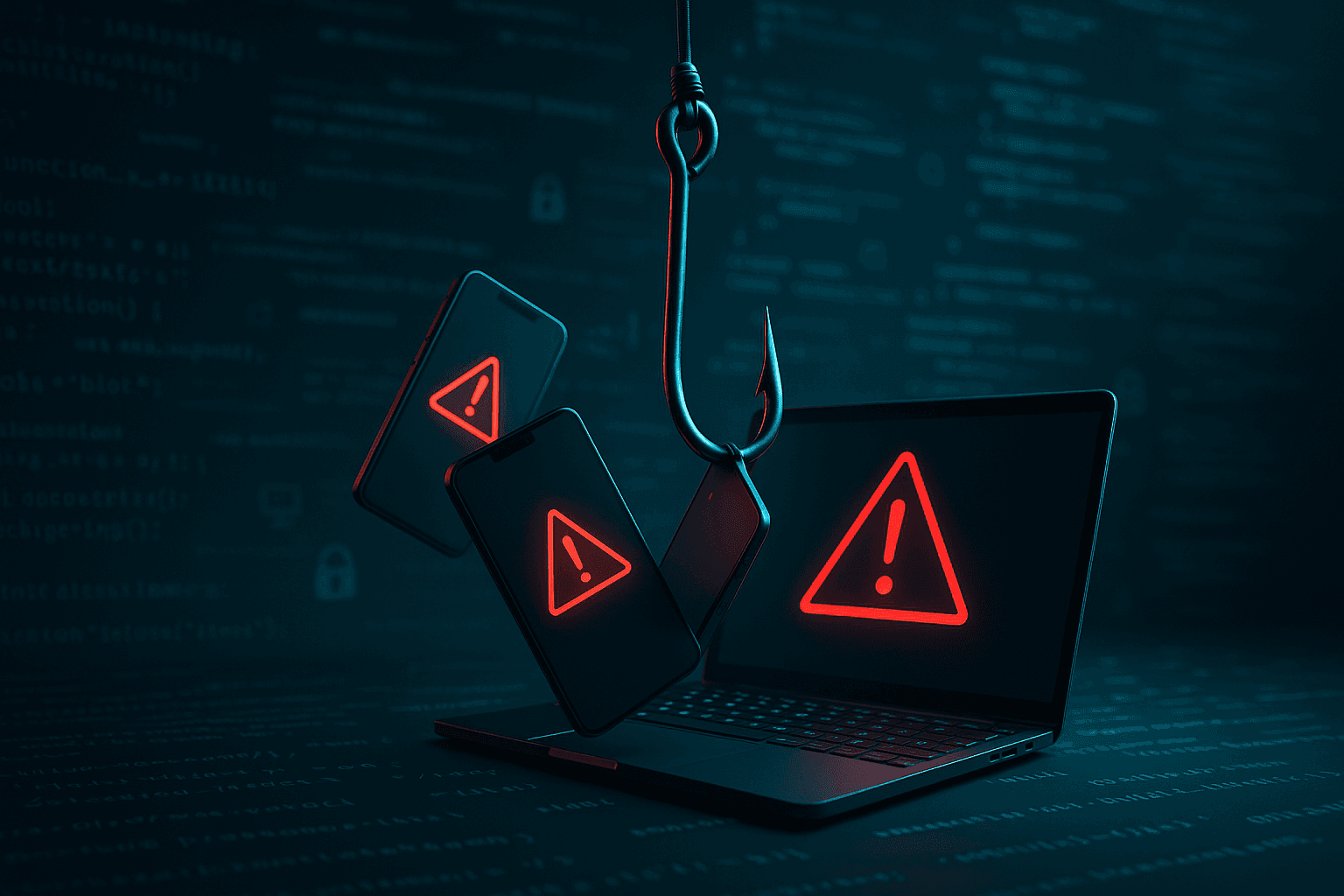
Adaptive phishing campaigns have emerged as a sophisticated threat, leveraging user-agent data to tailor attacks to the victim's specific device and operating system. This increases the likelihood of a successful compromise, presenting a significant risk to organizations. By understanding the techniques used and implementing robust security measures, businesses can mitigate the threat and protect sensitive data.
Introduction: Understanding the Threat
In the ever-evolving landscape of cybersecurity threats, phishing campaigns have become increasingly sophisticated. Today, attackers are deploying adaptive phishing techniques that customize their payloads based on the target's device and operating system. This precision targeting not only increases the success rate of these campaigns but also underscores the necessity for organizations to stay vigilant and adaptable in their security measures.
Historically, phishing attacks have been a prevalent method for cybercriminals to trick individuals into divulging sensitive information. However, with the advent of adaptive phishing, these attacks have reached a new level of effectiveness by exploiting the unique vulnerabilities of different devices and operating systems.
The Threat Landscape: Current State of Affairs
The cybersecurity landscape is constantly shifting, with phishing attacks remaining a dominant threat vector. According to industry statistics, phishing campaigns account for a significant portion of data breaches globally, with recent reports highlighting a steady increase in the sophistication and frequency of these attacks.
Adaptive phishing campaigns are a reflection of this trend, demonstrating how attackers are refining their techniques to bypass traditional security measures. By leveraging user-agent data, cybercriminals can deliver OS-specific payloads, making it more challenging for organizations to detect and combat these threats effectively.
Recent incidents have shown a marked increase in the use of adaptive phishing techniques, with attackers targeting a wide range of sectors, from finance to healthcare, and exploiting the vulnerabilities of both mobile and desktop platforms.
Technical Deep Dive: How the Attack Works
Adaptive phishing campaigns involve a multi-step process that begins with the collection of user-agent data. This data provides attackers with detailed information about the target's device, including the operating system, browser type, and version. Armed with this information, attackers can craft payloads that are specifically designed to exploit vulnerabilities inherent to the target's platform.
The primary attack vector involves the use of emails or malicious websites that appear legitimate. Once a user interacts with the phishing lure, the attacker's server dynamically generates a payload tailored to the user's device. This can include malware designed to exploit specific OS vulnerabilities or scripts that execute particular commands.
Technical indicators of compromise (IOCs) for these attacks often include unusual network traffic patterns, unexpected OS-specific processes, and unauthorized access attempts. In some cases, attackers may use known vulnerabilities, identified by CVE numbers, to enhance their chances of success.
Impact Assessment: Who Is Affected and How
The impact of adaptive phishing campaigns is far-reaching, affecting a diverse range of industries and sectors. Financial institutions, healthcare providers, and corporate entities are particularly vulnerable, given the sensitive nature of the data they handle. Successful compromises can lead to significant financial losses, reputational damage, and regulatory penalties.
Data breaches resulting from these attacks can have severe implications, including the exposure of personal information, intellectual property, and proprietary business data. Organizations may face hefty fines and legal challenges if they fail to comply with data protection regulations like GDPR or HIPAA.
Real-World Case Studies
One notable example of an adaptive phishing attack involved a major financial institution that suffered a data breach due to a tailored phishing campaign. The attackers used user-agent data to deliver malware specifically designed to exploit vulnerabilities in the bank's mobile app, resulting in the theft of customer credentials and substantial financial losses.
Mitigation Strategies: Protecting Your Organization
Organizations must adopt a multi-layered approach to mitigate the threat of adaptive phishing campaigns. Immediate actions include educating employees about the latest phishing techniques and implementing advanced email filtering solutions to block malicious messages before they reach users.
Short-term measures should focus on enhancing endpoint security by deploying solutions that can detect and prevent OS-specific payloads. Regularly updating software and systems to patch known vulnerabilities is also crucial.
For long-term protection, organizations should invest in threat intelligence solutions that provide real-time insights into emerging phishing trends. Implementing a zero-trust architecture can further safeguard critical assets by requiring strict authentication and authorization for all users and devices.
Detection and Response
Detecting adaptive phishing campaigns requires a keen eye for anomalies in network traffic and system behavior. Security teams should monitor for unusual login attempts, unexpected changes in device configurations, and discrepancies in user-agent data.
Incident response procedures should be well-defined and regularly tested to ensure quick containment of any breaches. Forensic analysis can help identify the attack vectors used and guide future prevention efforts.
Expert Insights: Industry Perspective
Industry experts anticipate that adaptive phishing techniques will continue to evolve, driven by advancements in machine learning and artificial intelligence. As attackers become more adept at targeting specific devices, security teams must stay ahead by leveraging predictive analytics and AI-driven threat detection solutions.
The future of cybersecurity will likely see an increased emphasis on proactive threat hunting and the integration of AI technologies to preemptively identify and neutralize threats before they can cause harm.
Conclusion: Key Takeaways
Adaptive phishing campaigns present a formidable challenge to organizations, requiring a proactive and comprehensive approach to security. By understanding the tactics used by attackers and implementing robust mitigation strategies, businesses can protect themselves from these evolving threats.
- Adaptive phishing targets specific devices and operating systems, increasing attack success rates.
- Organizations must educate employees and implement advanced email filtering solutions.
- Regularly updating software and systems is crucial for mitigating vulnerabilities.
- Investing in threat intelligence and zero-trust architectures can enhance security.
- Proactive threat hunting and AI-driven solutions are key to future-proofing defenses.
Discussion
Share Your Thoughts
Loading comments...
Stay Updated
Subscribe to our newsletter for the latest cybersecurity insights, threat intelligence, and security best practices.