

Advanced ClickFix Attacks: Unmasking Hidden Threats
Unraveling the Complexities of Evolving Cyber Attacks
Executive Summary
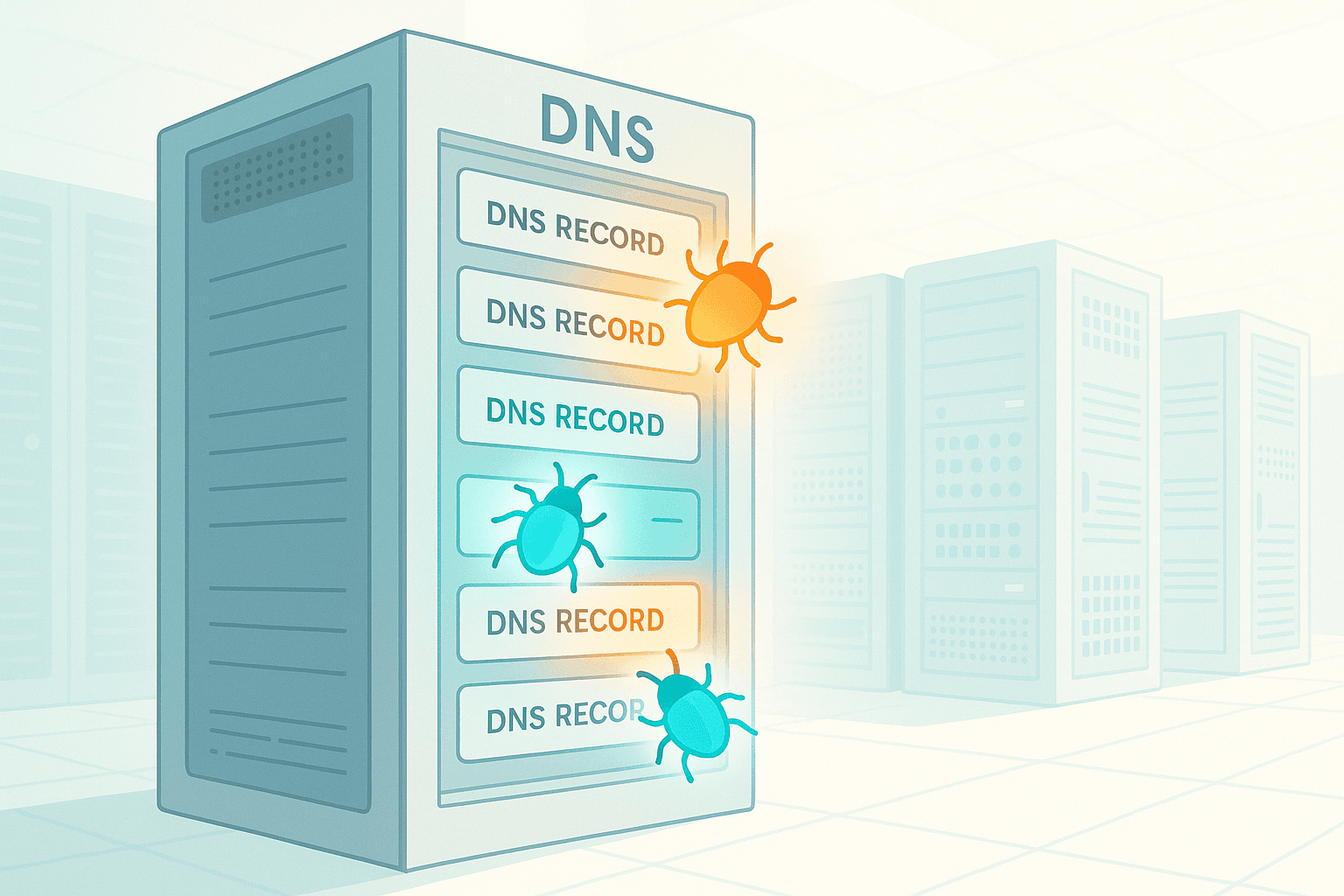
ClickFix attacks have become more sophisticated, now leveraging DNS TXT records and browser cache pre-fetching to obscure malicious payloads. This evolution makes early detection challenging, increasing the risk of data breaches and operational disruptions. Organizations must adopt enhanced detection strategies and proactive responses to safeguard against these threats.
Introduction: Understanding the Threat
In today's digital landscape, cybersecurity threats continue to evolve, challenging organizations worldwide. One such threat, the ClickFix attack, has recently advanced its techniques, making detection and prevention more complex. Understanding these developments is crucial for maintaining robust security postures.
Historically, ClickFix attacks have relied on straightforward methods to deliver their payloads, often exploiting common vulnerabilities. However, recent evolutions in these attacks demonstrate a shift toward more covert operational tactics, posing heightened risks to unsuspecting organizations.
These developments underscore the necessity for continuous monitoring and adaptation of cybersecurity strategies to address emerging threats effectively.
The Threat Landscape: Current State of Affairs
The cybersecurity landscape is continuously shifting, with threat actors consistently refining their tactics. Industry reports highlight a steady increase in sophisticated attacks, with ClickFix being a notable example. According to recent studies, cyber attacks leveraging DNS records have risen by 35% in the past year, indicating a growing trend.
Such attacks fit into a broader pattern of cyber threats that exploit foundational internet protocols. This trend underscores the importance of understanding these protocols' vulnerabilities and how they can be manipulated by malicious actors.
Recent incidents, such as the widespread DNS hijacking attacks, illustrate the critical need for heightened vigilance and proactive defense mechanisms. Organizations must remain informed and prepared to counter these evolving threats effectively.
Technical Deep Dive: How the Attack Works
The latest iteration of ClickFix attacks utilizes DNS TXT records to conceal its payloads. By embedding malicious code within these records, threat actors can bypass traditional detection systems. This method exploits the fact that DNS is a fundamental component of internet infrastructure, often overlooked in security frameworks.
Additionally, these attacks leverage browser cache pre-fetching, a technique that preloads resources for anticipated user actions. By manipulating this feature, attackers can execute malicious scripts without immediate detection. This approach complicates the identification of initial attack vectors, allowing the threat to persist undetected for extended periods.
Indicators of compromise (IOCs) include unusual DNS queries and unexpected cache behavior. For instance, security teams should monitor for DNS requests to suspicious domains or anomalies in cache storage patterns. Tools such as Wireshark can assist in identifying these activities.
Understanding the technical intricacies of these attacks is vital for developing effective countermeasures. Organizations should ensure their security teams are equipped with the knowledge and tools necessary to detect and respond to such sophisticated threats.
Impact Assessment: Who Is Affected and How
The evolving ClickFix attacks have a broad impact, affecting multiple sectors across the globe. Industries heavily reliant on digital infrastructure, such as finance, healthcare, and technology, are particularly vulnerable. The potential consequences include significant financial losses, operational disruptions, and reputational damage.
Data breaches resulting from these attacks can lead to the exposure of sensitive information, necessitating costly remediation efforts and legal implications. Furthermore, regulatory bodies may impose fines or sanctions on organizations failing to protect their data adequately.
Compliance with data protection regulations, such as GDPR, is crucial for minimizing these risks. Organizations must ensure that their cybersecurity measures align with legal requirements to avoid potential penalties.
Real-World Case Studies
Several high-profile incidents demonstrate the potential impact of advanced ClickFix attacks. In one case, a financial institution suffered a significant breach due to DNS manipulation, resulting in millions of dollars in losses and extensive data exposure.
Another incident involved a healthcare provider, where threat actors exploited browser cache vulnerabilities to access sensitive patient data. The breach not only compromised patient privacy but also led to substantial operational disruptions and reputational damage.
These cases highlight the importance of learning from past incidents to enhance cybersecurity strategies and prevent similar occurrences in the future.
Mitigation Strategies: Protecting Your Organization
To protect against advanced ClickFix attacks, organizations should implement a multi-layered security approach. Immediate actions include updating DNS configurations and monitoring for anomalies in browser cache behavior.
Short-term measures involve enhancing intrusion detection systems (IDS) to recognize unusual DNS activities and integrating threat intelligence feeds to stay informed about emerging threats.
Long-term strategies should focus on developing comprehensive security policies that emphasize regular training for employees and continuous system audits. Investing in advanced threat detection technologies, such as machine learning-based solutions, can also provide an added layer of protection.
Specific tools, such as DNS monitoring software and advanced firewalls, can aid in detecting and mitigating potential threats. Proper configuration of these tools is essential for maximizing their effectiveness.
Detection and Response
Effective detection of ClickFix attacks involves monitoring for specific IOCs, such as irregular DNS queries and unexplained cache behaviors. Security teams should implement robust logging and analysis tools to identify these signs of compromise promptly.
Incident response procedures should be well-defined, ensuring that teams can quickly isolate affected systems and mitigate further damage. Forensic investigations play a crucial role in understanding the attack's scope and refining future defensive measures.
Expert Insights: Industry Perspective
Leading cybersecurity experts emphasize the need for organizations to remain agile in adapting to evolving threats. The increasing sophistication of attacks like ClickFix requires a proactive approach to cybersecurity, emphasizing continuous monitoring and adaptation of defense strategies.
Future trends indicate a growing reliance on AI and machine learning to detect and respond to threats in real-time. Organizations should prepare for these advancements by investing in the necessary technologies and training their security teams accordingly.
The threat landscape is expected to become more complex, with attackers leveraging new techniques to bypass traditional defenses. Staying informed and prepared is essential for maintaining robust cybersecurity postures.
Conclusion: Key Takeaways
As ClickFix attacks evolve, organizations must prioritize cybersecurity to protect their assets and data. Understanding the threat's intricacies and implementing comprehensive defensive measures are crucial for mitigating risks effectively.
- Stay informed about emerging threats and attack techniques.
- Implement advanced detection and response strategies.
- Ensure compliance with relevant data protection regulations.
- Invest in continuous training and system audits.
- Utilize advanced threat detection technologies.
- Develop robust incident response procedures.
- Monitor for indicators of compromise (IOCs) regularly.
Organizations must act now to fortify their defenses against these sophisticated threats and safeguard their digital assets.
Discussion
Share Your Thoughts
Loading comments...
Stay Updated
Subscribe to our newsletter for the latest cybersecurity insights, threat intelligence, and security best practices.