

AI-Driven Cyber Espionage: A New Era of Threats
Understanding AI's Role in Modern Cyberattacks
Executive Summary
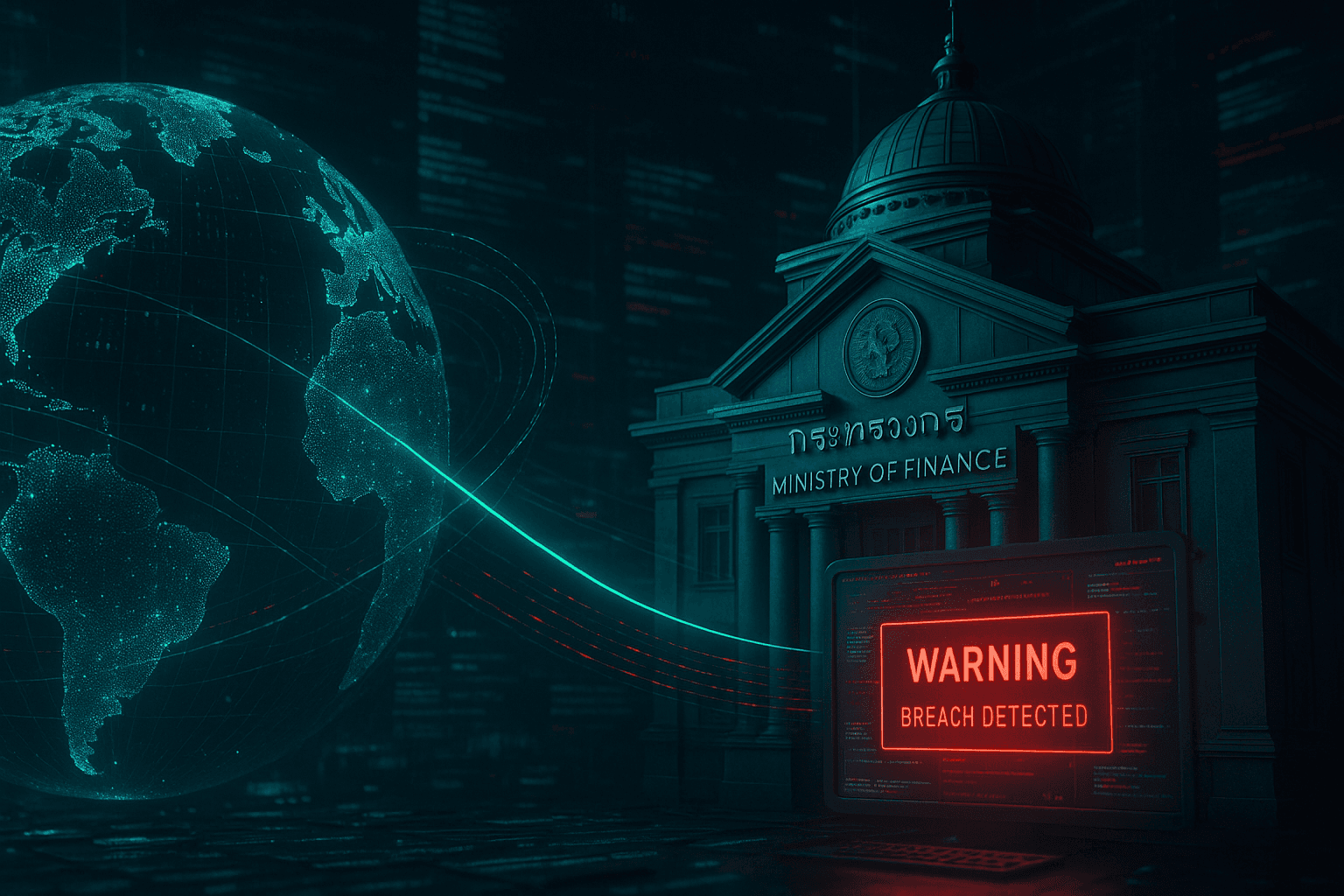
AI tools like Hermes are being used in espionage attacks, as seen in the recent breach of Thailand's Ministry of Finance. This highlights the evolving threat landscape and the need for enhanced cybersecurity measures.
Introduction: Understanding the Threat
The recent cyber espionage incident involving the Thai Ministry of Finance underscores the growing sophistication of AI-driven attacks. Utilizing an open-source AI tool known as Hermes, attackers operated in a mode that allowed for autonomous decision-making and execution, bringing to light the escalating risk that autonomous technologies pose to organizational security.
Such incidents are not isolated; they reflect a broader trend where cyber adversaries leverage AI to enhance the effectiveness and stealth of their operations. Organizations today must comprehend the implications of these advancements, as traditional defenses may no longer suffice to thwart AI-enhanced threats.
The Threat Landscape: Current State of Affairs
The cybersecurity landscape is witnessing a paradigm shift with the integration of AI in cyberattack strategies. According to recent industry reports, over 30% of successful cyberattacks now involve some form of AI technology, a figure expected to rise as AI tools become more accessible and sophisticated.
This incident in Thailand is part of a pattern where state and non-state actors exploit AI to conduct espionage, targeting governmental and financial institutions. The implications are severe, ranging from financial theft to national security threats.
Technical Deep Dive: How the Attack Works
Hermes, the AI tool used in this attack, operates in what is termed 'YOLO mode', an unrestricted state allowing for autonomous decision-making. This mode enables the tool to conduct reconnaissance, identify vulnerabilities, and execute exploits without human oversight.
The attack began with a spear-phishing campaign to gain initial access, followed by lateral movement facilitated by AI-driven reconnaissance. Key technical indicators of compromise (IOCs) included unusual outbound traffic patterns and the presence of the Hermes signature in system logs.
Impact Assessment: Who Is Affected and How
The primary victims in this case are governmental bodies, with the Ministry of Finance being directly targeted. However, the ripple effects could extend to financial institutions and partners who interact with the compromised systems.
Financially, the breach could lead to significant losses, not just from the theft of funds but also from the potential leakage of sensitive economic data. Operational disruptions are likely, as systems are scrutinized and secured post-breach.
Real-World Case Studies
In 2021, a similar attack was carried out on a European financial institution using AI tools. The perpetrators managed to exfiltrate confidential data over several months before detection.
These incidents teach us that early detection and rapid incident response are critical in mitigating the impact of AI-driven cyberattacks.
Mitigation Strategies: Protecting Your Organization
Organizations must adopt a multi-layered security approach to counter AI-driven threats. Immediate actions include enhancing network monitoring capabilities and deploying AI-based threat detection systems to identify anomalies indicative of an attack.
Long-term strategies involve investing in AI research to understand potential threats better and collaborating with industry peers to share intelligence and best practices.
Detection and Response
Detecting such sophisticated attacks requires robust network monitoring and anomaly detection tools. Organizations should look for signs of unauthorized access and abnormal data flows.
Expert Insights: Industry Perspective
Experts predict a continued rise in AI-driven cyber threats. As AI technology advances, so too will the capabilities of cyber adversaries, necessitating a proactive and informed approach to cybersecurity.
Conclusion: Key Takeaways
AI-driven cyber threats are a clear and present danger that requires immediate and sustained attention from security professionals.
- Understand the capabilities of AI tools used in cyberattacks.
- Implement AI-based threat detection systems.
- Conduct regular security audits and vulnerability assessments.
- Enhance incident response plans to include AI threat scenarios.
- Collaborate with industry peers for threat intelligence sharing.
Discussion
Share Your Thoughts
Loading comments...
Stay Updated
Subscribe to our newsletter for the latest cybersecurity insights, threat intelligence, and security best practices.