

AI in Cybersecurity: Boon or Bane?
Navigating the Dual-Edged Sword of Artificial Intelligence
Executive Summary
Artificial Intelligence (AI) presents a transformative force in cybersecurity, offering both unprecedented opportunities and significant risks. Organizations must strategically employ AI while implementing robust safeguards to mitigate associated threats. This article provides an in-depth analysis of the current AI threat landscape, technical mechanisms, and strategic recommendations for cybersecurity professionals.
Introduction: Understanding the Threat
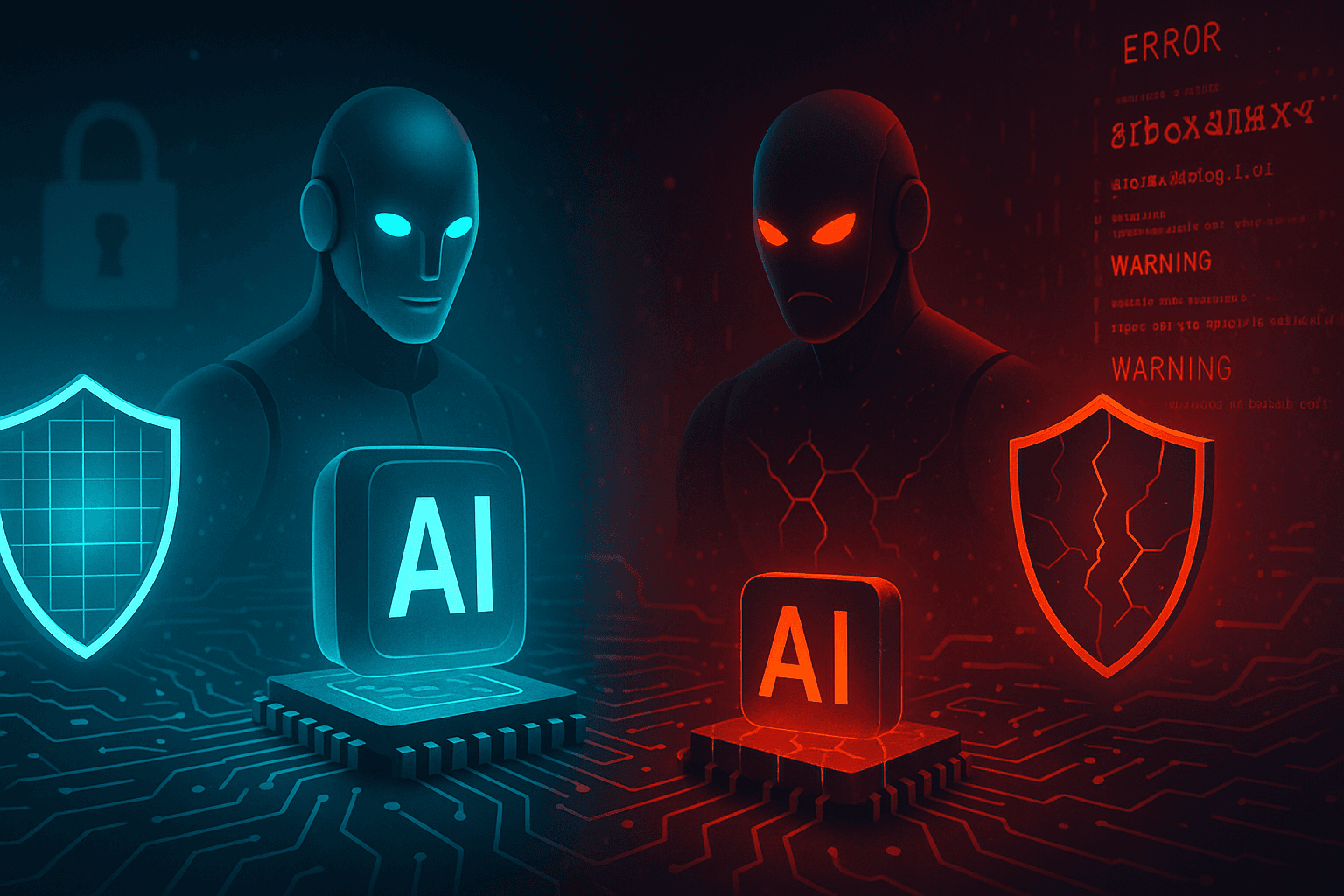
In the rapidly evolving landscape of cybersecurity, Artificial Intelligence (AI) emerges as both a savior and a potential adversary. Its dual nature leaves many cybersecurity professionals in a quandary—how to harness AI's power for defense while protecting against its misuse. The dichotomy is not new; historically, technological advancements have always carried both promise and peril.
For organizations today, AI is integral to automating threat detection, improving response times, and predicting potential vulnerabilities. However, its misuse can lead to sophisticated threats that bypass traditional security measures. Understanding this duality is crucial for any organization aiming to protect its digital assets.
The Threat Landscape: Current State of Affairs
The current cybersecurity landscape is marked by an increasing reliance on AI technologies. According to recent studies, over 60% of organizations have integrated AI into their security protocols, leveraging it for tasks ranging from anomaly detection to real-time threat intelligence. However, this widespread adoption also presents new challenges.
Cybercriminals are equally leveraging AI to develop advanced malware and orchestrate complex attacks. For instance, AI-driven phishing attacks have become more sophisticated, using machine learning to tailor messages that are more likely to deceive victims. This dual use of AI not only complicates defense strategies but also necessitates a reevaluation of existing security frameworks.
Recent incidents illustrate the potential consequences of AI misuse. In 2022, a major financial institution fell victim to a deepfake audio scam, resulting in significant financial losses. Such incidents underscore the urgent need for comprehensive AI governance and risk management strategies.
Technical Deep Dive: How the Attack Works
AI-driven cyber attacks exploit machine learning algorithms to automate and enhance traditional attack vectors. For example, AI can be used to generate adaptive malware that evolves to evade conventional detection techniques. These attacks often utilize reinforcement learning to optimize their effectiveness over time.
One common methodology involves the use of generative adversarial networks (GANs) to create realistic phishing emails that bypass standard filters. Attackers train these models on vast datasets to mimic legitimate communication patterns, increasing the likelihood of successful infiltration.
Technical indicators of compromise (IOCs) for AI-driven attacks include unusual network traffic patterns, anomalous user behaviors, and unexpected changes in system performance. Organizations must employ advanced network monitoring tools capable of identifying these subtle signs.
Impact Assessment: Who Is Affected and How
The impact of AI-driven cyber attacks extends across multiple sectors, with finance, healthcare, and critical infrastructure being particularly vulnerable. The financial sector faces risks such as identity theft and unauthorized transactions, while healthcare institutions risk compromising sensitive patient data.
Operational disruptions are a common consequence, as AI-powered attacks can cripple essential services by targeting critical systems. For instance, an attack on a power grid could lead to widespread outages, affecting millions of people.
Regulatory and compliance considerations are also paramount. Organizations must ensure adherence to data protection laws, such as GDPR, which mandate stringent measures to safeguard personal information against AI-related threats.
Real-World Case Studies
In 2021, a global telecommunications company experienced a significant breach involving AI-generated spear-phishing emails. The attackers successfully infiltrated the company's network, resulting in the exposure of sensitive customer data. This incident highlighted the need for enhanced email security protocols and employee training programs.
Another notable case involved a healthcare provider targeted by a ransomware attack utilizing AI to bypass detection mechanisms. The attack encrypted critical medical records, disrupting patient care and leading to substantial financial losses. The organization responded by implementing advanced AI-based threat detection systems and improving its incident response strategy.
Mitigation Strategies: Protecting Your Organization
Organizations must adopt a multi-layered approach to mitigate AI-related threats effectively. Immediate actions include conducting comprehensive risk assessments to identify potential vulnerabilities and implementing robust access controls to limit exposure.
Short-term measures involve deploying AI-driven security tools that leverage machine learning for real-time threat detection and response. These tools can identify anomalies that indicate potential breaches, allowing for swift intervention.
Long-term strategic improvements focus on fostering a culture of security awareness, where employees are trained to recognize and respond to AI-driven threats. Additionally, investing in research and development to stay ahead of emerging AI technologies is crucial for maintaining a competitive edge in cybersecurity.
Specific tools and technologies to consider include advanced endpoint detection and response (EDR) systems, which provide visibility into endpoint activity, and behavioral analytics solutions that monitor user interactions for signs of compromise.
Detection and Response
Effective detection and response strategies are critical in mitigating the impact of AI-driven cyber attacks. Organizations should implement continuous monitoring solutions that provide real-time insights into network activity and user behavior.
Signs of compromise to watch for include unexpected changes in system performance, unauthorized access attempts, and anomalies in data flow patterns. Incident response procedures must be well-documented and regularly tested to ensure prompt and effective remediation.
Forensic considerations are also essential, as understanding the attack's origin and methodology can aid in preventing future incidents. Employing digital forensics tools and techniques enables organizations to gather and analyze evidence, facilitating the identification of threat actors and their tactics.
Expert Insights: Industry Perspective
Industry experts predict that AI will continue to play a pivotal role in shaping the future of cybersecurity. As AI technologies advance, organizations must remain vigilant, adapting their security strategies to address evolving threats.
The threat landscape is expected to become more complex, with AI being used to automate more sophisticated attacks. Security teams should prepare for this shift by investing in AI-driven defense mechanisms and fostering collaboration with industry peers to share knowledge and best practices.
Ultimately, the key to navigating the challenges posed by AI lies in balancing innovation with risk management. By staying informed and proactive, organizations can harness AI's potential while safeguarding their digital assets.
Conclusion: Key Takeaways
The dual nature of AI in cybersecurity presents both opportunities and challenges for organizations. By adopting a proactive approach and implementing robust security measures, organizations can effectively mitigate AI-related threats.
- Adopt AI-driven security tools for real-time threat detection and response.
- Conduct regular risk assessments and update security protocols accordingly.
- Foster a culture of security awareness among employees.
- Invest in continuous research and development to stay ahead of emerging threats.
- Collaborate with industry partners to share insights and best practices.
- Implement comprehensive incident response and forensic analysis procedures.
As AI continues to evolve, organizations must remain adaptable, leveraging its potential for defense while safeguarding against its misuse.
Discussion
Share Your Thoughts
Loading comments...
Stay Updated
Subscribe to our newsletter for the latest cybersecurity insights, threat intelligence, and security best practices.