

Breaking into iPhones: Russia's Strategic Use of Cellebrite
Understanding the implications of unauthorized forensic access
Executive Summary
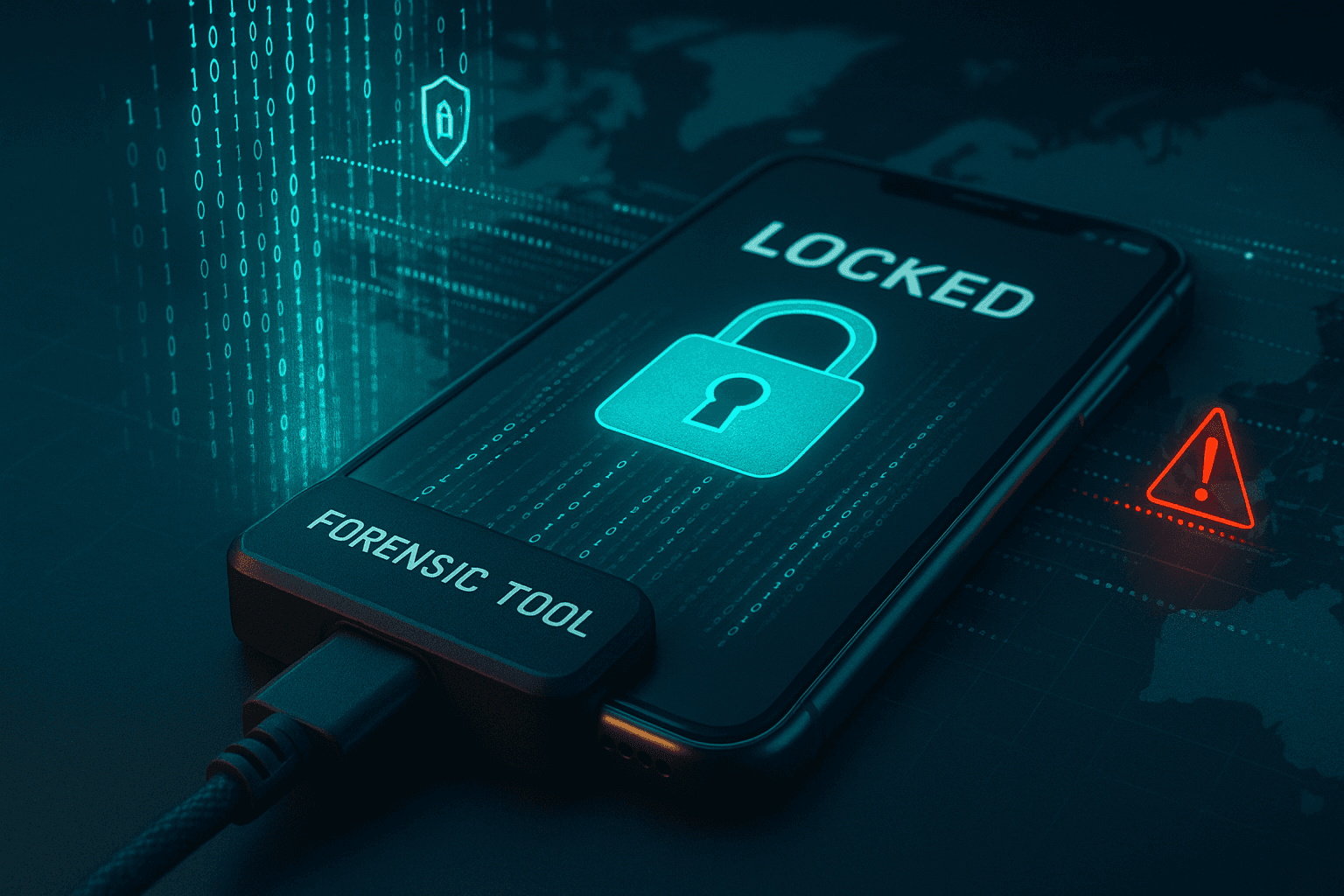
Russian authorities leveraged Cellebrite's UFED forensic tools to access the iPhone of activist Andrey Pivovarov months after sales to Russia were halted. This breach underscores the persistent threat of unauthorized data access and the urgent need for organizations to bolster security protocols and ensure compliance with international regulations.
Introduction: Understanding the Threat
The digital landscape is perpetually evolving, bringing with it new challenges for organizations worldwide. One significant threat that has gained attention is the unauthorized access to mobile devices using forensic tools, as exemplified by the recent incident involving Russian authorities and the iPhone of political activist Andrey Pivovarov. This case highlights the vulnerabilities inherent in smart devices and the potential for misuse by state actors. Organizations must recognize these threats and implement comprehensive security strategies to protect sensitive information.
The use of forensic tools like Cellebrite's UFED (Universal Forensic Extraction Device) to access locked devices is not new. However, the implications of such access when used by state actors against political dissidents or unauthorized entities present a unique challenge. This incident is a stark reminder of the importance of securing personal and organizational data against unauthorized intrusion.
The Threat Landscape: Current State of Affairs
In today's interconnected world, the threat landscape is as complex as it is dynamic. The use of forensic tools to access mobile devices is a growing concern, particularly when these tools fall into the hands of actors with nefarious intent. Industry reports indicate a significant increase in the deployment of such tools by unauthorized entities, often resulting in breaches of privacy and confidentiality.
According to a recent survey, the global market for digital forensic technology is projected to reach $8.3 billion by 2025, indicating an increased reliance on these tools for legitimate purposes. However, the misuse of these tools poses a significant threat to privacy and data security. Incidents similar to the Russian case have been reported globally, with state and non-state actors leveraging forensic technology to gain unauthorized access to sensitive data.
Technical Deep Dive: How the Attack Works
Cellebrite's UFED is designed to extract data from locked mobile devices, including iPhones, by bypassing security protocols. This involves connecting the device to the UFED system, which then exploits vulnerabilities within the device's operating system to access stored data. The process is highly technical, requiring specialized knowledge and equipment.
Once connected, the UFED system utilizes a combination of software and hardware techniques to bypass encryption and other security measures. This may involve exploiting known vulnerabilities (CVE identifiers) or employing brute force methods to unlock the device. The extracted data is then analyzed using advanced forensic software, allowing for the reconstruction of user activities and retrieval of sensitive information.
Impact Assessment: Who Is Affected and How
The unauthorized use of forensic tools like Cellebrite has far-reaching implications for individuals and organizations alike. Industries particularly at risk include telecommunications, legal, and human rights sectors, where sensitive data is frequently handled. For individuals, the breach of personal devices can lead to exposure of private information, identity theft, and reputational damage.
For organizations, the consequences are equally severe, with potential financial losses, operational disruptions, and reputational harm. Data breaches resulting from unauthorized access can also lead to legal and regulatory repercussions, particularly in jurisdictions with stringent data protection laws such as GDPR in Europe.
Real-World Case Studies
Similar incidents have occurred globally, illustrating the widespread nature of the threat. In 2019, reports emerged of law enforcement agencies in the United States using forensic tools to access locked devices in criminal investigations, raising concerns about privacy and civil liberties. These cases highlight the delicate balance between security and privacy, and the potential for misuse of powerful forensic technologies.
Mitigation Strategies: Protecting Your Organization
Organizations must adopt a multi-layered approach to security to mitigate the risks associated with unauthorized forensic access. Immediate actions include enhancing mobile device management (MDM) protocols, ensuring all devices are updated with the latest security patches, and implementing strong encryption standards.
In the short term, deploying endpoint detection and response (EDR) solutions can help identify and mitigate potential intrusions. Long-term strategies should focus on fostering a culture of security awareness, investing in advanced threat intelligence platforms, and regularly auditing security practices to ensure compliance with industry standards.
Detection and Response
Effective detection and response strategies are crucial in identifying and mitigating threats early. Organizations should monitor for signs of compromise, such as unusual device behavior or unauthorized access attempts. Implementing robust incident response protocols can help contain and resolve security breaches swiftly.
Expert Insights: Industry Perspective
Industry experts warn that the threat landscape will continue to evolve, with state and non-state actors increasingly targeting mobile devices for unauthorized access. Future predictions suggest a rise in the sophistication of forensic tools, necessitating advancements in security measures to counteract these threats effectively.
Conclusion: Key Takeaways
In conclusion, the unauthorized use of forensic tools presents a significant threat to data security. Organizations must prioritize the implementation of robust security measures and remain vigilant against evolving threats.
- Enhance mobile device management protocols.
- Implement strong encryption standards.
- Invest in advanced threat intelligence platforms.
- Conduct regular security audits for compliance.
- Monitor for signs of compromise and respond swiftly.
Discussion
Share Your Thoughts
Loading comments...
Stay Updated
Subscribe to our newsletter for the latest cybersecurity insights, threat intelligence, and security best practices.