

China-Linked APT Expands ORB Network with New Malware
Understanding the Threat of UAT-7810 and LONGLEASH
Executive Summary
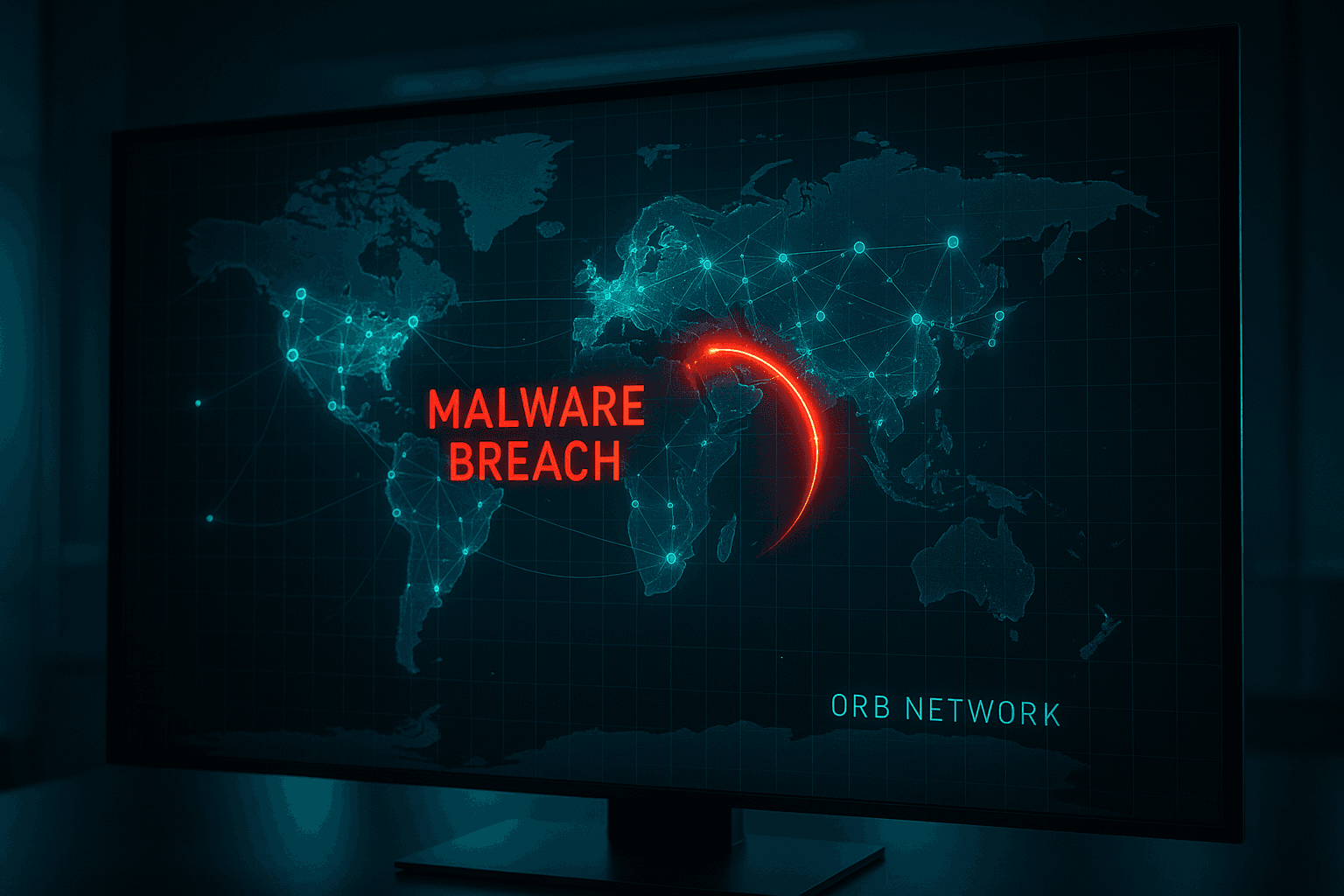
The Chinese APT group UAT-7810 has recently intensified its cyber operations by deploying a novel malware, LONGLEASH, to expand its ORB network. This strategic enhancement targets internet-facing networking devices, posing a severe risk to global cybersecurity. Organizations must prioritize immediate threat detection and implement robust defenses to safeguard their infrastructures.
Introduction: Understanding the Threat
In today's interconnected world, cybersecurity threats are escalating in both frequency and sophistication. One of the latest significant developments is the emergence of the LONGLEASH malware, deployed by the Chinese-linked APT group UAT-7810. This malware is designed to infiltrate and expand the Operational Relay Box (ORB) network, threatening various sectors by compromising internet-facing networking devices.
While cyber threats from state-sponsored actors are not new, the relentless evolution of attack strategies necessitates constant vigilance from organizations. UAT-7810's latest endeavor exemplifies the ongoing cyber arms race, where organizations must continuously adapt to defend against increasingly advanced threats.
Historically, APTs have targeted critical infrastructure, financial institutions, and government agencies, often resulting in substantial financial and reputational damage. The rise of sophisticated malware like LONGLEASH highlights the urgent need for comprehensive security strategies.
The Threat Landscape: Current State of Affairs
The global cybersecurity landscape is characterized by an ever-expanding array of threats, with APT groups like UAT-7810 leading the charge. According to industry reports, cyberattacks targeting networking devices have increased by 40% over the past year, with state-sponsored actors responsible for a significant portion.
In particular, APTs have become adept at using custom malware to achieve their strategic objectives. The introduction of LONGLEASH is a testament to this trend, as it demonstrates a targeted approach to compromising network infrastructure. This development aligns with a broader pattern of threats aimed at exploiting weak points in digital ecosystems.
Recent incidents, such as the SolarWinds attack, have underscored the potential impact of state-sponsored cyber operations. These attacks often exploit supply chain vulnerabilities, enabling threat actors to infiltrate networks undetected and cause widespread disruption.
Technical Deep Dive: How the Attack Works
LONGLEASH operates by leveraging vulnerabilities in internet-facing networking devices, enabling UAT-7810 to expand its ORB network. The malware employs a sophisticated command-and-control (C2) mechanism, allowing the threat actor to maintain persistent access to compromised systems.
The attack typically begins with reconnaissance, where the attackers identify vulnerable devices. Once a target is identified, they deploy LONGLEASH to establish a foothold within the network. The malware is capable of executing arbitrary commands, exfiltrating data, and deploying additional payloads to further entrench the attacker’s presence.
Technical indicators of compromise (IOCs) include unusual network traffic patterns, unexpected device reboots, and anomalous system processes. Security professionals should monitor for these signs to detect potential intrusions.
While specific CVEs associated with LONGLEASH have not been disclosed, organizations are advised to regularly update their systems and apply security patches to mitigate known vulnerabilities.
Impact Assessment: Who Is Affected and How
The deployment of LONGLEASH poses significant risks to multiple sectors, including telecommunications, finance, and government. The ability to compromise networking devices can lead to severe operational disruptions, data breaches, and financial losses.
Organizations relying on internet-facing infrastructure are particularly vulnerable, as these systems often serve as gateways to broader network environments. A successful breach could result in unauthorized access to sensitive data, undermining both security and compliance efforts.
In addition to financial and operational impacts, organizations must consider the regulatory implications of a data breach. Compliance with frameworks such as GDPR and PCI-DSS mandates the protection of personal and financial data, with substantial penalties for non-compliance.
Real-World Case Studies
Historical cyber incidents provide valuable insights into the potential consequences of APT attacks. For instance, the 2020 SolarWinds breach demonstrated the catastrophic impact of supply chain attacks, leading to widespread network compromise across multiple industries.
Similarly, the NotPetya ransomware attack in 2017 underscored the importance of robust cybersecurity measures. Originating as a state-sponsored operation, NotPetya resulted in billions of dollars in damages, affecting global shipping, logistics, and manufacturing sectors.
These cases emphasize the need for proactive threat intelligence and incident response capabilities to mitigate the risks posed by sophisticated threat actors like UAT-7810.
Mitigation Strategies: Protecting Your Organization
To defend against threats like LONGLEASH, organizations must adopt a multi-layered security approach. Immediate actions include implementing network segmentation, deploying intrusion detection systems (IDS), and conducting regular security audits.
Short-term measures should focus on enhancing endpoint security, ensuring devices are configured securely, and monitoring for unusual activity. Employing advanced threat intelligence platforms can provide early warning of potential attacks.
In the long term, organizations should invest in security awareness training for employees, emphasizing the importance of recognizing phishing attempts and other social engineering tactics. Regularly updating and patching systems is also crucial to reduce exposure to known vulnerabilities.
Specific tools such as firewalls, antivirus software, and Security Information and Event Management (SIEM) systems can play a vital role in detecting and responding to threats.
Detection and Response
Effective detection and response are key to mitigating the impact of cyber threats. Organizations should deploy comprehensive monitoring solutions to identify signs of compromise, such as unusual login attempts or data exfiltration activities.
Incident response procedures should be clearly defined and regularly tested to ensure quick and effective action in the event of a breach. This includes identifying the scope of the attack, containing the threat, and initiating recovery processes.
Forensic analysis is essential for understanding the attack vector and preventing future incidents. Security teams should document lessons learned and update their strategies accordingly.
Expert Insights: Industry Perspective
Industry experts agree that the threat landscape is becoming increasingly complex, with state-sponsored actors enhancing their capabilities. The deployment of bespoke malware like LONGLEASH highlights the need for continuous adaptation and innovation in cybersecurity defenses.
Future predictions suggest a rise in attacks targeting critical infrastructure and supply chains, as threat actors seek to exploit interdependencies within digital ecosystems. Organizations must prepare for these evolving threats by investing in advanced detection technologies and fostering a culture of security awareness.
Security teams should prioritize collaboration and information-sharing with industry peers to stay ahead of emerging threats and develop effective countermeasures.
Conclusion: Key Takeaways
In summary, the emergence of LONGLEASH and the expansion of the ORB network by UAT-7810 underscore the persistent threat posed by Chinese APT groups. Organizations must remain vigilant and proactive in their cybersecurity efforts to protect against these sophisticated attacks.
- Implement multi-layered security defenses to protect against advanced threats.
- Conduct regular security audits and vulnerability assessments.
- Invest in employee training to enhance security awareness.
- Deploy comprehensive monitoring solutions to detect signs of compromise.
- Regularly update and patch systems to mitigate known vulnerabilities.
Discussion
Share Your Thoughts
Loading comments...
Stay Updated
Subscribe to our newsletter for the latest cybersecurity insights, threat intelligence, and security best practices.