
Critical DNA File Tampering Vulnerability Patched by Thermo Fisher
Uncovering the Impact of Nearly Undetectable DNA Data Manipulation
Executive Summary
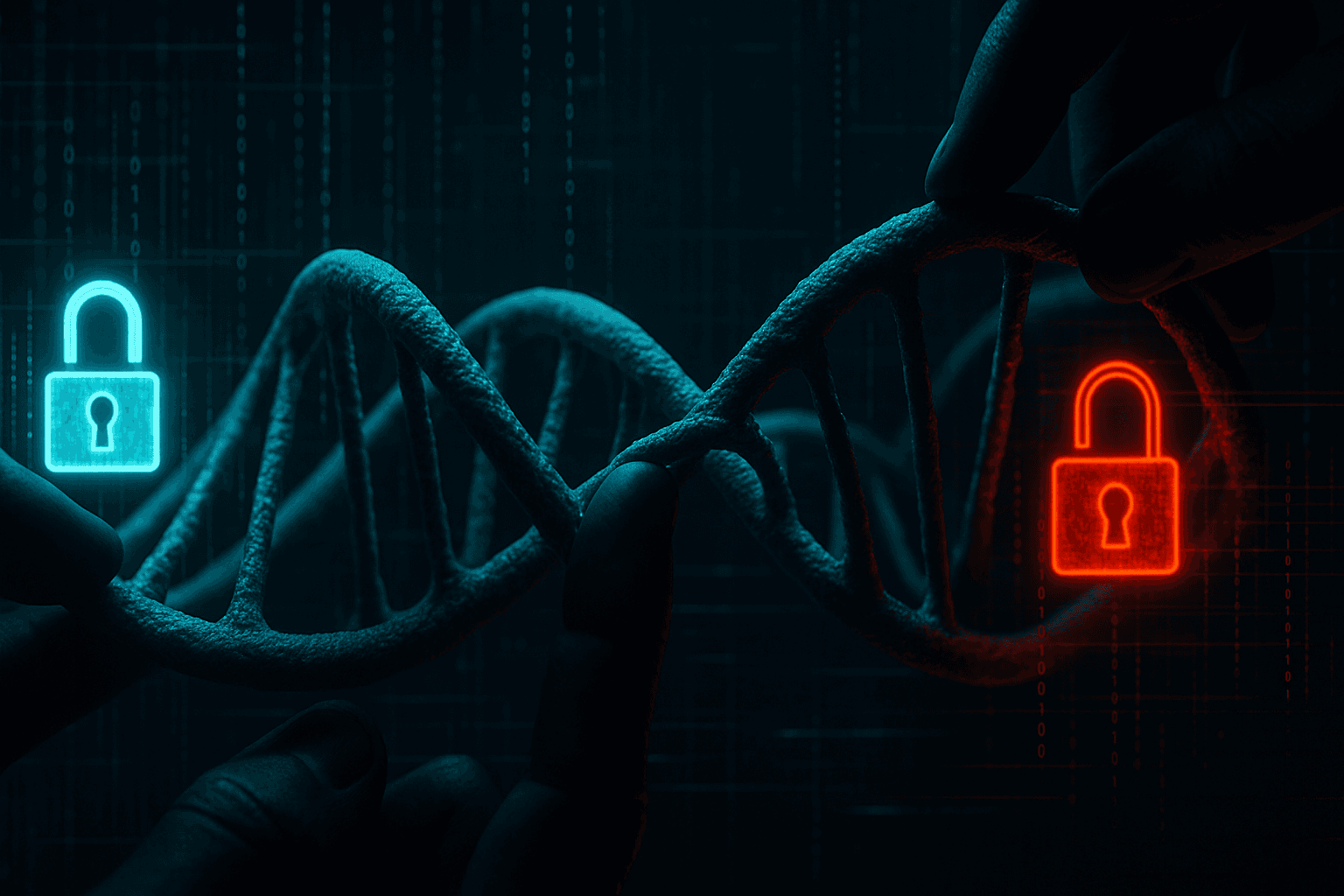
Thermo Fisher Scientific recently addressed a critical flaw in its Applied Biosystems human identification software, which could enable undetectable tampering of DNA data files. The issue was tracked as CVE-2026-17583. This vulnerability posed serious risks to data integrity in forensic and laboratory settings, demanding immediate software updates and enhanced security measures.
Introduction: Understanding the Threat
In an era where data integrity is paramount, a flaw in DNA analysis software can have far-reaching implications. Thermo Fisher's vulnerability highlights the potential for malicious actors to alter genetic data, affecting forensic investigations and medical diagnostics. With technology playing a crucial role in these fields, ensuring the authenticity and reliability of data is more important than ever.
Historically, the manipulation of scientific data has been a significant concern. Past incidents have shown that even small alterations to data files can lead to incorrect conclusions, impacting legal cases and public health decisions. Understanding and mitigating these threats is essential for any organization handling sensitive data.
The Threat Landscape: Current State of Affairs
The broader cybersecurity landscape has seen an increase in sophisticated attacks targeting data integrity. According to recent studies, 95% of organizations reported experiencing data breaches involving data manipulation. As cyber threats evolve, attackers are increasingly targeting the integrity of data rather than just its confidentiality or availability.
This trend is particularly concerning for sectors reliant on precise data, such as healthcare and forensic science. Recent incidents have shown how vulnerabilities in software used for data analysis can lead to significant disruptions and potentially catastrophic outcomes.
Technical Deep Dive: How the Attack Works
The vulnerability in Thermo Fisher's software allowed for the alteration of .fsa and .hid data files before they were loaded into analysis software. Attackers could exploit this flaw by bypassing laboratory controls, making changes that were almost imperceptible to end-users.
Technical indicators of compromise (IOCs) included unusual file modification timestamps and discrepancies in data file checksums. The vulnerability, tracked as CVE-2026-17583, highlighted the need for robust file integrity monitoring systems within organizations using this software.
Impact Assessment: Who Is Affected and How
The primary sectors affected by this vulnerability include forensic laboratories, medical research institutions, and any organization utilizing Thermo Fisher's Applied Biosystems software. The potential financial implications are significant, with the cost of data breaches involving manipulation estimated to be 20% higher than typical breaches.
From a regulatory standpoint, organizations must ensure compliance with data integrity standards and may face legal consequences if tampered data affects forensic cases or patient outcomes.
Real-World Case Studies
Previous incidents, such as the 2017 Equifax breach, demonstrated the severe impact of data integrity compromises. Lessons learned include the importance of regular software updates and rigorous data validation processes to detect and mitigate unauthorized alterations.
Mitigation Strategies: Protecting Your Organization
Organizations must prioritize immediate software updates to patch vulnerabilities like CVE-2026-17583. Implementing comprehensive file integrity monitoring and regular audits can help detect unauthorized data changes.
Long-term strategies include adopting advanced security frameworks, training staff on the importance of data integrity, and employing tools like checksum validation to ensure file authenticity.
Detection and Response
To effectively detect and respond to tampering, organizations should monitor for signs such as unexpected file modifications and anomalies in data analysis results. Establishing a robust incident response plan is crucial for timely mitigation and recovery.
Expert Insights: Industry Perspective
Experts predict an increase in attacks targeting data integrity as cybercriminals seek to exploit vulnerabilities in critical software. Security teams must stay informed about evolving threats and continuously adapt their strategies to defend against sophisticated attacks.
Conclusion: Key Takeaways
In summary, the Thermo Fisher vulnerability underscores the importance of maintaining data integrity in critical sectors. By taking proactive measures, organizations can safeguard their systems and ensure the reliability of their data.
- Update affected software immediately.
- Implement file integrity monitoring.
- Conduct regular security audits.
- Ensure compliance with data integrity standards.
- Prepare for evolving cybersecurity threats.
Discussion
Share Your Thoughts
Loading comments...
Stay Updated
Subscribe to our newsletter for the latest cybersecurity insights, threat intelligence, and security best practices.