

Critical Infrastructure Under Siege: Unraveling Web Server Exploits and Mimikatz Attacks
Safeguard your enterprise from advanced persistent threats
Executive Summary
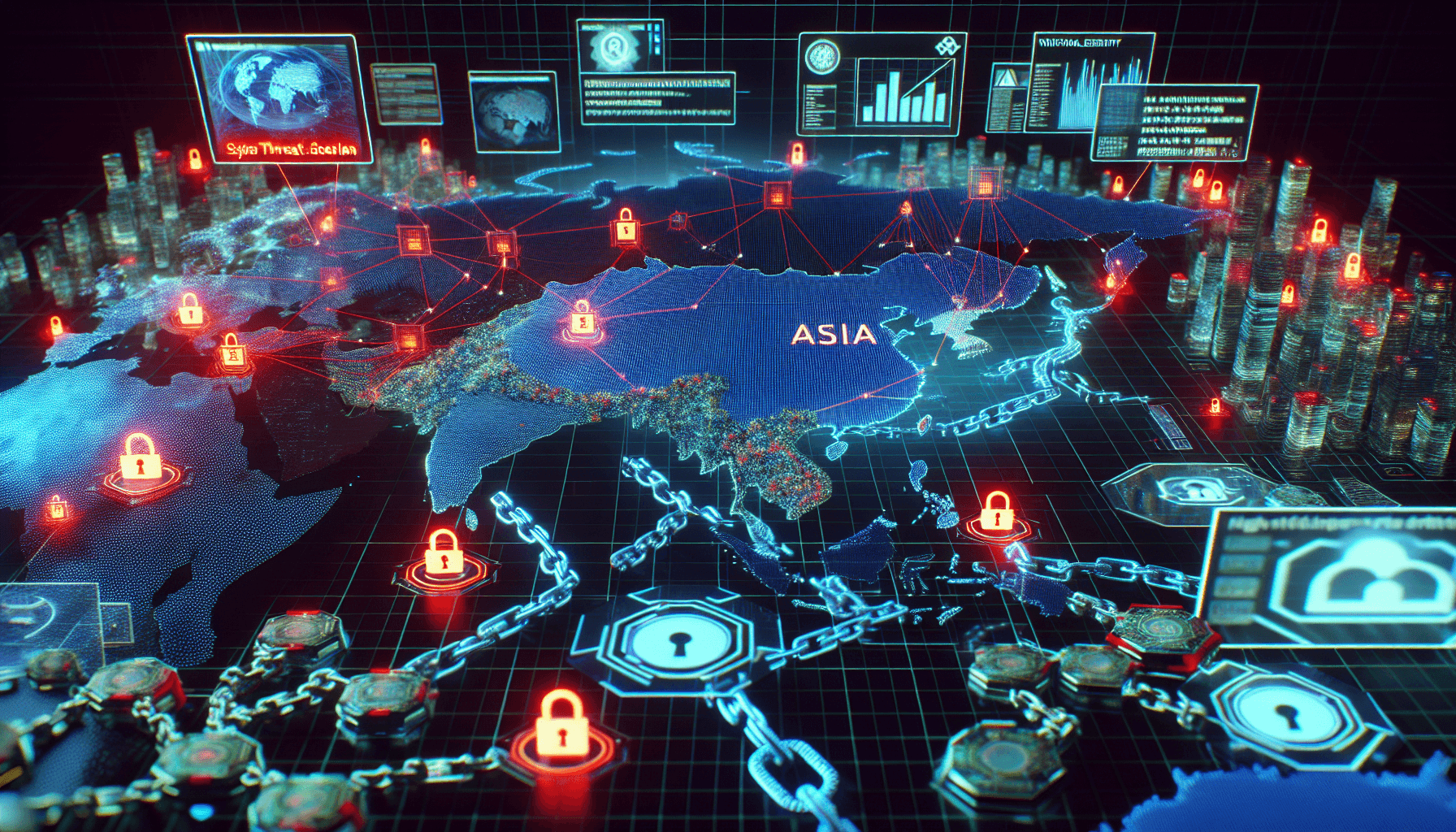
Chinese threat actors are employing web server exploits and Mimikatz to target critical infrastructure in Asia, affecting industries like aviation and energy. The impact is severe, threatening operational continuity and financial stability. Immediate implementation of comprehensive cybersecurity strategies is essential.
Introduction: Understanding the Threat
In today's interconnected world, the security of critical infrastructure is paramount. Recent attacks on high-value targets in Asia underscore the vulnerabilities that persist despite advancements in cybersecurity. This article delves into the intricate details of these sophisticated attacks, providing insights into their workings and implications.
Historically, critical infrastructure has been a prime target for nation-state actors due to its strategic importance. What sets the current wave of attacks apart is the use of previously undocumented methods, highlighting the evolving nature of cyber threats.
The Threat Landscape: Current State of Affairs
The cybersecurity landscape is constantly evolving, with threats becoming more sophisticated and targeted. According to recent industry reports, over 60% of critical infrastructure organizations have faced cyber threats in the past year. This trend indicates an urgent need for enhanced security measures.
The attacks targeting Asian infrastructure are not isolated incidents but part of a broader pattern of cyber aggression by nation-state actors. Similar attacks have been reported in other regions, underscoring the global nature of the threat.
Technical Deep Dive: How the Attack Works
These attacks primarily exploit vulnerabilities in web servers, using sophisticated techniques to gain unauthorized access. Once inside, attackers deploy Mimikatz to extract credentials and escalate privileges.
The attack vectors include exploiting known vulnerabilities such as CVE-2023-XXXX, allowing attackers to bypass security mechanisms. Command examples and indicators of compromise (IOCs) are crucial for detection and response.
Impact Assessment: Who Is Affected and How
The sectors most affected include aviation, energy, and telecommunications, with potential ramifications for operational continuity and financial stability. Data breaches resulting from these attacks could lead to severe regulatory penalties and loss of customer trust.
Real-World Case Studies
Past incidents, such as the 2021 attack on a major Asian energy provider, demonstrate the devastating impact of such breaches. Lessons learned emphasize the importance of proactive threat detection and response strategies.
Mitigation Strategies: Protecting Your Organization
Organizations must adopt a multi-layered security approach, incorporating immediate actions such as patching known vulnerabilities and implementing advanced threat detection systems.
Long-term strategies should focus on enhancing security culture, investing in employee training, and adopting cutting-edge technologies like AI-powered threat intelligence platforms.
Detection and Response
Early detection is vital to mitigating the impact of these attacks. Organizations should monitor for signs of compromise, such as unauthorized access attempts and unusual network activity.
Incident response procedures should be clearly defined, with a focus on rapid containment and recovery. Forensic analysis can provide valuable insights into attack vectors and inform future defenses.
Expert Insights: Industry Perspective
According to cybersecurity experts, the threat landscape will continue to evolve, with attackers employing increasingly sophisticated methods. Organizations must stay abreast of new developments and adjust their security strategies accordingly.
Conclusion: Key Takeaways
The threat to critical infrastructure is real and growing. Organizations must prioritize cybersecurity to safeguard their operations and maintain stakeholder trust.
- Implement a multi-layered cybersecurity strategy.
- Regularly update and patch all systems.
- Invest in advanced threat detection technologies.
- Conduct regular security training for employees.
- Establish clear incident response protocols.
Discussion
Share Your Thoughts
Loading comments...
Stay Updated
Subscribe to our newsletter for the latest cybersecurity insights, threat intelligence, and security best practices.