
Cyber Espionage Targets Philippine Naval and Nuclear Assets
Uncovering the Threat Landscape of State-Sponsored Attacks
Executive Summary
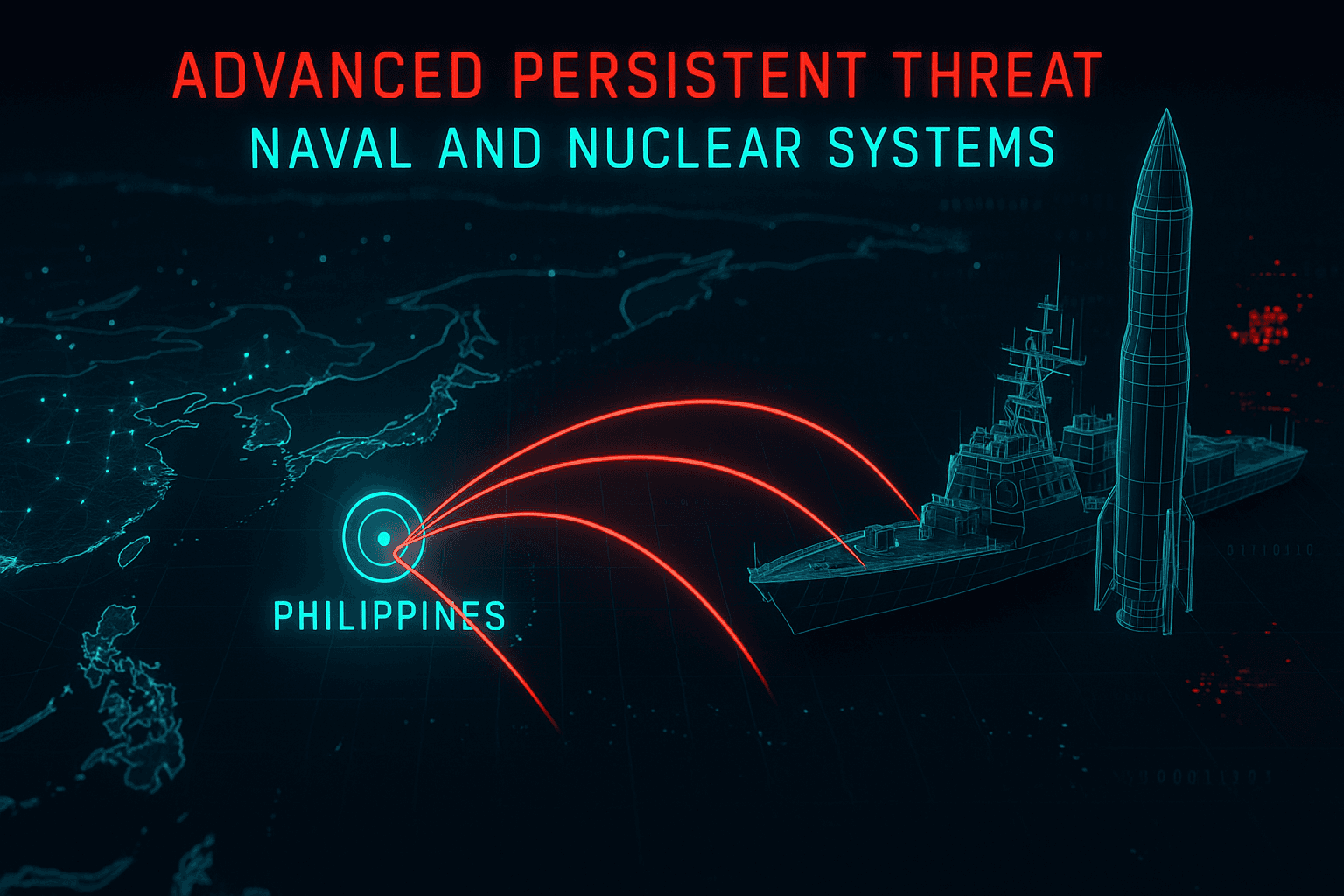
A suspected Chinese-speaking operator has breached Philippine naval and nuclear targets, exploiting known vulnerabilities in internet-facing systems. The attack underscores the ongoing threat of state-sponsored cyber espionage. Organizations are urged to enhance their cybersecurity posture through rigorous patch management and advanced threat detection capabilities.
Introduction: Understanding the Threat
In an age where cyber threats transcend borders, the recent attack on Philippine nuclear and naval assets serves as a stark reminder of the vulnerabilities that critical infrastructure faces. The suspected Chinese-speaking threat actor's ability to exploit known flaws in ownCloud and WordPress systems highlights a persistent threat to national security. Understanding the nature and implications of such threats is crucial for safeguarding sensitive data and maintaining operational integrity.
This incident is not an isolated event; it aligns with a pattern of state-sponsored cyber espionage that has been growing in sophistication and frequency. Organizations worldwide, especially those in strategic sectors, must remain vigilant and proactive in their defense strategies.
The Threat Landscape: Current State of Affairs
The cybersecurity landscape is increasingly fraught with challenges as nation-state actors leverage advanced techniques to infiltrate critical infrastructure. According to industry reports, cyber espionage accounts for a significant portion of attacks on governmental and strategic sectors. The Philippine incident is a testament to the persistent threat posed by actors with geopolitical motives.
Recent data indicates a surge in attacks targeting vulnerable systems, with over 60% of breaches exploiting known vulnerabilities. This trend underscores the importance of patch management in mitigating risks. Additionally, the maritime and nuclear sectors are frequently targeted due to their strategic importance, making them prime targets for espionage and sabotage.
Technical Deep Dive: How the Attack Works
The attack on the Philippine nuclear and naval targets involved the exploitation of known vulnerabilities in ownCloud and WordPress systems. These platforms, often used for data storage and content management, became entry points for the threat actor. By leveraging vulnerabilities such as CVE-2021-22963 (ownCloud) and CVE-2021-29447 (WordPress), the attacker gained unauthorized access to sensitive systems.
Once inside, the threat actor deployed advanced persistent threat (APT) tactics to maintain access and exfiltrate sensitive data. This involved the use of custom malware designed to evade detection and sustain long-term presence within the network. Indicators of compromise (IOCs) include unusual network traffic and unauthorized data access.
Impact Assessment: Who Is Affected and How
The breach has significant implications for the Philippine nuclear research body and the marine engineering company supporting the navy. Such incidents not only compromise sensitive data but also threaten national security and operational stability. The financial impact could be substantial, with potential costs related to data recovery, system restoration, and reputational damage.
Regulatory bodies may impose fines and sanctions on organizations failing to protect critical infrastructure, highlighting the importance of compliance with cybersecurity standards. The incident serves as a wake-up call for industries involved in national defense and energy to reassess their security frameworks.
Real-World Case Studies
Similar incidents have occurred globally, with nation-state actors targeting critical infrastructure to gain strategic advantages. For instance, the 2019 breach of U.S. Navy contractors by Chinese hackers revealed sensitive military information, resulting in heightened security measures and policy reforms.
These cases demonstrate the importance of robust cybersecurity protocols and the need for continuous monitoring and assessment of potential vulnerabilities. Lessons learned from past incidents emphasize the need for collaboration between governmental and private sectors to strengthen defense mechanisms.
Mitigation Strategies: Protecting Your Organization
Organizations must adopt a multi-layered security approach to defend against sophisticated cyber threats. Immediate actions include conducting thorough vulnerability assessments and patching known flaws in systems. Implementing robust access controls and network segmentation can limit unauthorized access and minimize damage in case of a breach.
Short-term measures involve deploying advanced threat detection tools and conducting regular security audits. Long-term strategies should focus on enhancing security awareness among employees and integrating artificial intelligence (AI) to anticipate and mitigate threats proactively.
Detection and Response
Effective detection involves monitoring for signs of compromise, such as unusual login attempts and data exfiltration activities. Organizations should establish incident response teams capable of swiftly addressing breaches and minimizing impact through prompt actions.
Forensic analysis plays a critical role in understanding the attack vectors and identifying the threat actors involved. This information is vital for preventing future incidents and enhancing the overall security posture.
Expert Insights: Industry Perspective
Cybersecurity experts emphasize the need for a proactive approach in tackling state-sponsored threats. The evolving threat landscape requires organizations to anticipate attacks and implement advanced security measures. Future predictions indicate an increase in hybrid attacks combining cyber and physical elements.
Security teams should prepare for an era of sophisticated cyber warfare, where geopolitical tensions drive the frequency and complexity of attacks. Developing resilience through continuous improvement and innovation in cybersecurity practices is paramount.
Conclusion: Key Takeaways
The attack on Philippine nuclear and naval targets highlights the critical need for enhanced cybersecurity measures in strategic sectors. Organizations must prioritize vulnerability management, threat detection, and incident response to safeguard sensitive information and maintain operational integrity.
- Prioritize regular vulnerability assessments and patch management.
- Implement multi-layered security measures and access controls.
- Deploy advanced threat detection tools and conduct security audits.
- Establish robust incident response protocols and forensic capabilities.
- Enhance employee awareness and integrate AI in security strategies.
Discussion
Share Your Thoughts
Loading comments...
Stay Updated
Subscribe to our newsletter for the latest cybersecurity insights, threat intelligence, and security best practices.