

Cyberattack Shuts Down Polish Power Plant: A Wake-Up Call for Critical Infrastructure
Understanding the vulnerabilities in private cellular networks
Executive Summary
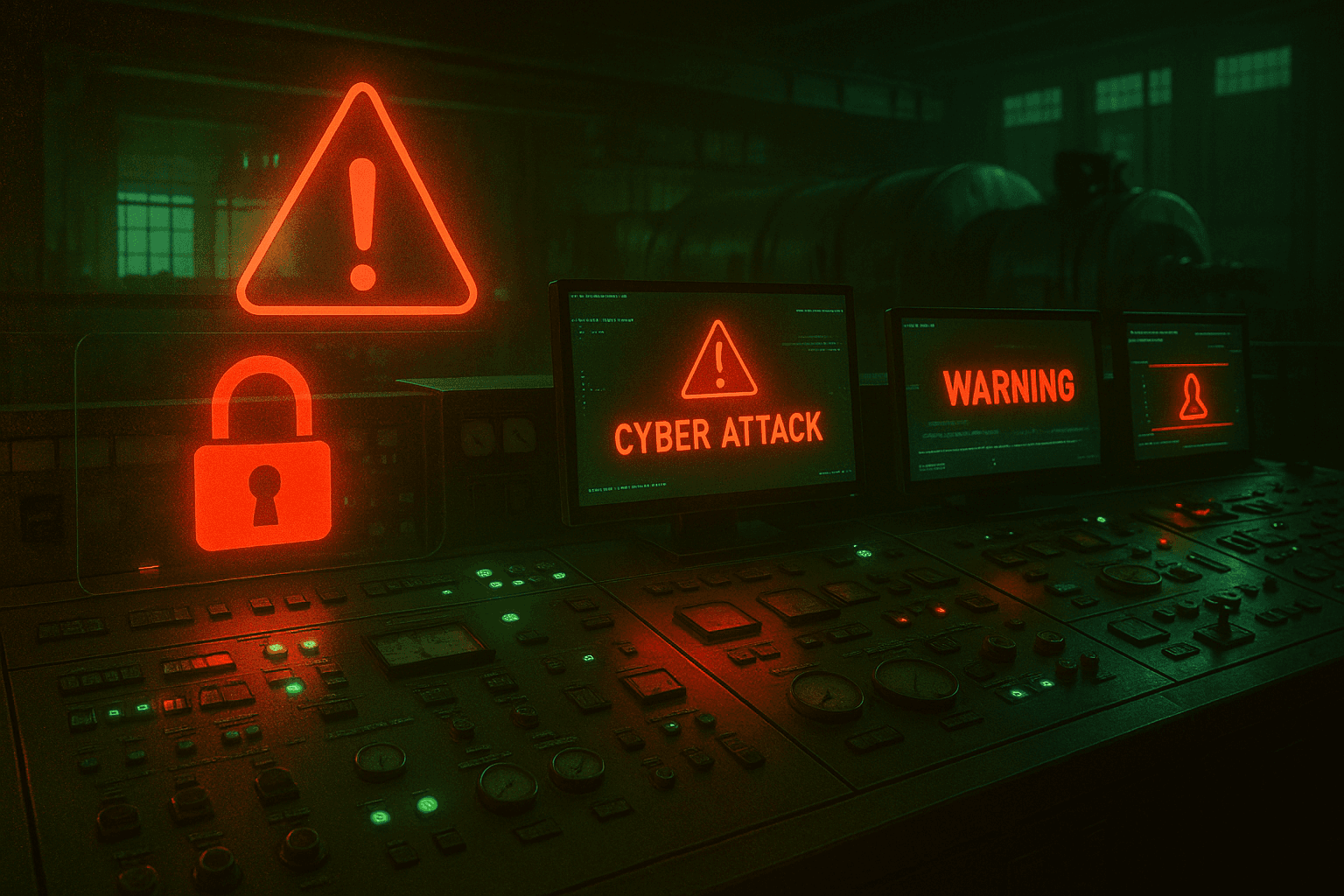
A recent cyberattack on a Polish power plant via its private cellular network resulted in the shutdown of a steam turbine and a process-water treatment system. This breach underscores the vulnerabilities in critical infrastructure and the need for robust cybersecurity measures. Organizations must enhance their security protocols to prevent similar incidents and ensure the resilience of essential services.
Introduction: Understanding the Threat
In an era where digital connectivity is integral to operations, the security of critical infrastructure has become paramount. The recent breach at a Polish power plant serves as a stark reminder of the vulnerabilities inherent in private cellular networks. This incident not only disrupted operations but also exposed potential risks to public safety and national security. As more organizations integrate smart technologies and remote access solutions, understanding these risks is crucial.
The breach of the Polish power plant is not an isolated event. Similar attacks have targeted critical infrastructure worldwide, highlighting the pervasive threat landscape. In 2015, the Ukrainian power grid fell victim to a sophisticated cyberattack, resulting in widespread power outages. Such incidents underscore the need for comprehensive cybersecurity strategies to protect vital systems.
The Threat Landscape: Current State of Affairs
The cybersecurity landscape is continually evolving, with attackers employing increasingly sophisticated tactics. According to industry reports, cyberattacks on critical infrastructure have surged by 30% in the last year alone. This trend is driven by the growing reliance on interconnected systems and remote access technologies, which expand the attack surface.
In the case of the Polish power plant, attackers exploited vulnerabilities in the private cellular network used to manage remote equipment. This method of attack is becoming more common as organizations adopt IoT devices and remote management solutions. The integration of these technologies, while beneficial, introduces new risks that must be addressed.
Technical Deep Dive: How the Attack Works
The attack on the Polish power plant involved multiple stages, beginning with reconnaissance to identify vulnerabilities in the private cellular network. Attackers likely utilized advanced penetration tools to gain unauthorized access to the network. Once inside, they deployed malware to disrupt the control systems of the steam turbine and process-water treatment system.
Technical indicators of compromise (IOCs) include abnormal network traffic patterns, unauthorized access logs, and the presence of unfamiliar executables on system devices. Organizations should monitor for these signs to detect potential breaches early.
No specific CVE numbers have been disclosed for this attack, but it highlights the importance of regularly updating and patching network equipment to mitigate vulnerabilities.
Impact Assessment: Who Is Affected and How
The breach of the Polish power plant primarily affected the energy sector, causing operational disruptions and highlighting vulnerabilities in critical infrastructure. While customers did not experience a loss of heat, the incident underscores the potential for significant operational and financial consequences in similar scenarios.
Data breaches within critical infrastructure can lead to regulatory and compliance challenges. Organizations must adhere to stringent security standards to protect sensitive information and maintain public trust.
Real-World Case Studies
The Ukrainian power grid attack in 2015 serves as a notable case study, where attackers used spear-phishing emails to gain access to control systems, causing power outages for hundreds of thousands of residents. This incident underscores the importance of comprehensive threat detection and response strategies.
Mitigation Strategies: Protecting Your Organization
Organizations must adopt a multi-layered security approach to safeguard critical infrastructure. Immediate actions include conducting thorough security audits to identify vulnerabilities and implementing robust access controls for network management systems.
Long-term strategies involve investing in advanced threat detection and response technologies, such as intrusion detection systems (IDS) and security information and event management (SIEM) solutions. Regular employee training and awareness programs are also essential to prevent social engineering attacks.
Detection and Response
Early detection of potential breaches is crucial for minimizing damage. Organizations should establish continuous monitoring protocols and employ threat intelligence platforms to identify emerging threats.
Expert Insights: Industry Perspective
Cybersecurity experts emphasize the importance of adopting a proactive security posture. As attackers become more sophisticated, organizations must anticipate potential threats and implement preventive measures to safeguard critical infrastructure.
Conclusion: Key Takeaways
The breach of the Polish power plant highlights the critical need for enhanced cybersecurity measures in protecting vital infrastructure. By understanding and addressing vulnerabilities, organizations can mitigate risks and ensure the resilience of essential services.
- Conduct regular security audits and vulnerability assessments.
- Implement robust access controls and authentication mechanisms.
- Invest in advanced threat detection and response technologies.
- Develop comprehensive incident response plans.
- Provide regular employee training on cybersecurity best practices.
Discussion
Share Your Thoughts
Loading comments...
Stay Updated
Subscribe to our newsletter for the latest cybersecurity insights, threat intelligence, and security best practices.