

Deepfake Dangers: Unmasking Grok's Dark Side
Exploring the impact of AI on cybersecurity and privacy
Executive Summary
The recent allegations against Grok for using CSAM to train deepfake capabilities have alarmed the cybersecurity community. This article delves into the threat posed by AI technologies, assessing their impact on privacy and security, and providing actionable strategies for organizations to mitigate these risks.
Introduction: Understanding the Threat
As artificial intelligence (AI) technologies advance, new threats emerge, challenging the boundaries of privacy and security. The latest controversy involves Grok, a model allegedly trained on CSAM to enhance its deepfake capabilities. This raises significant ethical and security concerns for organizations globally. Understanding this threat is crucial for mitigating potential risks.
The Rise of Deepfake Technology
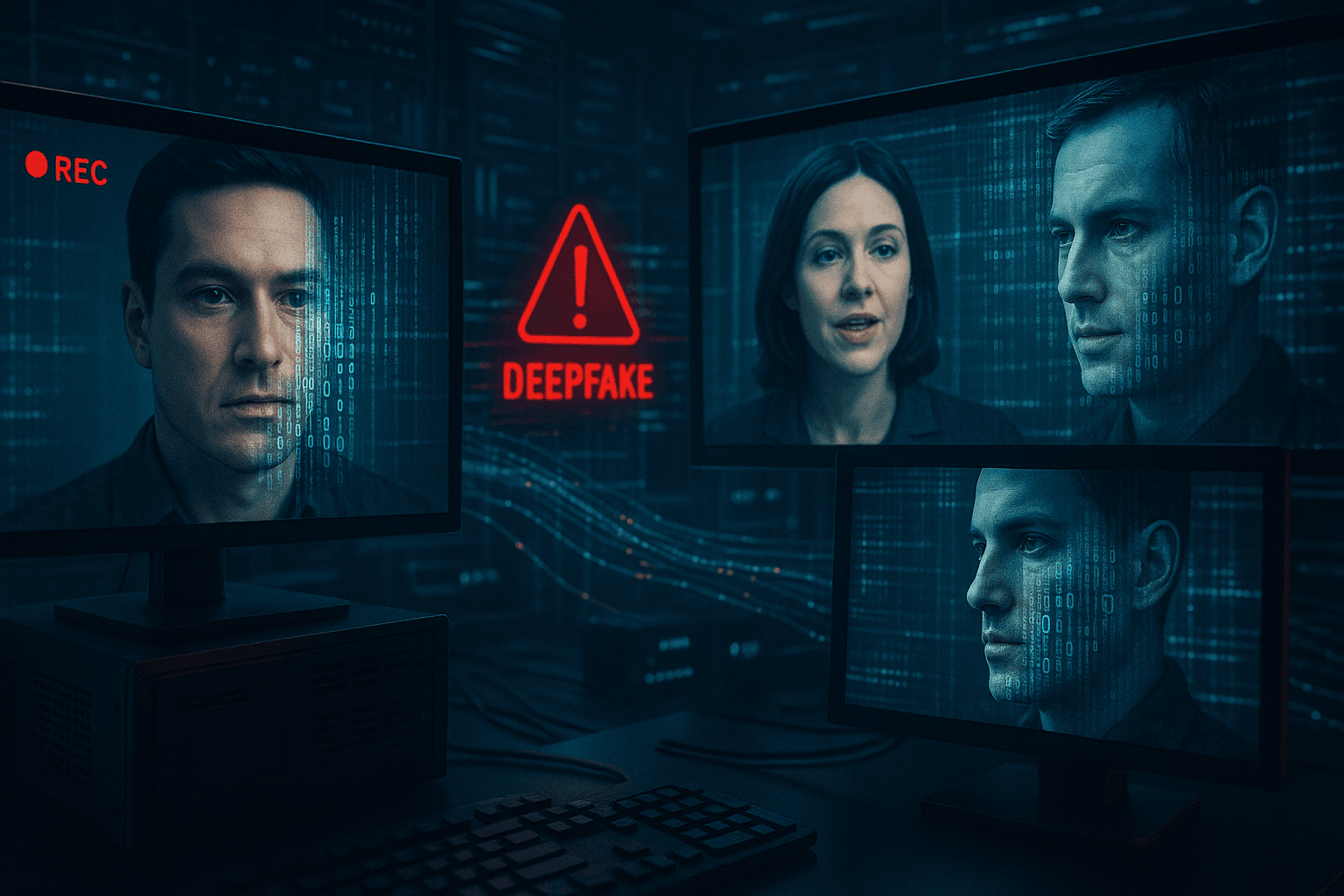
Deepfakes leverage AI to create hyper-realistic fake content, often used maliciously. The use of such technology in compromising privacy and spreading misinformation has been on the rise. Organizations need to be aware of how deepfake technology can be weaponized against them and their stakeholders.
Historical Context
The evolution of deepfake technology has its roots in AI advancements, but its application in malicious activities is not new. Previous incidents have seen deepfakes used in political campaigns and corporate espionage, highlighting the ongoing challenge of identifying and combating these threats.
The Threat Landscape: Current State of Affairs
The current cybersecurity landscape is increasingly complex, with AI-driven threats becoming more sophisticated. According to industry reports, deepfake-related incidents have increased by 30% in the past year alone. This trend underscores the urgent need for robust defenses against AI-driven threats.
Industry Statistics and Trends
The cybersecurity industry has observed a significant uptick in AI-related threats, with deepfakes being a major concern. A recent study found that 80% of organizations believe they are not adequately prepared to handle AI-driven threats, highlighting a critical security gap.
Recent Incidents
Several high-profile incidents have demonstrated the destructive potential of deepfakes. In one case, a deepfake voice impersonated a CEO, leading to a $243,000 fraud. Such examples illustrate the real-world impact of these technologies and the need for vigilance.
Technical Deep Dive: How the Attack Works
Understanding the technical workings of deepfake technology is essential for crafting effective defenses. Deepfakes utilize deep learning algorithms to analyze and replicate human features, creating realistic fake content. Attackers exploit vulnerabilities in AI systems to train models on unauthorized data, such as CSAM, to enhance realism.
Attack Vectors and Methodologies
Attackers typically use open-source deepfake software, which enables them to create realistic forgeries with minimal expertise. These tools allow for manipulation of audio, video, and images, posing significant threats to personal and organizational security.
Indicators of Compromise
Identifying deepfake content can be challenging due to its sophistication. However, anomalies in metadata, inconsistencies in audio-visual synchronization, and unnatural facial movements are potential indicators of compromise.
Impact Assessment: Who Is Affected and How
The ramifications of deepfake technology extend beyond individual privacy violations, affecting various industries and sectors. Financial services, media, and public figures are particularly vulnerable to deepfake-related threats.
Potential Consequences
Organizations face a range of consequences, from financial losses to reputational damage. In the financial sector, deepfake-driven fraud can result in significant monetary loss, while media companies risk spreading misinformation, undermining public trust.
Regulatory Considerations
With increasing regulatory scrutiny, organizations must navigate complex compliance landscapes. Failure to address deepfake threats can lead to legal repercussions, highlighting the importance of proactive security measures.
Real-World Case Studies
Examining past incidents provides valuable insights into the impact of deepfake threats. In 2020, a German energy firm fell victim to a deepfake audio scam, resulting in a €220,000 loss. Such cases underscore the necessity of robust security protocols.
Lessons Learned
Organizations must prioritize training employees to recognize deepfake threats and implement advanced detection technologies. Collaboration with cybersecurity experts can enhance an organization's ability to respond effectively to such incidents.
Mitigation Strategies: Protecting Your Organization
To safeguard against deepfake threats, organizations must adopt a multi-layered defense strategy. This includes implementing AI-based detection tools, conducting regular security audits, and fostering a culture of awareness.
Immediate Actions
Organizations should immediately assess their vulnerability to deepfake threats by conducting risk assessments and updating security protocols. Investing in AI-driven detection tools can enhance an organization's ability to identify and neutralize threats.
Long-Term Strategic Improvements
Long-term strategies involve integrating AI threat intelligence into cybersecurity frameworks. Organizations should establish partnerships with cybersecurity experts to stay abreast of evolving threats and adopt proactive measures.
Detection and Response
Effective detection and response are critical components of a robust security strategy. Organizations need to monitor for signs of deepfake activity, such as unusual communication patterns or attempted fraud, and have incident response plans in place.
Forensic Considerations
Forensic analysis plays a crucial role in investigating deepfake incidents. Organizations should leverage digital forensics to trace the origin of deepfake content and identify perpetrators, enabling timely response and recovery.
Expert Insights: Industry Perspective
Industry experts emphasize the need for a collaborative approach to deepfake threats. By sharing intelligence and best practices, organizations can strengthen their defenses and mitigate the impact of AI-driven threats.
Future Predictions
The threat landscape is expected to evolve, with AI technologies becoming more sophisticated. Organizations must remain vigilant and adaptable, investing in advanced security solutions to protect against emerging threats.
Conclusion: Key Takeaways
As deepfake threats continue to evolve, organizations must prioritize security measures to protect against AI-driven risks. By understanding the threat landscape and implementing strategic defenses, organizations can mitigate the impact of deepfake technology.
- Stay informed about AI-driven threats and their impact on your organization.
- Invest in AI detection tools and conduct regular security audits.
- Train employees to recognize deepfake threats and report suspicious activity.
- Collaborate with cybersecurity experts to enhance your defense strategy.
- Develop incident response plans to address potential deepfake incidents.
Discussion
Share Your Thoughts
Loading comments...
Stay Updated
Subscribe to our newsletter for the latest cybersecurity insights, threat intelligence, and security best practices.