
Defending Against Russian Cyber Threats: A Comprehensive Guide
Strengthening Security to Combat Nation-State Cyberattacks
Executive Summary
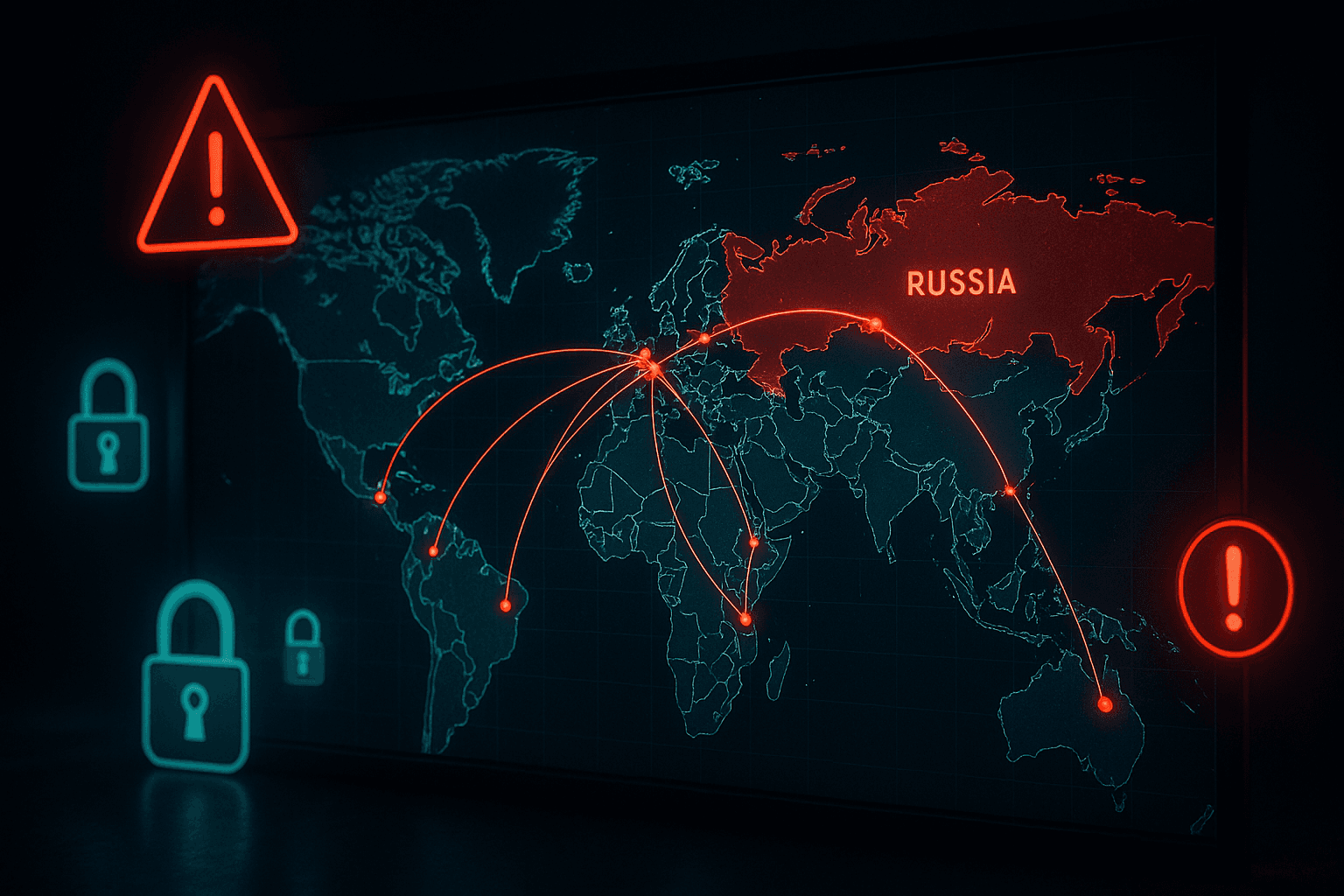
Russian cyberattacks continue to endanger European infrastructure, exploiting weak security measures. The unprecedented joint sanctions by the UK and EU emphasize the severity of these threats. To protect themselves, organizations must strengthen their cybersecurity frameworks and adopt proactive defense strategies.
Introduction: Understanding the Threat
The digital landscape today is fraught with challenges, not least of which are cyber threats from nation-states like Russia. These threats are not new but have evolved in sophistication and scale, targeting critical sectors across Europe. Understanding the history and current state of these threats is crucial for organizations to safeguard their assets and data.
Historically, cyber threats from Russia have ranged from espionage to infrastructure sabotage, often fueled by geopolitical motives. In recent years, these attacks have intensified, with a focus on leveraging weak security protocols in organizations to infiltrate systems, steal data, and disrupt operations.
The Threat Landscape: Current State of Affairs
The cybersecurity landscape is seeing an increasing number of sophisticated attacks from Russian entities. According to industry reports, over 70% of targeted cyberattacks in Europe can be traced back to state-sponsored actors, with Russia being a predominant player. These attacks often involve advanced persistent threats (APTs), which are designed to infiltrate and persist within systems undetected for extended periods.
Recent incidents have highlighted the vulnerabilities in sectors such as finance, energy, and healthcare. For instance, the 2022 breach of a major European energy provider disrupted services for weeks, underscoring the potential impact on critical infrastructure. The trend points towards a growing focus on exploiting weak endpoints and outdated security protocols.
Technical Deep Dive: How the Attack Works
Russian cyberattacks typically employ a combination of spear phishing, zero-day exploits, and sophisticated malware to gain access to target systems. The initial phase often involves phishing emails, crafted to look legitimate, that trick users into revealing credentials or downloading malicious attachments.
Once access is gained, attackers deploy malware such as TrickBot or Ryuk to escalate privileges and move laterally within the network. These tools are designed to operate stealthily, often disabling security systems and logging tools to avoid detection.
Technical indicators of compromise (IOCs) include unusual network traffic patterns, unauthorized access attempts, and unexplained system slowdowns. Security teams should monitor for specific signatures associated with known Russian malware and employ advanced threat detection tools to identify anomalies.
Impact Assessment: Who Is Affected and How
The impact of these cyberattacks is far-reaching, affecting industries such as finance, healthcare, energy, and government. The financial sector, for instance, risks significant monetary losses and reputational damage due to data breaches and service disruptions.
Operational consequences include downtime and compromised data integrity, which can have cascading effects on supply chains and public services. Regulatory implications are also significant, as non-compliance with data protection laws like GDPR can result in hefty fines.
Data breaches from these attacks often lead to the exposure of sensitive information, risking identity theft and fraud. Organizations must consider the long-term implications of such breaches on customer trust and business continuity.
Real-World Case Studies
A notable example is the 2020 SolarWinds attack, where Russian hackers exploited vulnerabilities in widely used software to infiltrate numerous government and private sector organizations. The attack remained undetected for months, demonstrating the sophisticated tactics used by nation-state actors.
Another case involved the NotPetya ransomware attack, which targeted Ukrainian infrastructure but inadvertently spread globally, causing billions in damages. These incidents highlight the importance of comprehensive security measures and international cooperation in combating cyber threats.
Mitigation Strategies: Protecting Your Organization
Organizations must adopt a multi-layered security approach to defend against these threats. Immediate actions include conducting thorough security audits to identify and patch vulnerabilities, especially in critical systems.
Implementing robust endpoint security solutions and employee training programs can help mitigate the risk of phishing attacks. Regular software updates and patch management are essential to close security gaps that could be exploited by attackers.
In the long term, investing in advanced threat detection systems and incident response capabilities is crucial. Consider leveraging artificial intelligence and machine learning technologies to enhance threat intelligence and automate response processes.
Specific tools such as intrusion detection systems (IDS) and security information and event management (SIEM) solutions can provide real-time alerts and insights into potential threats. Proper configuration and regular testing of these systems are vital to ensure their effectiveness.
Detection and Response
Organizations should establish clear incident response plans that outline the steps to take in the event of a cyberattack. This includes identifying signs of compromise, such as unexpected data flows or unauthorized access attempts.
Forensic analysis is a critical component of the response process, helping to determine the attack vector and scope of the breach. This information is essential for mitigating the immediate threat and preventing future incidents.
Expert Insights: Industry Perspective
Experts predict an increase in nation-state-sponsored cyberattacks, with a focus on disrupting critical infrastructure and stealing intellectual property. The evolving threat landscape requires security teams to stay informed and agile, continuously adapting their strategies to new challenges.
Future trends indicate a shift towards more targeted attacks, leveraging AI and machine learning to bypass traditional security measures. Organizations must prepare by adopting innovative technologies and fostering a culture of security awareness.
Conclusion: Key Takeaways
As cyber threats from Russian entities continue to evolve, organizations must prioritize cybersecurity as a strategic imperative. By understanding the threat landscape and implementing robust security measures, businesses can protect their assets and maintain operational resilience.
- Enhance endpoint security and conduct regular vulnerability assessments.
- Invest in advanced threat detection and response capabilities.
- Foster a culture of security awareness among employees.
- Collaborate with industry peers and government agencies for threat intelligence sharing.
- Establish clear incident response plans and conduct regular drills.
Discussion
Share Your Thoughts
Loading comments...
Stay Updated
Subscribe to our newsletter for the latest cybersecurity insights, threat intelligence, and security best practices.