
Enhancing WhatsApp Security: New Features and Their Impact
Exploring Meta's latest security enhancements for WhatsApp
Executive Summary
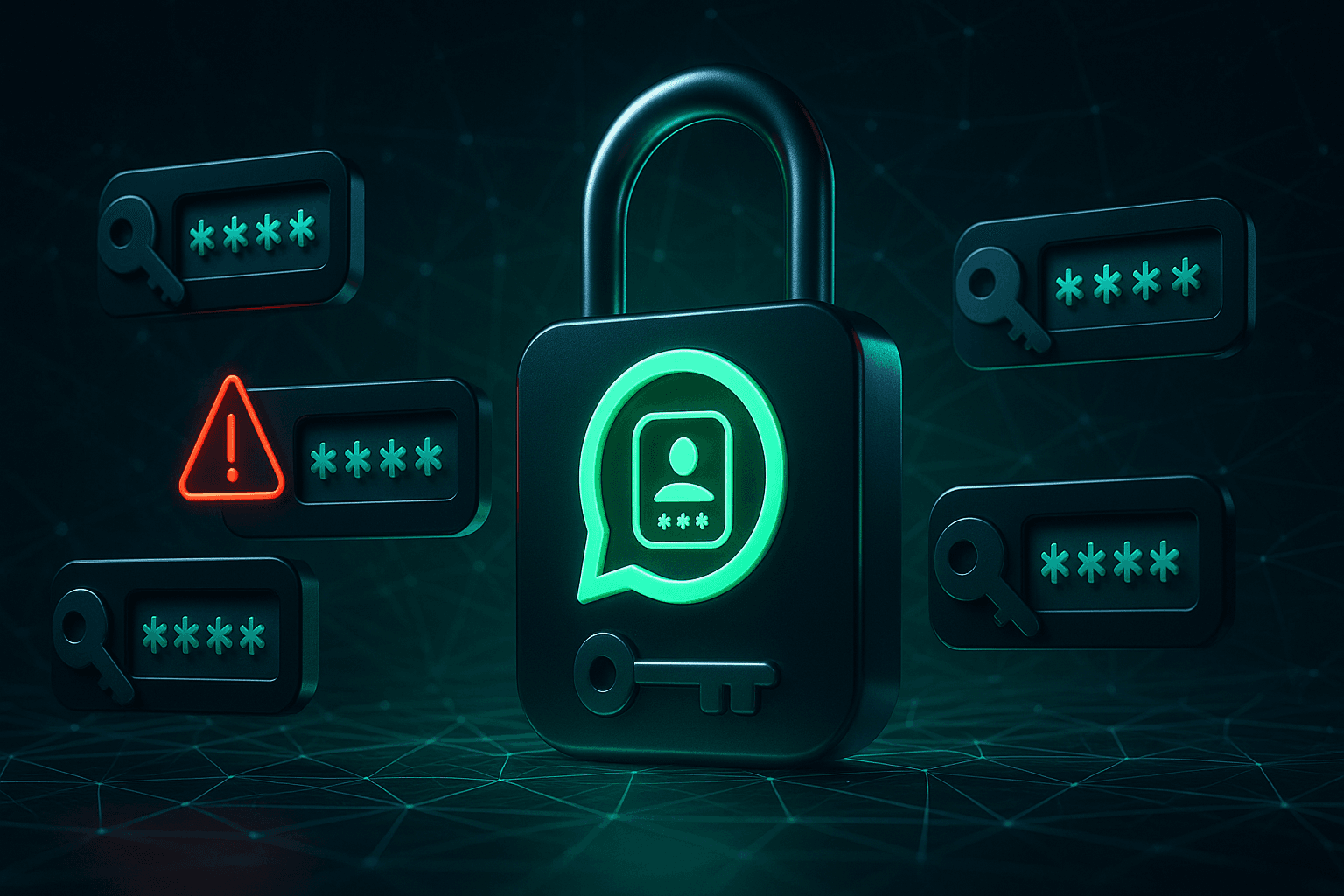
Meta has enhanced WhatsApp security with stronger two-step verification, additional information for calls from unknown numbers, and multiple passkey support. These updates aim to bolster user privacy and secure communications. Organizations must adapt to these changes to protect data integrity and user trust.
Introduction: Understanding the Threat
In today's digital age, securing communication platforms is critical for organizations. WhatsApp, used by millions globally, is a prime target for malicious actors. The introduction of new security features by Meta underscores the importance of evolving security measures.
Historically, messaging apps have been vulnerable to unauthorized access and data breaches. The rise of remote work and digital communication has amplified these threats, making robust security measures imperative.
The Threat Landscape: Current State of Affairs
The cybersecurity landscape is continuously evolving, with messaging apps often targeted due to their widespread use. According to recent studies, digital communication platforms have seen a 30% increase in security incidents over the past year.
WhatsApp's new security features are a response to these growing threats, aiming to strengthen user protection against unauthorized access and data breaches.
Technical Deep Dive: How the Attack Works
The new security features address common attack vectors such as account hijacking and unauthorized access. Strengthening two-step verification adds an additional layer of security, making it more challenging for attackers to compromise user accounts.
Account hijacking often involves exploiting weak security protocols. By implementing stronger verification methods, WhatsApp aims to mitigate these risks and protect user data.
Impact Assessment: Who Is Affected and How
The enhanced security measures primarily affect users of WhatsApp, including individuals and organizations relying on the platform for communication. The potential consequences of a security breach include data leaks, financial losses, and reputational damage.
Industries such as finance, healthcare, and technology, where secure communication is paramount, may experience significant impacts if these security measures are not adopted.
Real-World Case Studies
In recent years, several high-profile incidents have highlighted the vulnerabilities of messaging apps. For instance, the 2019 WhatsApp security breach exposed the need for stronger security protocols.
Lessons learned from these incidents emphasize the importance of continuous security enhancements to protect sensitive data and user privacy.
Mitigation Strategies: Protecting Your Organization
Organizations should prioritize the implementation of WhatsApp's new security features to safeguard communications. Immediate actions include enabling stronger two-step verification and educating users on recognizing and handling suspicious calls.
Long-term strategies involve integrating these security measures into broader cybersecurity frameworks, using advanced tools and technologies for ongoing protection.
Detection and Response
Detecting signs of compromise in messaging apps requires robust monitoring and incident response capabilities. Indicators include unusual login attempts and unauthorized access alerts.
Organizations should establish comprehensive incident response plans to address potential breaches swiftly and effectively.
Expert Insights: Industry Perspective
Experts predict that messaging app security will continue to be a focal point in cybersecurity strategies. As threats evolve, so must the measures to counter them, ensuring robust data protection.
Security teams should prepare for emerging threats by staying informed about new security features and integrating them into their security protocols.
Conclusion: Key Takeaways
In light of Meta's new security features for WhatsApp, organizations must adapt to safeguard user data and maintain secure communications. Key takeaways include:
- Enable and promote the use of stronger two-step verification.
- Educate users about recognizing suspicious activity.
- Integrate new security measures into existing cybersecurity frameworks.
- Monitor for signs of compromise and establish response plans.
- Stay informed about evolving security features to protect against new threats.
Discussion
Share Your Thoughts
Loading comments...
Stay Updated
Subscribe to our newsletter for the latest cybersecurity insights, threat intelligence, and security best practices.