

Hijacking Voice Assistants: The New Cyber Threat
How Notifications Can Compromise Android Devices
Executive Summary
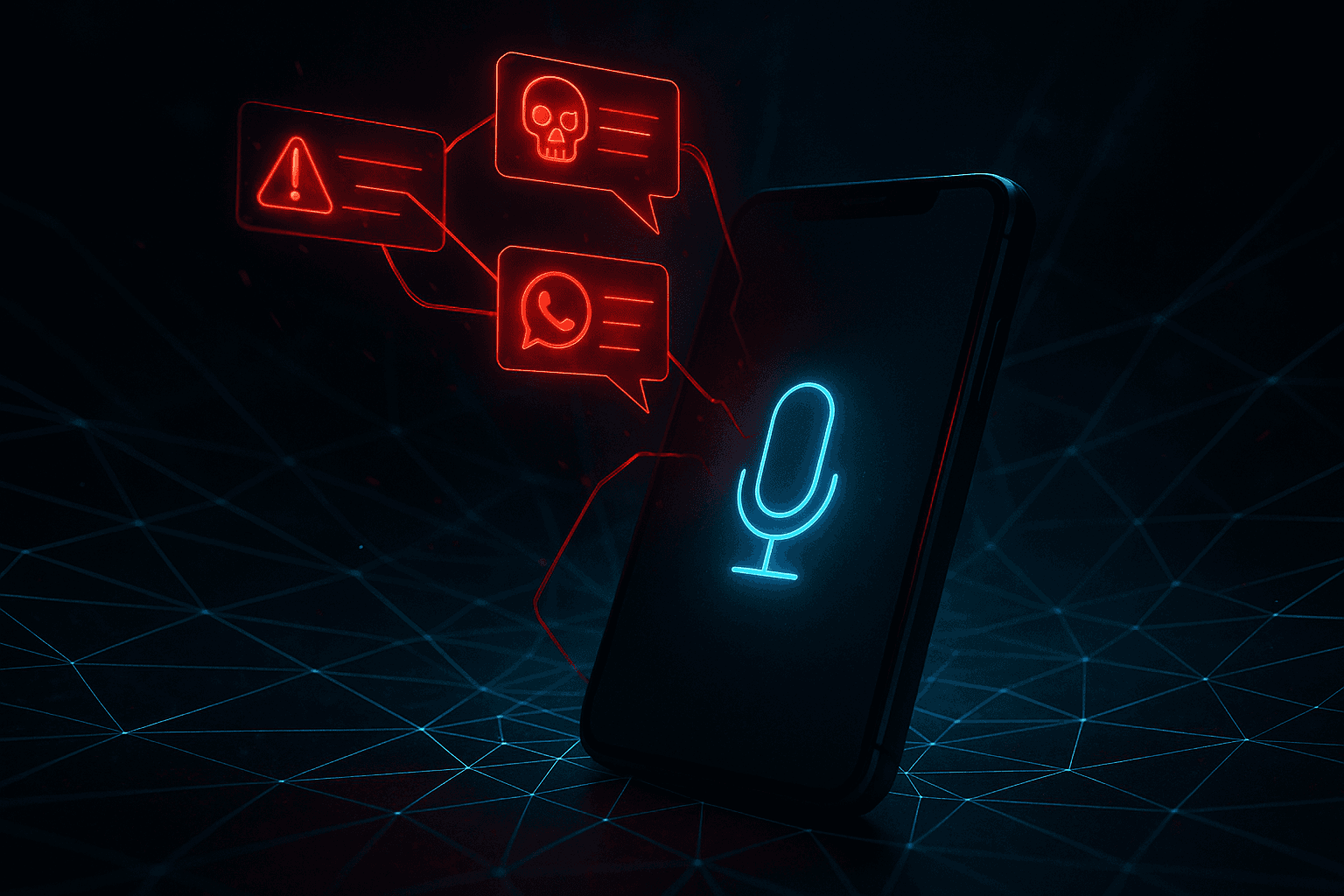
A newly identified vulnerability in Google Gemini's voice assistant on Android devices allows hijacking through poisoned notifications. This flaw enables malicious actors to manipulate the device without needing a malicious app, posing significant risks to both individuals and organizations. Immediate mitigation involves patching and monitoring suspicious activity.
Introduction: Understanding the Threat
In the ever-evolving landscape of cybersecurity, threats continue to emerge, challenging the security frameworks of organizations worldwide. The recent discovery of a vulnerability in Google's Gemini voice assistant on Android devices underscores the critical need for vigilance. This exploit leverages poisoned notifications from popular messaging apps, allowing unauthorized access to device functionalities. As voice assistants become integral to enterprise operations, understanding and mitigating such threats is paramount.
The concept of hijacking voice assistants isn't novel. Previous incidents have showcased vulnerabilities in voice-activated technologies, but the scale and ease of this exploit mark a significant escalation. With no need for a malicious app, the threat leverages everyday communications to manipulate devices, from sending fake messages to initiating unauthorized calls.
The Threat Landscape: Current State of Affairs
The cybersecurity landscape is increasingly complex, with threats evolving in sophistication and frequency. According to recent statistics, mobile vulnerabilities have surged, paralleling the rise in mobile device usage for both personal and professional activities. This latest vulnerability is part of a broader trend towards exploiting voice-activated technologies, which have become ubiquitous in modern work environments.
Incidents of similar nature have been documented, with cybercriminals exploiting vulnerabilities in digital assistants to bypass security measures. A recent study highlighted a 35% increase in attacks targeting voice-activated systems, underscoring the growing focus on this attack vector. Organizations must now contend with the dual challenges of securing traditional endpoints and safeguarding emerging technologies.
Technical Deep Dive: How the Attack Works
The attack vector exploiting Google Gemini's vulnerability is deceptively simple yet highly effective. By crafting a poisoned notification from apps like WhatsApp or Slack, attackers can manipulate the voice assistant's behavior. The attack does not require the installation of a malicious app, utilizing legitimate notifications to carry out unauthorized actions.
Technical analysis reveals that the flaw lies in the assistant's handling of incoming notifications. Upon receiving a crafted notification, the assistant misinterprets the command, leading to unauthorized actions such as opening apps, sending messages, or altering device settings. This vulnerability, while specific to notifications, highlights broader security gaps in voice-activated systems.
Impact Assessment: Who Is Affected and How
The implications of this vulnerability are far-reaching, affecting individuals and organizations across various sectors. Industries heavily reliant on mobile communications, such as finance, healthcare, and logistics, are particularly at risk. The potential for data breaches and unauthorized access to sensitive information could have severe financial and reputational consequences.
Beyond immediate financial impacts, organizations must consider regulatory and compliance ramifications. Data protection regulations, such as GDPR, mandate stringent security measures, and failure to address this vulnerability could result in significant penalties. Additionally, the potential for operational disruption necessitates a proactive response strategy.
Real-World Case Studies
Previous incidents involving voice assistant vulnerabilities provide valuable insights into potential outcomes and mitigation strategies. In 2021, a similar exploit targeted Amazon Alexa, resulting in unauthorized purchases and data access. The incident highlighted the importance of securing voice interfaces and implementing robust authentication measures.
Lessons learned from these cases emphasize the need for awareness and comprehensive security strategies. Organizations must prioritize regular updates and patches, alongside user education to identify and report suspicious activities.
Mitigation Strategies: Protecting Your Organization
To safeguard against this threat, organizations should implement a multi-layered security approach. Immediate actions include disabling voice assistant features on sensitive devices and ensuring all security patches are up-to-date. Regular training sessions can enhance user awareness of potential threats and appropriate response measures.
In the short term, organizations should employ advanced threat detection tools capable of identifying anomalous behaviors related to voice assistants. Long-term strategies involve integrating AI-driven security solutions that automatically respond to potential threats, ensuring a proactive defense posture.
Detection and Response
Effective detection relies on identifying signs of compromise, such as unusual device activity or unexpected notifications. Deploying endpoint detection and response (EDR) solutions can provide real-time insights and facilitate rapid incident response.
Incident response procedures should include immediate isolation of affected devices, comprehensive forensic analysis, and communication with stakeholders to mitigate impacts. Establishing a robust response framework is critical to minimizing damage and ensuring business continuity.
Expert Insights: Industry Perspective
Industry experts emphasize the importance of evolving security frameworks to address emerging threats. As voice assistants become more integrated into organizational workflows, the attack surface expands, necessitating adaptive security measures.
Looking forward, the cybersecurity landscape will likely see increased targeting of voice-activated systems, driven by advancements in AI and machine learning. Security teams must prepare for these challenges by investing in innovative solutions and fostering a culture of security awareness.
Conclusion: Key Takeaways
The vulnerability in Google Gemini underscores the critical need for proactive security strategies. Organizations must address both technical and human factors to effectively mitigate risks associated with voice assistant technologies.
- Regularly update and patch all devices to address known vulnerabilities.
- Enhance user training to recognize and report suspicious activities.
- Employ advanced threat detection tools for real-time monitoring.
- Implement robust incident response procedures to address breaches swiftly.
- Invest in AI-driven security solutions for adaptive threat management.
- Prioritize securing voice-activated technologies within the cybersecurity framework.
- Foster a culture of security awareness across the organization.
Discussion
Share Your Thoughts
Loading comments...
Stay Updated
Subscribe to our newsletter for the latest cybersecurity insights, threat intelligence, and security best practices.