

Infostealers Exploit AI Sessions: How to Safeguard Your Subscriptions
Protect your organization from infostealer attacks on AI platforms
Executive Summary
Infostealers are exploiting vulnerabilities in AI platforms like Claude, allowing attackers to hijack active sessions and drain subscription balances. This threat bypasses two-factor authentication (2FA), posing significant risks to organizations. Immediate action involves revoking unauthorized access and strengthening security measures.
Introduction: Understanding the Threat
The digital landscape is continuously evolving, and with it, the sophistication of cyber threats. One of the latest challenges facing organizations is the rise of infostealers targeting AI platforms. This type of malware not only compromises security but also exploits active sessions to deplete subscription services. Understanding this threat is crucial for businesses relying on AI technologies.
Historically, infostealers have primarily targeted personal information such as login credentials and financial data. However, their evolution into hijacking AI sessions marks a significant shift, emphasizing the growing importance of securing digital assets beyond traditional data points.
In recent times, the dependency on AI-driven services has increased, making platforms like Claude an attractive target for cybercriminals. The ability to hijack sessions and bypass security measures like 2FA underscores the need for robust security strategies.
The Threat Landscape: Current State of Affairs
The cybersecurity landscape is witnessing a surge in sophisticated attacks, with infostealers taking center stage. According to recent industry reports, the frequency of infostealer attacks has escalated by 30% over the past year, highlighting a concerning trend for businesses worldwide.
This trend is compounded by the increasing reliance on AI platforms, which, while offering significant operational advantages, also present new security challenges. The integration of AI in business processes necessitates a reevaluation of existing security frameworks to address these emerging threats effectively.
Several high-profile incidents, such as targeted attacks on AI-driven customer service platforms, demonstrate the real-world implications of infostealer threats. These incidents have resulted in substantial financial losses and reputational damage, reinforcing the need for heightened vigilance.
In this context, understanding the mechanics of infostealer attacks and their potential impact is crucial for organizations aiming to safeguard their digital assets and maintain operational integrity.
Technical Deep Dive: How the Attack Works
Infostealers typically infiltrate systems through phishing emails or malicious downloads. Once inside, they exploit vulnerabilities to gain unauthorized access to AI sessions. These attacks are particularly insidious because they often go undetected until significant damage has been done.
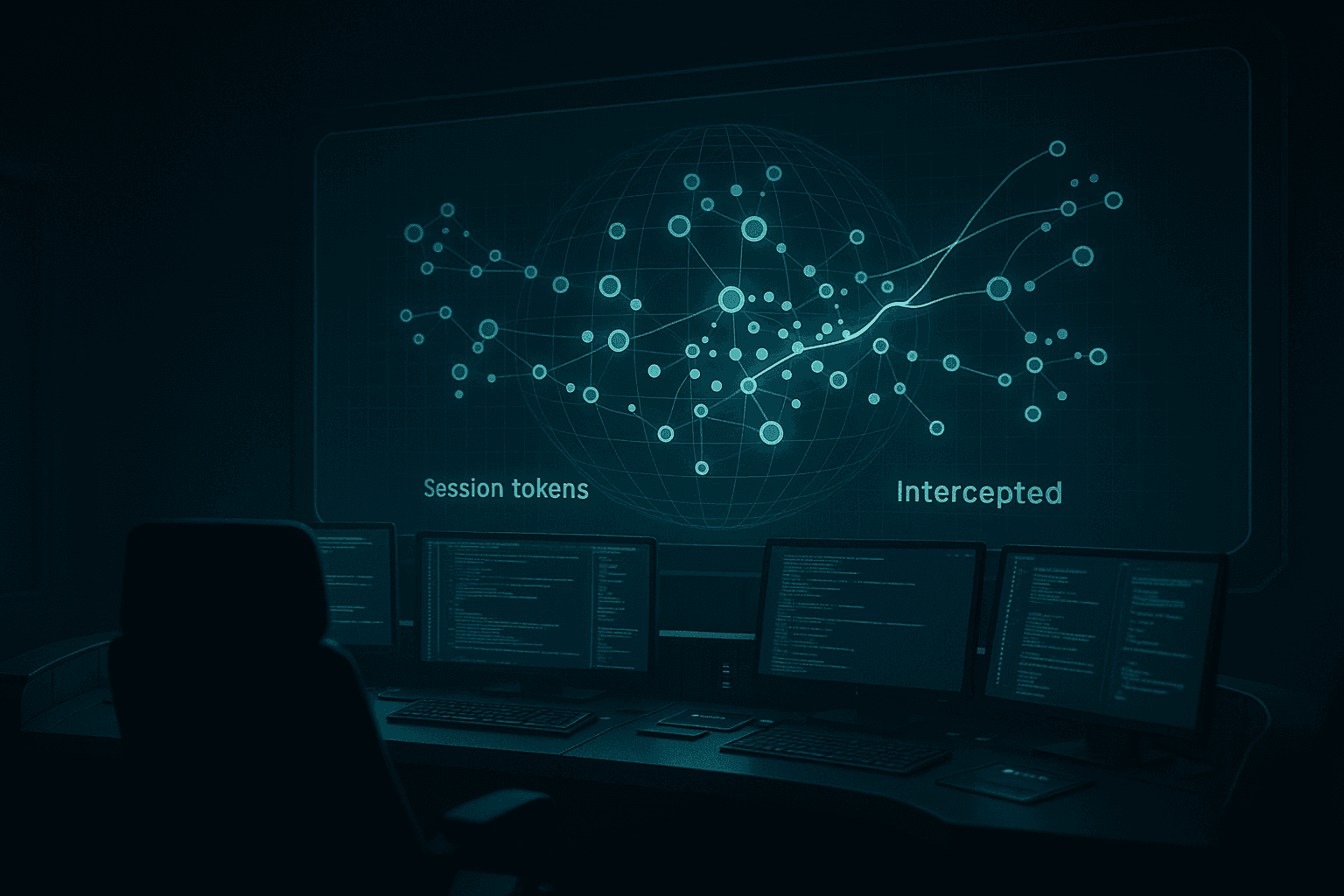
The attack vector primarily involves hijacking active sessions without the need for passwords, thereby bypassing 2FA. This is achieved through session token theft, where malicious actors intercept session tokens to impersonate legitimate users.
Technical indicators of compromise (IOCs) include unusual login activities, unexplained session terminations, and unexpected usage spikes. Security teams should monitor these signs closely to detect potential breaches early.
In some instances, attackers employ code injection techniques, inserting malicious scripts into AI platforms to manipulate session data and bypass security protocols. This level of sophistication requires organizations to adopt advanced detection mechanisms to thwart such attacks.
Impact Assessment: Who Is Affected and How
The impact of infostealer attacks on AI sessions is far-reaching, affecting various industries reliant on AI technologies. Sectors such as finance, healthcare, and customer service are particularly vulnerable due to their extensive use of AI-driven services.
The financial implications of these attacks can be severe, with organizations facing unauthorized charges, subscription depletion, and potential legal liabilities. Moreover, the operational disruptions caused by such breaches can lead to significant productivity losses.
Data breaches resulting from infostealer attacks can compromise sensitive information, leading to regulatory scrutiny and compliance challenges. Organizations must consider the potential for data exposure and implement measures to mitigate these risks.
From a compliance perspective, failing to protect AI sessions adequately can result in penalties under data protection regulations such as GDPR. It is imperative for organizations to align their security practices with regulatory requirements to avoid punitive measures.
Real-World Case Studies
One notable case involved a financial services firm that experienced a significant breach due to infostealer malware. The attackers hijacked AI session tokens, resulting in unauthorized transactions amounting to millions of euros. The breach prompted a comprehensive review of the firm's security protocols and led to substantial investments in cybersecurity infrastructure.
Another incident occurred in the healthcare sector, where infostealers compromised patient data through AI-driven diagnostic platforms. The breach highlighted vulnerabilities in session management and underscored the critical need for enhanced security measures to protect sensitive medical information.
Lessons learned from these cases emphasize the importance of proactive security measures and the need for continuous monitoring of AI platforms to detect and respond to threats swiftly.
Mitigation Strategies: Protecting Your Organization
Organizations must adopt a multi-layered security approach to protect against infostealer attacks. Immediate actions include revoking unauthorized session access and implementing robust session management protocols.
In the short term, enhancing security measures such as strengthening password policies, enabling two-factor authentication, and conducting regular security audits are essential steps to bolster defenses.
Long-term strategic improvements involve investing in advanced threat detection technologies and adopting AI-driven security solutions to identify and mitigate threats in real-time. Organizations should also consider deploying endpoint protection systems to monitor and respond to suspicious activities.
Specific tools such as security information and event management (SIEM) systems and identity and access management (IAM) solutions can provide additional layers of protection. Configuration recommendations include regularly updating software and applying security patches promptly to address known vulnerabilities.
Detection and Response
Effective detection methods involve monitoring for anomalous activities, such as unusual login locations or unexpected session terminations. Implementing continuous monitoring solutions can help identify potential breaches early.
Incident response procedures should be well-defined, with clear guidelines for containment, eradication, and recovery. Organizations must ensure their security teams are equipped to handle such incidents and conduct thorough investigations to prevent future occurrences.
Forensic considerations include preserving evidence for analysis and collaborating with cybersecurity experts to understand the attack vectors and implement corrective measures.
Expert Insights: Industry Perspective
Experts predict that infostealer attacks on AI platforms will continue to evolve, with attackers leveraging new techniques to bypass security measures. The growing dependence on AI technologies requires organizations to proactively adapt their security strategies to address these emerging threats.
The evolving threat landscape necessitates a shift towards a more holistic security approach, where AI and machine learning play a crucial role in detecting and responding to threats. Security teams must stay informed about the latest trends and technologies to remain resilient against sophisticated attacks.
Preparing for future threats involves fostering a culture of security awareness, where employees are educated about potential risks and their role in maintaining organizational security. Continuous training and development programs can enhance the overall security posture and resilience against infostealer attacks.
Conclusion: Key Takeaways
The rise of infostealer attacks on AI sessions underscores the need for robust security measures and proactive threat management strategies. Organizations must prioritize securing their digital assets and enhancing their security frameworks to mitigate the impact of these threats.
- Infostealers pose a significant threat to AI platforms, bypassing traditional security measures.
- Organizations must implement multi-layered security strategies to protect against session hijacking.
- Investing in advanced threat detection technologies can enhance real-time threat mitigation.
- Continuous monitoring and incident response planning are crucial for effective threat management.
- Regulatory compliance requires aligning security practices with data protection regulations.
- Proactive employee training and awareness programs can strengthen organizational security culture.
- Collaboration with cybersecurity experts can provide valuable insights and guidance for threat mitigation.
Discussion
Share Your Thoughts
Loading comments...
Stay Updated
Subscribe to our newsletter for the latest cybersecurity insights, threat intelligence, and security best practices.