
Iranian Cyber Threats: Sanctions and Power Plant Attacks
Unpacking the implications of recent Iranian cyber activities
Executive Summary
Recent Iranian cyberattacks on critical infrastructure in the US and UK highlight significant threats to national security and operational stability. The US has sanctioned Iranian nationals connected to these activities, emphasizing the need for robust cybersecurity measures. Organizations must prioritize threat detection and response to safeguard against similar attacks.
Introduction: Understanding the Threat
In an era where digital infrastructure underpins national security and economic stability, cyberattacks present a profound threat. Recent incidents involving Iranian cyber actors targeting critical infrastructure in the United States and the United Kingdom underscore this growing menace. These attacks are not isolated events but part of a broader pattern of cyber aggression that threatens organizations globally.
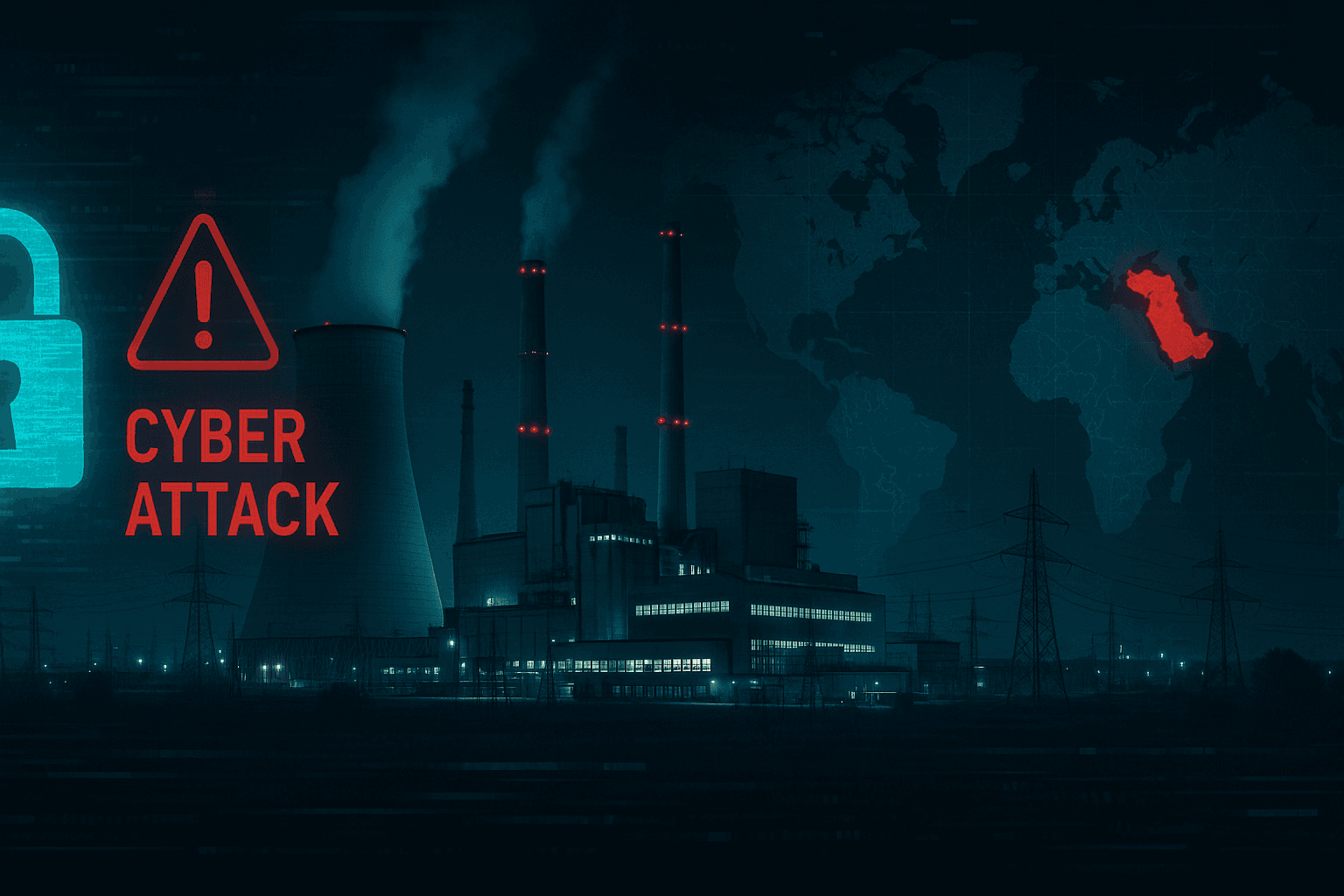
The recent targeting of a small power plant in the UK serves as a stark reminder of how vulnerable essential services can be. Similar incidents have previously demonstrated the capacity of cyber adversaries to disrupt operations, compromise sensitive data, and inflict financial damage. Understanding these threats is crucial for any organization aiming to fortify its defenses.
The Threat Landscape: Current State of Affairs
Cybersecurity threats continue to evolve, with nation-state actors like Iran increasingly engaging in sophisticated attacks. The global cybersecurity landscape is marked by a surge in state-sponsored cyber operations, with Iran being a notable participant. According to recent statistics, over 30% of critical infrastructure attacks in the past year have been attributed to state-sponsored actors.
The reported attack on the UK power plant fits into a pattern of Iranian cyber aggression, aimed at disrupting critical services and sowing discord. This trend raises significant concerns for industries reliant on digital infrastructure, emphasizing the need for heightened vigilance and robust cybersecurity postures.
Recent patterns suggest that Iranian cyber actors target sectors such as energy, financial services, and healthcare. These industries are particularly vulnerable due to their reliance on interconnected digital systems, making them attractive targets for cyber intrusions.
Technical Deep Dive: How the Attack Works
The Iranian cyberattack on the UK power plant involved sophisticated techniques designed to exploit vulnerabilities in industrial control systems (ICS). Attackers employed spear-phishing campaigns to gain initial access, leveraging social engineering tactics to deceive employees into revealing credentials.
Once inside the network, the attackers deployed malware capable of manipulating ICS protocols, aiming to disrupt plant operations. Technical indicators of compromise (IOCs) include specific IP addresses and domain names used to communicate with command and control servers.
An example of the malware script used in the attack includes command sequences that override safety systems, posing a direct threat to operational safety. The attackers exploited known vulnerabilities (CVE-2021-44228) to gain administrative privileges, allowing them to execute malicious code remotely.
Impact Assessment: Who Is Affected and How
The ramifications of such cyberattacks are far-reaching, affecting multiple sectors reliant on critical infrastructure. The energy sector, in particular, faces significant risks as disruptions can lead to widespread power outages and economic instability.
Financial implications include potential data breaches, resulting in the loss of sensitive information and hefty regulatory fines. The operational consequences extend to supply chain disruptions, affecting businesses dependent on uninterrupted service delivery.
Regulatory bodies are increasingly emphasizing compliance with cybersecurity frameworks, and failure to adhere can result in severe penalties. Organizations must prioritize security measures to protect customer data and maintain public trust.
Real-World Case Studies
Past incidents, such as the 2015 Ukrainian power grid attack, provide valuable lessons in understanding the impact of cyber threats on critical infrastructure. In that case, attackers used similar tactics to disrupt electricity supply, highlighting the effectiveness of coordinated cyber operations.
The outcomes of previous attacks emphasize the importance of enhancing cybersecurity resilience. Organizations must analyze these case studies to identify vulnerabilities and implement robust protective measures.
Mitigation Strategies: Protecting Your Organization
Organizations must adopt a multi-layered security approach to safeguard against such threats. Immediate actions include conducting comprehensive security assessments to identify and mitigate vulnerabilities. Implementing intrusion detection systems (IDS) and endpoint protection solutions can provide early threat detection.
Short-term measures involve updating and patching software regularly, alongside employee training programs to raise awareness about social engineering tactics. Long-term strategic improvements should focus on developing incident response plans and investing in advanced threat intelligence solutions.
Specific tools such as Security Information and Event Management (SIEM) systems enable organizations to monitor network activities and detect anomalies in real-time. Configuration recommendations include segmenting networks to limit lateral movement and enforcing strict access controls.
Detection and Response
Effective detection methods are crucial in identifying signs of compromise early. Indicators include unusual network traffic patterns and unauthorized access attempts. Organizations should implement robust logging and monitoring systems to capture and analyze potential threats.
Incident response procedures should be clearly defined, with teams ready to act swiftly to contain and remediate threats. Forensic considerations involve preserving evidence for analysis and understanding the attack vectors used.
Expert Insights: Industry Perspective
Experts predict that nation-state cyberattacks will continue to rise, driven by geopolitical tensions and technological advancements. The threat landscape is evolving, with attackers employing increasingly sophisticated techniques.
Security teams must prepare for these challenges by staying informed about emerging threats and investing in advanced cybersecurity solutions. Collaboration with industry peers and sharing threat intelligence can enhance collective defense capabilities.
Conclusion: Key Takeaways
In light of the recent cyber threats, organizations must bolster their cybersecurity defenses to protect critical infrastructure. Understanding the nature of these threats and implementing comprehensive security measures is vital for maintaining operational integrity.
- Enhance threat detection systems to identify early signs of compromise.
- Conduct regular security assessments and patch vulnerabilities promptly.
- Invest in employee training to mitigate social engineering risks.
- Develop and test incident response plans regularly.
- Collaborate with industry partners to share threat intelligence.
Discussion
Share Your Thoughts
Loading comments...
Stay Updated
Subscribe to our newsletter for the latest cybersecurity insights, threat intelligence, and security best practices.