
Iranian Hackers Breach FBI Director’s Email: A Wake-Up Call for Cybersecurity
Unveiling Nation-State Threats in the Digital Era
Executive Summary
Iran-linked hackers recently breached the personal email account of the FBI director, resulting in a significant leak of sensitive documents. This incident underscores the escalating threat posed by nation-state hackers and the urgent need for enhanced cybersecurity measures. Organizations must prioritize threat intelligence and incident response capabilities to mitigate such risks effectively.
Introduction: Understanding the Threat
The recent breach of the FBI director's personal email by Iran-linked hackers marks a pivotal moment in the cybersecurity landscape. In an era where digital communications have become the backbone of organizational operations, securing these channels is paramount. Such breaches not only compromise individual privacy but also pose significant risks to national security.
Historically, nation-state actors have targeted high-profile individuals to gain strategic advantages. This incident is reminiscent of previous attacks where personal accounts of key figures were infiltrated, leading to data leaks and diplomatic tensions. Understanding the motivations and methodologies of these actors is crucial for developing effective defense strategies.
The Threat Landscape: Current State of Affairs
The cybersecurity landscape is witnessing a surge in sophisticated attacks, particularly from nation-state actors. According to recent studies, nation-state cyber operations have increased by 40% in the past year alone. These actors target government officials, corporations, and critical infrastructure to extract valuable intelligence and disrupt operations.
This breach fits into a broader pattern of cyber espionage and information warfare. Similar incidents, such as the SolarWinds attack, have demonstrated the potential damage these actors can inflict. The convergence of geopolitical tensions and advanced cyber capabilities has created a volatile environment where every organization is a potential target.
Technical Deep Dive: How the Attack Works
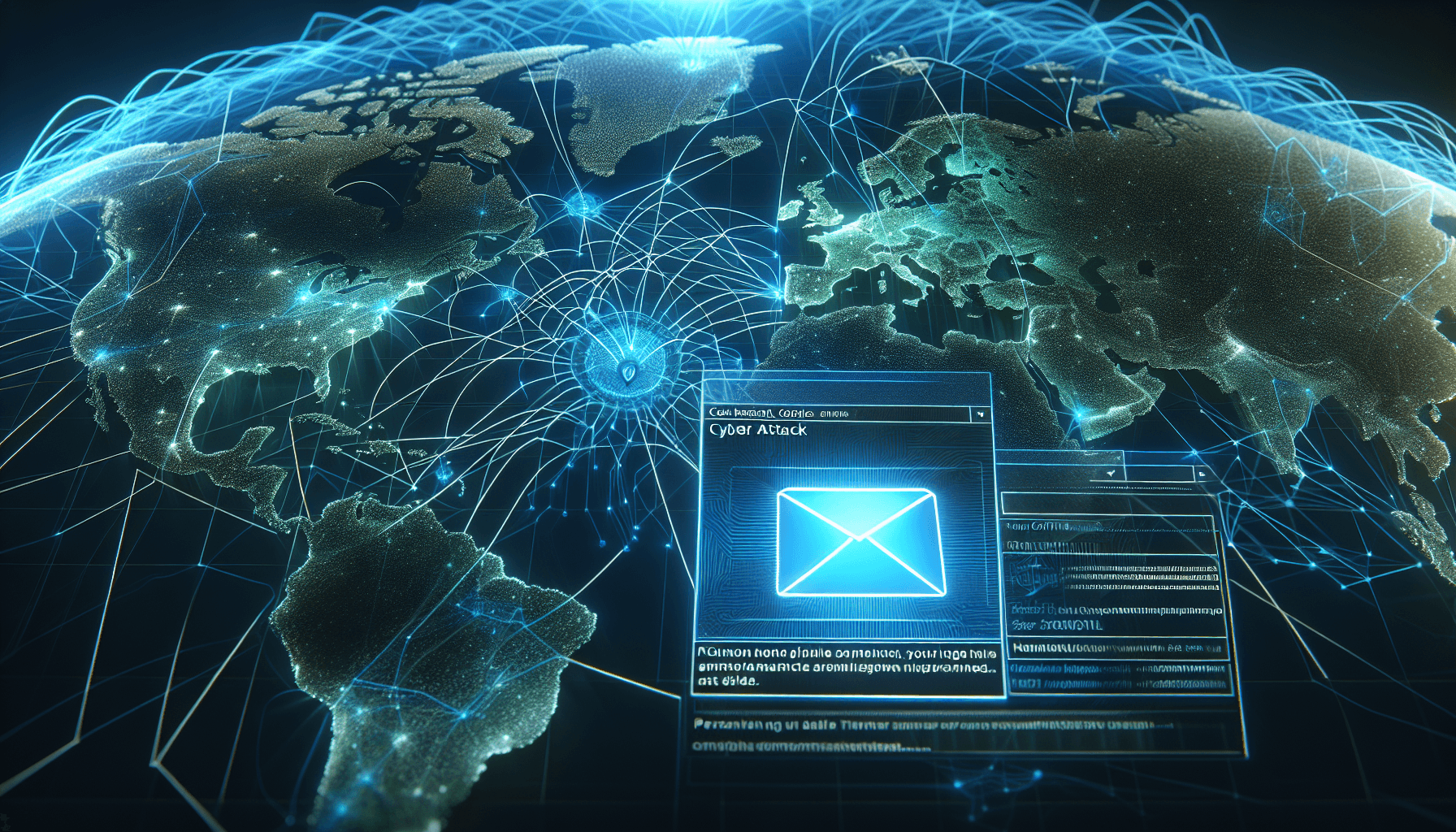
The attack on the FBI director's email likely involved spear-phishing techniques to gain initial access. These targeted emails are crafted to appear legitimate, often impersonating trusted contacts or organizations. Once the target engages, malware is deployed to harvest credentials and infiltrate the account.
The hackers may have used advanced persistent threats (APTs) to maintain a foothold within the system, allowing for prolonged access and data exfiltration. Indicators of compromise (IOCs) include unusual login locations, unexpected data transfers, and unauthorized access attempts.
Impact Assessment: Who Is Affected and How
The breach's immediate impact is the exposure of sensitive documents, potentially compromising national security. Such incidents can erode public trust in governmental institutions and have far-reaching diplomatic consequences.
Financially, organizations involved in remediation efforts may incur significant costs. Additionally, the regulatory implications are profound, with potential penalties for failing to safeguard sensitive information.
Real-World Case Studies
Similar past incidents, like the hacking of high-ranking government officials' accounts, have shown the devastating impact of such breaches. The 2016 compromise of a political party's email servers led to widespread data leaks, influencing public opinion and election outcomes.
These case studies highlight the importance of robust cybersecurity frameworks and the need for continuous monitoring and threat intelligence sharing.
Mitigation Strategies: Protecting Your Organization
Organizations must implement multifactor authentication (MFA) to secure email accounts and enhance access controls. Regular security awareness training can help employees recognize and avoid phishing attempts.
Investing in threat intelligence platforms can provide insights into emerging threats, while continuous monitoring and anomaly detection systems can identify suspicious activities early. Long-term, developing a comprehensive incident response plan is crucial for minimizing damage and ensuring swift recovery.
Detection and Response
Organizations should employ advanced detection technologies to identify signs of compromise, such as unusual access patterns or unauthorized data transfers. Automated alerts and incident response protocols can ensure timely intervention.
Forensic analysis plays a critical role in understanding the attack vectors and preventing future incidents. Collaboration with law enforcement and cybersecurity experts can aid in the investigation and mitigation process.
Expert Insights: Industry Perspective
Experts predict an increase in nation-state cyber activities, driven by geopolitical tensions and technological advancements. Organizations must stay vigilant and adapt to the evolving threat landscape by investing in cutting-edge security solutions.
Future trends suggest a shift towards more sophisticated attack methodologies, emphasizing the need for proactive security postures and continuous innovation in defense strategies.
Conclusion: Key Takeaways
This breach serves as a stark reminder of the vulnerabilities inherent in digital communications. Organizations must prioritize cybersecurity to protect sensitive information and maintain operational integrity.
- Implement multifactor authentication and access controls
- Conduct regular security awareness training
- Invest in threat intelligence and monitoring solutions
- Develop a comprehensive incident response plan
- Collaborate with cybersecurity experts and law enforcement
Discussion
Share Your Thoughts
Loading comments...
Stay Updated
Subscribe to our newsletter for the latest cybersecurity insights, threat intelligence, and security best practices.