

Japanese Frozen Food Giant Halted by Cyberattack: Lessons Learned
Understanding and Mitigating Modern Cyber Threats
Executive Summary
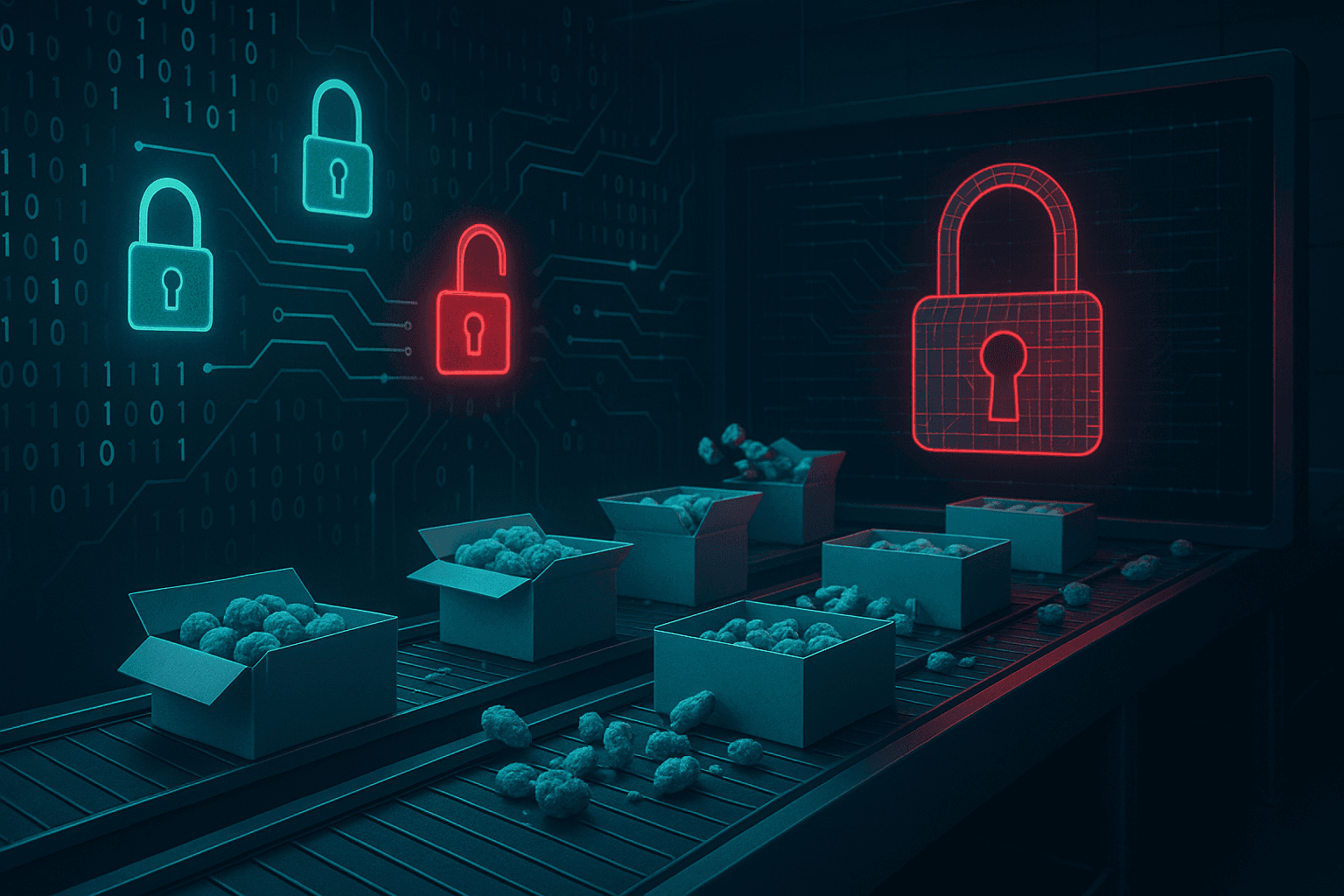
A recent cyberattack significantly disrupted the operations of Nichirei, a leading Japanese frozen food company. This incident underscores the ongoing vulnerability of supply chains to cyber threats. Organizations are urged to implement comprehensive cybersecurity measures and establish rapid incident response strategies to protect against similar attacks.
Introduction: Understanding the Threat
The cyberattack on Nichirei serves as a stark reminder of the vulnerabilities that organizations face in the digital age. As cybercriminals become more sophisticated, the risks to critical infrastructure, such as food supply chains, have increased. Understanding the nuances of these threats is crucial for safeguarding operations.
Cyberattacks on supply chains can lead to significant disruptions, affecting not only the targeted company but also its partners and customers. The attack on Nichirei is not an isolated incident; similar threats have targeted various industries, underscoring the need for robust cybersecurity frameworks.
The Threat Landscape: Current State of Affairs
The cybersecurity landscape is increasingly complex, with attackers employing advanced tactics to exploit vulnerabilities. According to recent statistics, supply chain attacks have surged by 42% in the last year alone, emphasizing the need for vigilance.
Industry trends indicate that cybercriminals are targeting sectors with critical infrastructure, such as food and logistics, due to their potential for widespread impact. This trend is exemplified by the attack on Nichirei, which aligns with a broader pattern of targeting essential services.
Technical Deep Dive: How the Attack Works
The attack on Nichirei likely involved sophisticated techniques designed to infiltrate and disrupt their systems. Common attack vectors include phishing, ransomware, and exploiting unpatched vulnerabilities. These methods can provide attackers with unauthorized access to sensitive systems.
Technical indicators of compromise (IOCs) may include unusual login attempts, unexpected data transfers, and unauthorized system changes. Organizations should monitor these signs closely to detect and mitigate threats promptly.
Impact Assessment: Who Is Affected and How
The immediate impact of the Nichirei attack was operational disruption, affecting production and supply chain continuity. Such incidents can lead to financial losses, reputational damage, and increased scrutiny from regulatory bodies.
In the case of Nichirei, the food industry faces unique challenges, as disruptions can directly impact consumer safety and confidence. Compliance with regulations such as GDPR and other data protection laws is also critical in mitigating potential legal repercussions.
Real-World Case Studies
Similar incidents have occurred in the past, such as the ransomware attack on JBS, a global meat processing company. The JBS attack led to significant operational halts and highlighted the need for comprehensive cybersecurity strategies.
By examining these cases, organizations can glean valuable insights into effective mitigation strategies and the importance of resilience planning.
Mitigation Strategies: Protecting Your Organization
Organizations must adopt a multi-faceted approach to cybersecurity, incorporating both short-term and long-term strategies. Immediate actions include conducting thorough system audits to identify vulnerabilities and implementing robust access controls.
Long-term improvements involve investing in advanced threat detection technologies, employee training programs, and developing incident response plans. Tools such as intrusion detection systems (IDS) and endpoint protection platforms are essential components of a comprehensive security posture.
Detection and Response
Early detection is critical in mitigating the impact of cyberattacks. Organizations should implement continuous monitoring systems to identify potential threats in real-time.
Incident response plans should be well-defined, outlining procedures for containment, eradication, and recovery. Conducting regular drills can ensure that teams are prepared to respond effectively to real-world incidents.
Expert Insights: Industry Perspective
Experts predict that cyber threats will continue to evolve, with attackers leveraging artificial intelligence and machine learning to enhance their tactics. Organizations must stay informed about emerging threats and adapt their security strategies accordingly.
Security teams should focus on building a proactive cybersecurity culture, emphasizing the importance of vigilance and continuous improvement.
Conclusion: Key Takeaways
The Nichirei cyberattack highlights the critical importance of robust cybersecurity measures in protecting supply chains. By understanding the threat landscape and implementing effective mitigation strategies, organizations can safeguard their operations against future attacks.
- Invest in comprehensive cybersecurity frameworks.
- Conduct regular system audits to identify vulnerabilities.
- Implement advanced threat detection technologies.
- Develop and practice incident response plans.
- Stay informed about emerging cyber threats.
Discussion
Share Your Thoughts
Loading comments...
Stay Updated
Subscribe to our newsletter for the latest cybersecurity insights, threat intelligence, and security best practices.