

Massive Data Breach Hits SafePal: 40,000 Users Exposed
Understanding the Implications of the SafePal Breach
Executive Summary
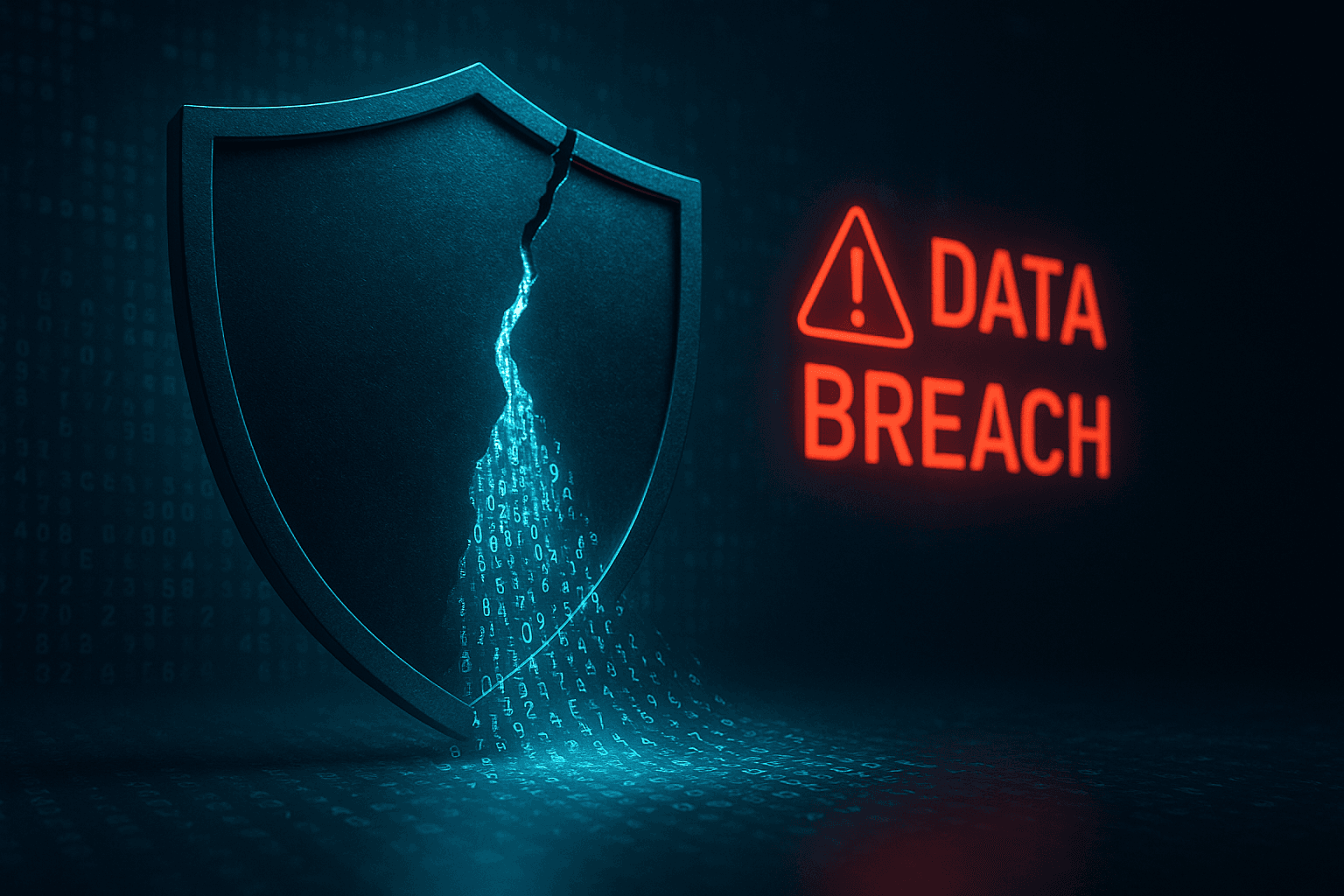
Hackers exploited a vulnerability in SafePal's order-tracking plugin, compromising 40,000 user records. This breach underscores the critical importance of securing third-party components within your digital infrastructure. Organizations are urged to conduct rigorous security assessments and implement comprehensive data protection measures to mitigate similar threats.
Introduction: Understanding the Threat
In an era where digital transactions are integral to business operations, data security is paramount. The recent breach at SafePal serves as a stark reminder of the vulnerabilities that persist in the digital landscape. This incident, involving the compromise of 40,000 user records, highlights the risks associated with third-party plugins and underscores the need for heightened vigilance in cybersecurity practices.
Historically, vulnerabilities in third-party components have been a common attack vector for cybercriminals. Notable incidents, such as the Equifax breach, where attackers exploited a vulnerability in a web application framework, illustrate the potential for widespread damage. SafePal's breach is the latest in a series of attacks targeting plugin vulnerabilities, emphasizing the ongoing challenge for organizations to secure all facets of their IT infrastructure.
The Threat Landscape: Current State of Affairs
The cybersecurity landscape is constantly evolving, with attackers continuously seeking new vulnerabilities to exploit. According to a recent study, over 60% of data breaches involve vulnerabilities in third-party components, highlighting the critical nature of securing these elements. The SafePal breach is emblematic of this trend, as hackers increasingly target plugins and extensions to bypass traditional security measures.
Industry statistics reveal a significant uptick in attacks exploiting plugin vulnerabilities, with a 30% increase reported in the past year alone. This trend aligns with broader patterns of cyber threats, where attackers leverage unpatched or poorly configured components to gain unauthorized access to sensitive data. The SafePal incident adds to the growing list of breaches, prompting organizations to reassess their cybersecurity strategies.
Technical Deep Dive: How the Attack Works
At the heart of the SafePal breach was a vulnerability within the order-tracking function of a plugin. This weakness allowed attackers to execute unauthorized actions, leading to the compromise of customer information. The attack likely involved a combination of SQL injection and cross-site scripting (XSS) techniques, commonly used to exploit input validation flaws in web applications.
Technical indicators of compromise (IOCs) for this attack include unusual database queries and suspicious script activity within the order-tracking module. Organizations are advised to monitor for these signs and employ robust logging and monitoring tools to detect anomalous behavior promptly.
While specific CVE identifiers for the vulnerability have not been disclosed, the attack highlights the importance of maintaining up-to-date software and regularly auditing third-party components. By identifying and patching vulnerabilities promptly, organizations can significantly reduce their exposure to similar threats.
Impact Assessment: Who Is Affected and How
The breach primarily affects users of SafePal's services, with 40,000 records compromised. The impacted data may include personal information such as names, addresses, and transaction details, posing significant privacy and security risks to affected individuals. Industries reliant on cryptocurrency transactions, given SafePal's focus, may also face reputational and operational challenges.
From a financial standpoint, the breach could lead to substantial costs for SafePal, including potential regulatory fines, legal fees, and customer compensation. The incident also raises compliance concerns, particularly with regulations like the General Data Protection Regulation (GDPR), which mandates stringent data protection measures for organizations handling EU citizens' data.
Real-World Case Studies
The SafePal breach is reminiscent of similar incidents, such as the Shopify data breach in 2020, where rogue employees exploited vulnerabilities in the platform's plugins to access customer data. Lessons from these past incidents highlight the importance of rigorous internal controls and continuous monitoring of third-party components to prevent unauthorized access.
Mitigation Strategies: Protecting Your Organization
Organizations can protect themselves from similar threats by implementing a multi-layered security approach. Immediate actions include conducting comprehensive security audits of all third-party components and patching identified vulnerabilities promptly.
Short-term measures involve enhancing access controls and employing web application firewalls (WAFs) to mitigate malicious traffic. Long-term strategic improvements should focus on fostering a security-centric culture, emphasizing the importance of regular training and awareness programs for employees.
Specific tools and technologies, such as automated vulnerability scanners and advanced threat detection systems, can provide valuable insights into potential risks and enable proactive threat management. Configuration recommendations include enforcing strict input validation and employing encryption to protect sensitive data.
Detection and Response
Detecting signs of compromise early is crucial in minimizing the impact of a data breach. Organizations should establish robust detection methods, including real-time monitoring and anomaly detection systems, to identify suspicious activities swiftly.
Incident response procedures must be clearly defined, with roles and responsibilities outlined to ensure a coordinated and effective response. Forensic considerations, such as preserving evidence and conducting thorough investigations, are essential in understanding the breach's scope and preventing future incidents.
Expert Insights: Industry Perspective
Industry experts predict that attacks on third-party components will continue to rise, driven by the increasing complexity of digital ecosystems. As organizations adopt more plugins and extensions to enhance functionality, the need for comprehensive security measures becomes paramount.
Security teams should prepare for evolving threats by investing in advanced threat intelligence capabilities and fostering collaboration with industry partners to share best practices and insights. By staying informed and proactive, organizations can better navigate the dynamic threat landscape.
Conclusion: Key Takeaways
The SafePal breach underscores the critical need for robust security measures in today's digital landscape. Organizations must prioritize plugin security, conduct regular audits, and implement comprehensive data protection strategies to safeguard against similar threats.
- Conduct comprehensive security assessments of third-party components.
- Implement multi-layered security measures and advanced threat detection systems.
- Enhance access controls and employ encryption to protect sensitive data.
- Invest in regular training and awareness programs for employees.
- Establish clear incident response procedures and forensic protocols.
Discussion
Share Your Thoughts
Loading comments...
Stay Updated
Subscribe to our newsletter for the latest cybersecurity insights, threat intelligence, and security best practices.