

Massive Data Breach Hits UK Airports: What You Need to Know
Protect Your Organization from Similar Threats
Executive Summary
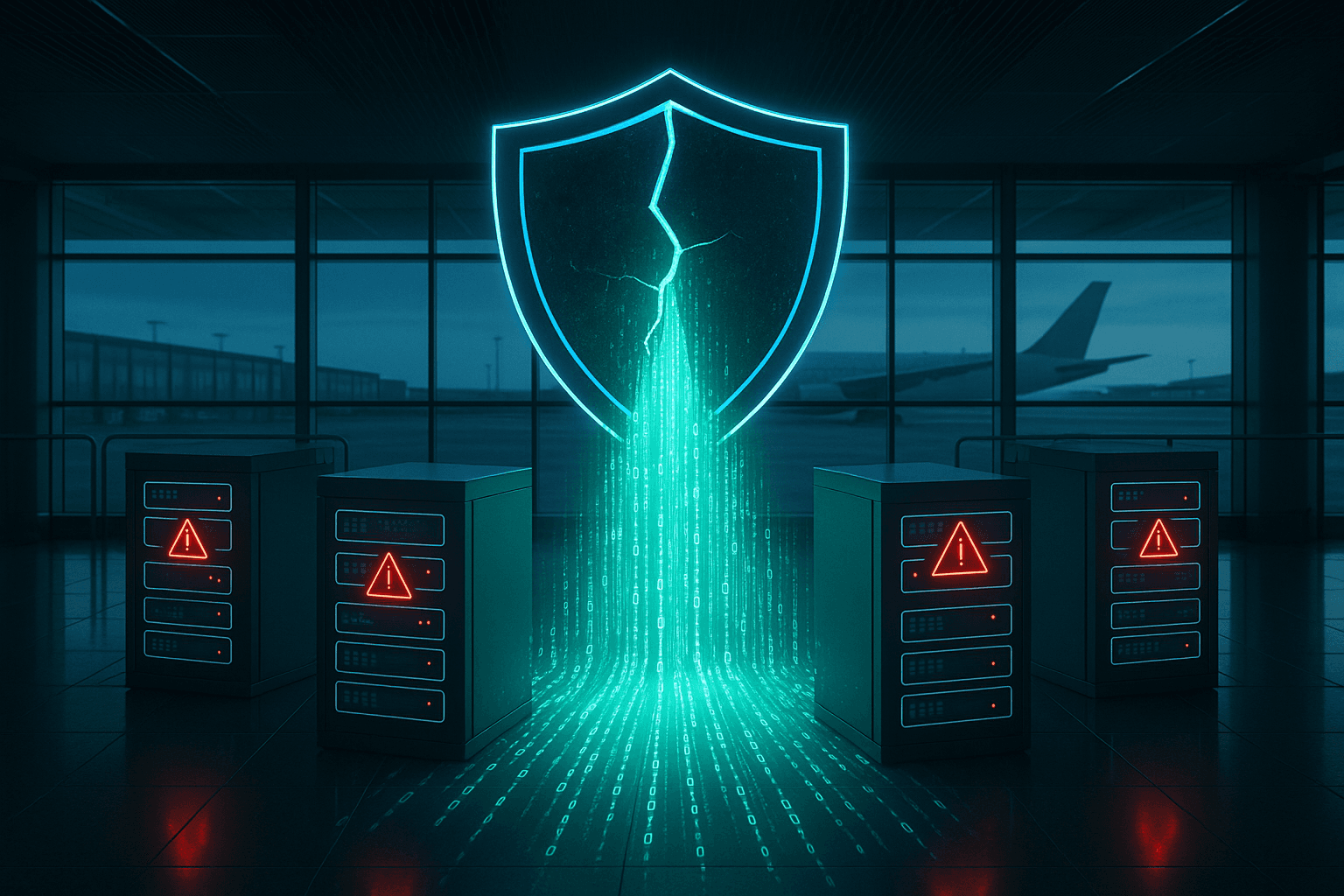
Manchester Airports Group experienced a significant data breach affecting millions of customers. This incident highlights the increasing threat of cyberattacks on critical infrastructure. Organizations must bolster their cybersecurity measures to prevent similar breaches.
Introduction: Understanding the Threat
The recent breach at Manchester Airports Group (MAG) underscores the vulnerability of critical infrastructure to cyber threats. With millions of customers' data compromised, the incident serves as a stark reminder of the risks facing organizations today. As airports manage sensitive personal and financial information, they are prime targets for cybercriminals seeking lucrative data. Understanding the nature and impact of such breaches is crucial for organizations to safeguard their systems.
Historically, airports have been targeted by cyberattacks due to the vast amount of data they handle. Similar incidents in the past have shown that the aviation sector remains a high-value target for attackers. The breach at MAG is not an isolated event but part of a broader trend of increasing cyber threats against critical infrastructure.
The Threat Landscape: Current State of Affairs
The cybersecurity landscape is evolving rapidly, with attackers employing sophisticated methods to breach systems. According to recent industry reports, cyberattacks on critical infrastructure have increased by over 30% in the past year. Airports, in particular, are vulnerable due to their reliance on complex IT systems and the sensitive nature of the information they manage.
Other recent incidents, such as the attacks on Atlanta's Hartsfield-Jackson and San Francisco International Airport, demonstrate a pattern of targeting aviation hubs. These breaches often involve data theft, ransomware, and disruption of services, causing significant operational and financial damage.
This trend highlights the need for robust cybersecurity measures across the aviation sector. As attackers become more adept at exploiting vulnerabilities, organizations must stay ahead by understanding current threats and implementing effective defenses.
Technical Deep Dive: How the Attack Works
The attack on MAG likely involved multiple attack vectors, including phishing, malware, and exploitation of vulnerabilities in airport systems. Phishing remains a common method for initial access, with attackers sending deceptive emails to airport staff to gain credentials.
Once inside the network, attackers can deploy malware to escalate privileges and move laterally across systems. Malware such as Emotet and TrickBot are often used to exfiltrate data or deploy ransomware. In the case of MAG, the attackers may have used similar tools to access customer data.
Indicators of compromise (IOCs) for such attacks include unusual network activity, unauthorized data access, and deployment of known malware variants. Organizations should monitor for these signs to detect and respond to breaches promptly.
Vulnerabilities in airport systems, such as unpatched software or misconfigured servers, can also be exploited by attackers. Ensuring systems are up-to-date with the latest patches is critical to reducing the attack surface.
Impact Assessment: Who Is Affected and How
The breach at MAG has widespread implications, affecting millions of customers who use the airports under its management. The stolen data may include personal information, financial details, and travel itineraries, posing a risk of identity theft and fraud.
Affected industries include travel, hospitality, and financial sectors, which may face increased threats as attackers leverage stolen data for further attacks. The breach could also harm customer trust and result in significant reputational damage for MAG.
From a financial perspective, the costs associated with data breaches can be substantial. Organizations may face regulatory fines, legal fees, and the expense of implementing post-breach security measures. Compliance with regulations such as GDPR is crucial to minimizing legal repercussions.
Real-World Case Studies
Similar breaches in the aviation sector, such as the attack on British Airways in 2018, provide valuable lessons. In that case, attackers exploited vulnerabilities in the airline's website to steal customer data, resulting in a hefty GDPR fine.
Another notable incident involved San Francisco International Airport, where attackers gained access to employee credentials through a phishing campaign. The breach highlighted the importance of employee training and awareness in preventing cyberattacks.
Mitigation Strategies: Protecting Your Organization
Organizations must implement a multi-layered approach to cybersecurity to defend against data breaches. Immediate actions include conducting a thorough security audit and patching vulnerabilities in IT systems. Implementing strong identity and access management (IAM) controls can prevent unauthorized access to sensitive data.
Short-term measures include enhancing employee training programs to raise awareness about phishing and social engineering tactics. Regular security drills can help staff recognize and respond to potential threats.
Long-term strategic improvements involve adopting advanced security technologies such as artificial intelligence and machine learning for threat detection. These tools can identify anomalies in network traffic and alert security teams to potential breaches.
Organizations should also consider deploying encryption to protect sensitive data at rest and in transit. Implementing network segmentation can limit the lateral movement of attackers, reducing the impact of breaches.
Detection and Response
Effective detection and response are critical to minimizing the impact of data breaches. Organizations should deploy security information and event management (SIEM) solutions to monitor network activity and detect suspicious behavior.
Signs of compromise to watch for include unusual login attempts, data exfiltration, and unauthorized access to systems. Incident response procedures should be clearly defined, with a focus on rapid containment and remediation.
Expert Insights: Industry Perspective
Experts predict that the threat landscape will continue to evolve, with attackers targeting critical infrastructure more frequently. As cyber threats become more sophisticated, organizations must prioritize cybersecurity and invest in advanced technologies to stay ahead.
Security teams should prepare for the increasing use of AI and machine learning by attackers, which can automate and enhance cyberattacks. Staying informed about emerging threats and trends is essential for effective defense.
Conclusion: Key Takeaways
The Manchester Airports Group breach highlights the urgent need for organizations to strengthen their cybersecurity posture. Key takeaways include:
- Conduct regular security audits and patch vulnerabilities promptly.
- Enhance employee training to recognize phishing and social engineering tactics.
- Implement strong IAM controls and data encryption.
- Deploy advanced threat detection technologies such as AI and machine learning.
- Develop and practice incident response procedures for rapid breach containment.
Discussion
Share Your Thoughts
Loading comments...
Stay Updated
Subscribe to our newsletter for the latest cybersecurity insights, threat intelligence, and security best practices.