

MikroTik Routers Under Siege: Unauthenticated SSH Exploits
How attackers are gaining control and what organizations can do
Executive Summary
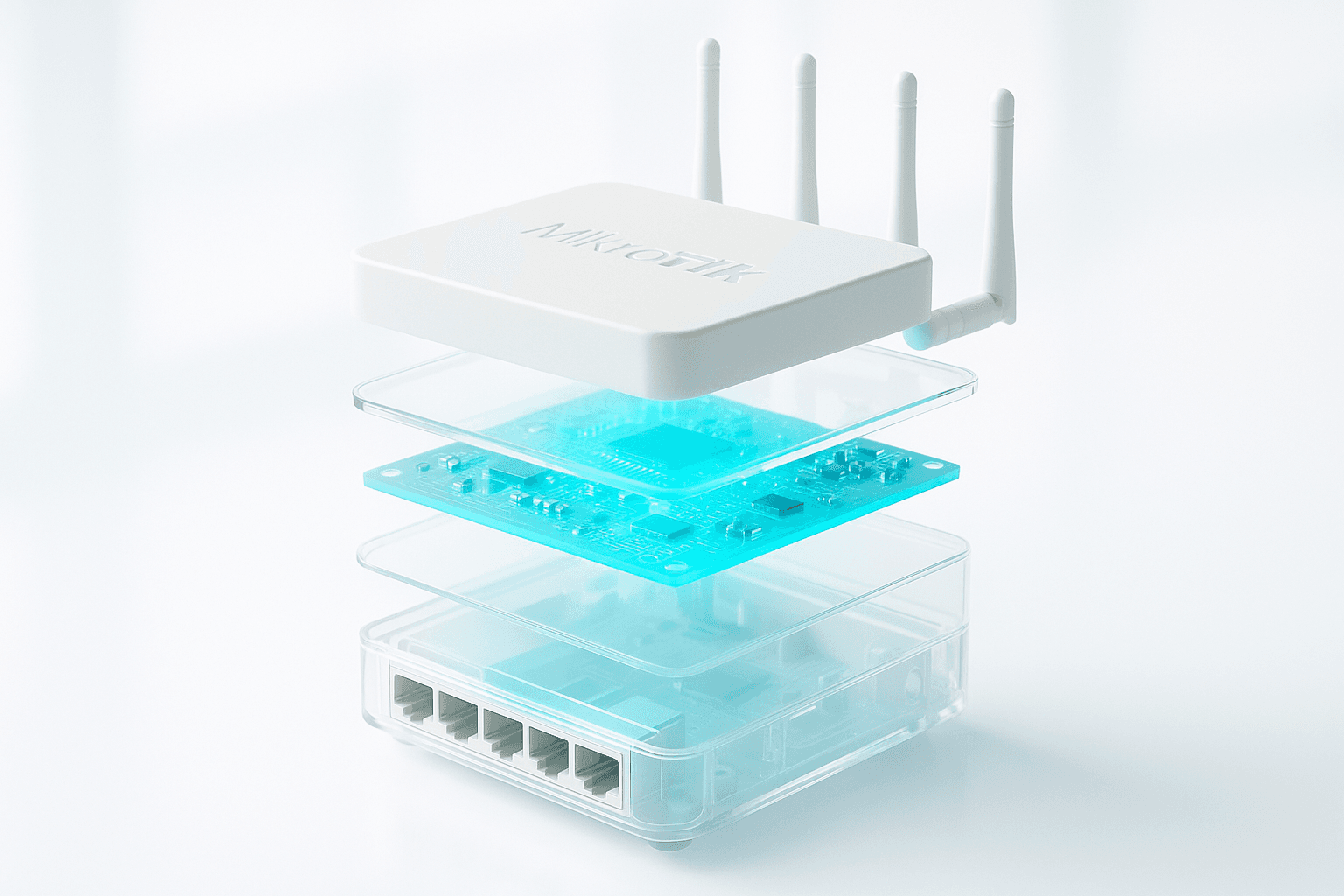
Attackers are exploiting MikroTik routers through their internet-exposed Secure Shell (SSH) service, gaining full administrative control without needing authentication. This poses a significant threat to organizations using these routers, leading to potential data breaches and operational disruptions. Immediate security patches and robust network security measures are crucial to mitigate this vulnerability.
Introduction: Understanding the Threat
In the rapidly evolving landscape of cybersecurity threats, vulnerabilities in widely-used devices like routers can have far-reaching consequences. The recent exploitation of MikroTik routers through unauthenticated SSH access underscores the critical importance of securing network infrastructure. This threat is a stark reminder of the evolving tactics employed by cyber attackers, who are constantly seeking out weak points in organizational defenses.
Historically, routers have been a frequent target for cybercriminals due to their critical role in network connectivity. Previous incidents, such as the VPNFilter malware attack in 2018, highlighted the potential for routers to be commandeered as part of larger botnets, causing widespread disruption. The current MikroTik vulnerability is another chapter in this ongoing saga, demanding immediate attention from security professionals.
The Threat Landscape: Current State of Affairs
The cybersecurity landscape is perpetually dynamic, with new threats emerging regularly. According to recent industry reports, network devices account for a significant percentage of all exploited vulnerabilities, underscoring their attractiveness as targets. The exploitation of MikroTik routers is particularly concerning given their widespread use in enterprises and critical infrastructure.
Recent statistics reveal a surge in attacks targeting SSH services exposed to the internet, with attackers leveraging automated tools to identify and exploit vulnerable systems. This fits into a broader pattern of increased sophistication in cyberattacks, with adversaries using advanced techniques to bypass traditional security defenses.
In 2023 alone, there have been several high-profile incidents involving router vulnerabilities, including the exploitation of Cisco devices leading to data breaches in multiple sectors. The current MikroTik situation is a continuation of this trend, highlighting the urgent need for robust security measures.
Technical Deep Dive: How the Attack Works
The exploitation of MikroTik routers involves targeting the SSH remote-access service, which, when exposed to the internet, can be accessed without proper authentication. Attackers leverage this vulnerability to gain administrative control, allowing them to alter configurations, intercept data, and potentially deploy malicious payloads.
The attack vector involves scanning for MikroTik devices with exposed SSH ports, followed by the use of specially crafted packets to bypass authentication mechanisms. Indicators of compromise (IOCs) include unusual SSH connection attempts, modifications to router configurations, and unexpected traffic patterns.
Technical analysis reveals that the vulnerability may involve flaws in the SSH implementation or default configurations that fail to enforce adequate authentication protocols. While there are no specific CVE numbers associated with this exploit, the impact is nonetheless severe, warranting immediate attention and remediation.
Security teams should monitor network logs for signs of unauthorized SSH access and implement strict access controls to mitigate the risk of exploitation. Regular updates and patches from MikroTik are also essential to address potential vulnerabilities.
Impact Assessment: Who Is Affected and How
The industries most affected by this vulnerability include telecommunications, financial services, and public sector organizations, all of which rely heavily on MikroTik routers for network connectivity. The potential for data breaches and operational disruptions is significant, with attackers able to intercept sensitive information and disrupt critical services.
Financially, the consequences of such breaches can be severe, with costs associated with incident response, regulatory fines, and reputational damage. Operationally, the unauthorized control of network infrastructure can lead to service outages and compromised communication channels.
From a compliance perspective, organizations may face challenges in meeting data protection regulations if vulnerabilities are not addressed promptly. Regulatory bodies are increasingly scrutinizing cybersecurity practices, and failure to secure network devices can result in substantial penalties.
Real-World Case Studies
A notable past incident involves the 2018 VPNFilter malware attack, which compromised over half a million routers worldwide, including MikroTik devices. The attack demonstrated the potential for routers to be used as launch pads for broader cyber campaigns, causing widespread disruption.
Another example is the exploitation of Cisco devices in 2023, which led to data breaches in multiple sectors. These incidents highlight the critical need for proactive security measures and the importance of staying informed about emerging threats.
Mitigation Strategies: Protecting Your Organization
To mitigate the risk posed by the MikroTik vulnerability, organizations should begin by auditing their network devices to identify any exposed SSH services. Implementing strict firewall rules and access controls can prevent unauthorized access.
Short-term measures include applying available firmware updates from MikroTik, which may address known vulnerabilities. Additionally, disabling unused services and changing default configurations can reduce the attack surface.
Long-term strategies involve adopting a zero-trust security model, which emphasizes continuous monitoring and verification of all network access. Investing in advanced threat detection tools can also enhance an organization's ability to identify and respond to potential threats.
Security teams should consider deploying intrusion detection systems (IDS) and intrusion prevention systems (IPS) to detect and block malicious activities. Regular security awareness training for staff can also help prevent social engineering attacks that may exploit network vulnerabilities.
Detection and Response
Detecting an unauthorized SSH access attempt involves monitoring network logs for unusual patterns, such as repeated connection attempts or connections from unfamiliar IP addresses. Implementing real-time alerts can enable rapid response to potential security incidents.
In the event of a detected breach, organizations should follow a comprehensive incident response plan that includes isolating affected devices, conducting forensic analysis, and communicating with stakeholders. Thorough documentation of the incident can aid in future prevention efforts.
Expert Insights: Industry Perspective
Experts predict that vulnerabilities in network devices will continue to be a significant concern, with attackers increasingly targeting IoT and edge devices. The evolving threat landscape requires security teams to stay vigilant and adapt to new tactics employed by cybercriminals.
As organizations transition to more digital and interconnected infrastructures, the importance of securing network entry points like routers becomes paramount. Future trends may see a shift towards more automated and AI-driven security solutions to address these challenges.
Conclusion: Key Takeaways
The exploitation of MikroTik routers highlights the critical need for robust security measures. Organizations must prioritize securing network devices to prevent unauthorized access and potential data breaches.
- Ensure all network devices have up-to-date firmware and security patches.
- Implement strict access controls and firewall rules to limit exposure.
- Adopt a zero-trust security model to enhance overall security posture.
- Invest in advanced threat detection and response tools.
- Provide regular security training to staff to prevent social engineering attacks.
By taking these steps, organizations can better protect their networks and mitigate the risks associated with emerging threats like the MikroTik vulnerability.
Discussion
Share Your Thoughts
Loading comments...
Stay Updated
Subscribe to our newsletter for the latest cybersecurity insights, threat intelligence, and security best practices.