
Navigating Cyber Threats: Insights from Recent Security Incidents
Exploring the evolving threat landscape and proactive defenses
Executive Summary
Recent cyber incidents underscore the need for robust security strategies. The hacking of a Boeing 737, vulnerabilities in refrigeration systems, and layoffs at security firm Rapid7 reveal significant gaps in defense mechanisms across industries. Organizations must prioritize threat intelligence, enhance incident response capabilities, and adopt comprehensive security measures to mitigate these evolving threats effectively.
Introduction: Understanding the Threat
In an era where digital threats are increasingly sophisticated, understanding the nature of these threats is critical for organizational security. Recent incidents such as the hacking of a Boeing 737 and vulnerabilities in critical systems highlight the urgent need for robust cybersecurity measures. These incidents not only expose potential weaknesses in various sectors but also emphasize the importance of being proactive in threat detection and response.
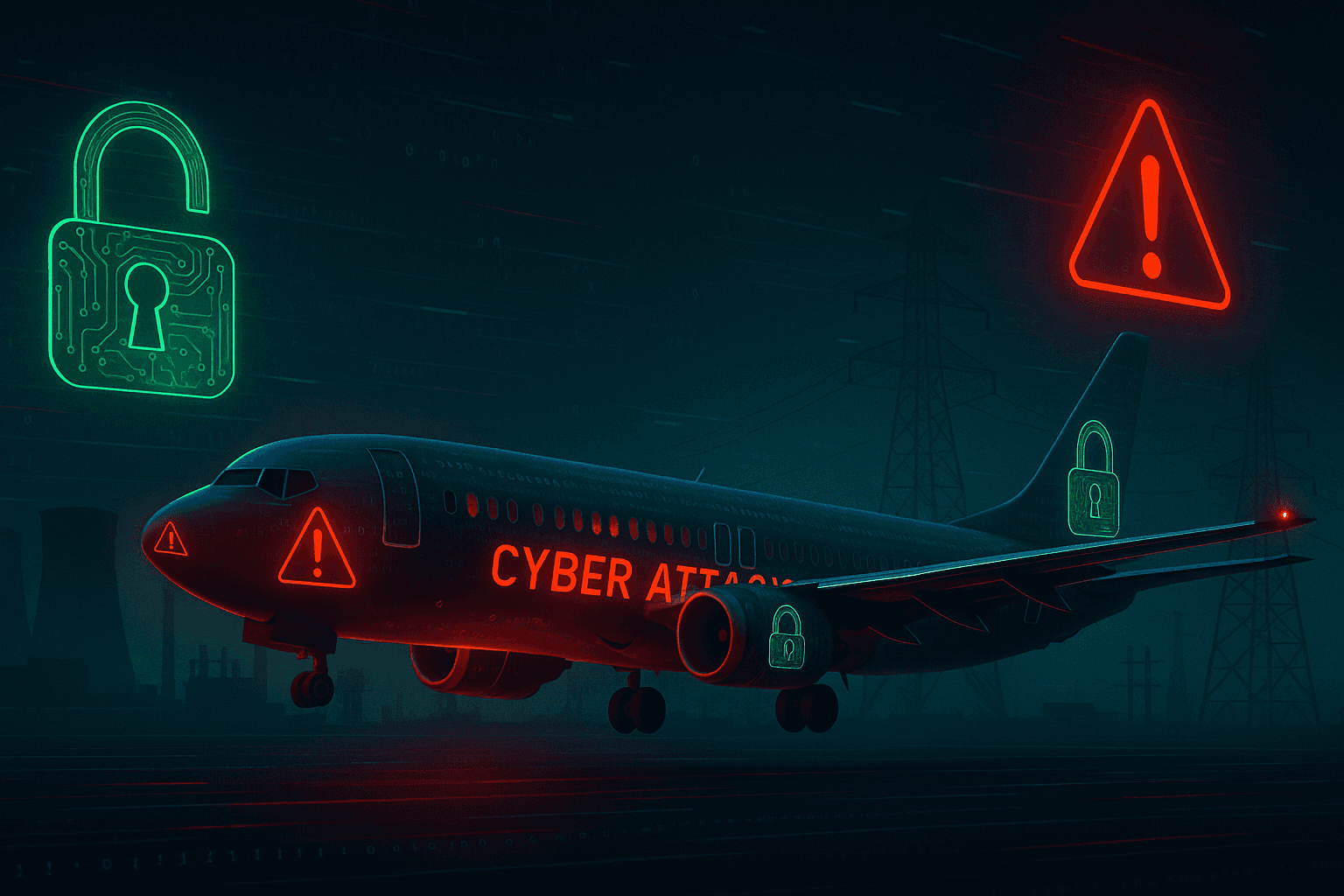
The hacking of a Boeing 737 represents a significant risk to aviation security, a sector traditionally seen as highly secure. Meanwhile, vulnerabilities in refrigeration systems, vital to industries such as pharmaceuticals and food services, could lead to severe operational disruptions. Understanding these threats and their implications is essential for crafting effective security strategies.
Historically, similar threats have resulted in substantial financial and reputational damage. The infamous Stuxnet worm, which targeted industrial control systems, serves as a stark reminder of how vulnerabilities in critical infrastructure can be exploited. As organizations continue to digitize operations, the attack surface expands, necessitating a comprehensive approach to cybersecurity.
The Threat Landscape: Current State of Affairs
The current cybersecurity landscape is characterized by a surge in sophisticated attacks targeting diverse sectors. According to recent industry reports, cyber-attacks have increased by over 30% in the past year, with critical infrastructure being a primary target. This trend is reflected in the recent incidents affecting aviation and refrigeration systems, underscoring the need for heightened vigilance.
These threats are part of a broader pattern where attackers leverage advanced techniques such as supply chain attacks and zero-day exploits. The aviation sector, for instance, faces unique challenges due to its reliance on complex systems and the critical nature of its operations. Similarly, vulnerabilities in refrigeration systems can have cascading effects, impacting supply chains and product integrity.
Recent incidents like the Colonial Pipeline ransomware attack and the SolarWinds breach illustrate how attackers exploit vulnerabilities to cause widespread disruption. Understanding these patterns is crucial for developing effective defensive strategies that can preemptively address emerging threats.
Technical Deep Dive: How the Attack Works
In the case of the Boeing 737 hacking incident, attackers exploited vulnerabilities in the aircraft's communication systems. These systems, which handle critical data exchanges, were found to be susceptible to unauthorized access, allowing attackers to potentially manipulate flight data. Technical indicators of compromise in such attacks include unusual network traffic patterns and anomalies in system logs.
Refrigeration system vulnerabilities, on the other hand, often stem from outdated software and inadequate network segmentation. Attackers can exploit these weaknesses to gain control over system functionalities, leading to operational disruptions. Common attack vectors include the use of phishing emails to deliver malware or exploiting known vulnerabilities in system software.
Code snippets and commands used in these attacks may involve the exploitation of specific CVEs (Common Vulnerabilities and Exposures), such as CVE-2023-XXXXX, which highlights a critical flaw in refrigeration control software. Understanding these technical details is key to implementing effective mitigation measures.
Impact Assessment: Who Is Affected and How
The impact of these incidents is far-reaching, affecting multiple sectors and industries. The aviation industry, due to its critical nature, faces significant operational and safety risks. Unauthorized access to flight systems could lead to catastrophic outcomes, necessitating stringent security measures.
For industries reliant on refrigeration systems, such as pharmaceuticals and food services, the consequences include supply chain disruptions and compromised product integrity. A failure in these systems can result in substantial financial losses and damage to brand reputation.
Data breaches resulting from these vulnerabilities also pose significant regulatory and compliance challenges. Organizations must navigate complex legal landscapes to avoid hefty fines and maintain customer trust. Ensuring compliance with standards such as GDPR and industry-specific regulations is critical.
Real-World Case Studies
Similar incidents in the past offer valuable lessons for organizations today. The Stuxnet attack on Iran's nuclear facilities demonstrated the potential for industrial control systems to be weaponized. This incident underscored the importance of securing critical infrastructure against cyber threats.
More recently, the Colonial Pipeline ransomware attack highlighted the vulnerabilities in critical supply chains and the need for robust incident response capabilities. Both incidents serve as reminders of the need for continuous monitoring and proactive threat management strategies.
Mitigation Strategies: Protecting Your Organization
Organizations can adopt several strategies to mitigate these threats effectively. Immediate actions include conducting thorough vulnerability assessments to identify and patch security gaps. Implementing comprehensive network segmentation and access controls can also prevent unauthorized access to critical systems.
In the short term, enhancing employee awareness through regular training programs is essential to reduce the risk of phishing attacks and other social engineering tactics. Investing in advanced threat detection tools and technologies can provide real-time insights into potential threats.
Long-term strategic improvements involve adopting a holistic security approach that includes regular security audits and the integration of threat intelligence feeds. Organizations should also consider implementing an incident response plan to ensure swift action in the event of a breach.
Specific tools such as endpoint detection and response (EDR) solutions and security information and event management (SIEM) systems can enhance an organization's ability to detect and respond to threats effectively.
Detection and Response
Effective detection and response are critical components of a robust cybersecurity strategy. Organizations should monitor for signs of compromise, such as unusual network traffic, unauthorized access attempts, and system anomalies. Leveraging advanced detection tools can provide early warnings and facilitate timely action.
Incident response procedures should be well-defined and regularly tested to ensure readiness. This includes establishing a dedicated response team and conducting regular drills to simulate potential breach scenarios.
Forensic considerations are also important, as they provide insights into the nature of the attack and the effectiveness of existing security measures. Organizations should ensure that logs are preserved and analyzed to aid in post-incident investigations.
Expert Insights: Industry Perspective
Experts in the field emphasize the importance of adopting a proactive approach to cybersecurity. As the threat landscape evolves, organizations must anticipate emerging threats and adapt their security strategies accordingly.
Future predictions indicate an increase in targeted attacks on critical infrastructure and the use of AI-driven techniques by threat actors. Security teams should focus on building resilience through continuous learning and adaptation.
Industry leaders also highlight the need for collaboration and information sharing among organizations to enhance collective defense against sophisticated threats. By leveraging shared intelligence, organizations can better prepare for and respond to evolving cyber challenges.
Conclusion: Key Takeaways
Recent cyber incidents serve as a stark reminder of the need for proactive cybersecurity measures. Organizations must prioritize threat intelligence, enhance their detection and response capabilities, and adopt a comprehensive security strategy to mitigate the impact of these evolving threats.
- Conduct regular vulnerability assessments and patch management
- Implement advanced threat detection and response tools
- Enhance employee training to prevent phishing attacks
- Develop and test incident response plans
- Collaborate with industry peers for shared threat intelligence
Discussion
Share Your Thoughts
Loading comments...
Stay Updated
Subscribe to our newsletter for the latest cybersecurity insights, threat intelligence, and security best practices.