

North Korean Remote Workers: Expanding Beyond IT in Cyber Espionage
Unmasking Hidden Threats in Global Hiring Practices
Executive Summary
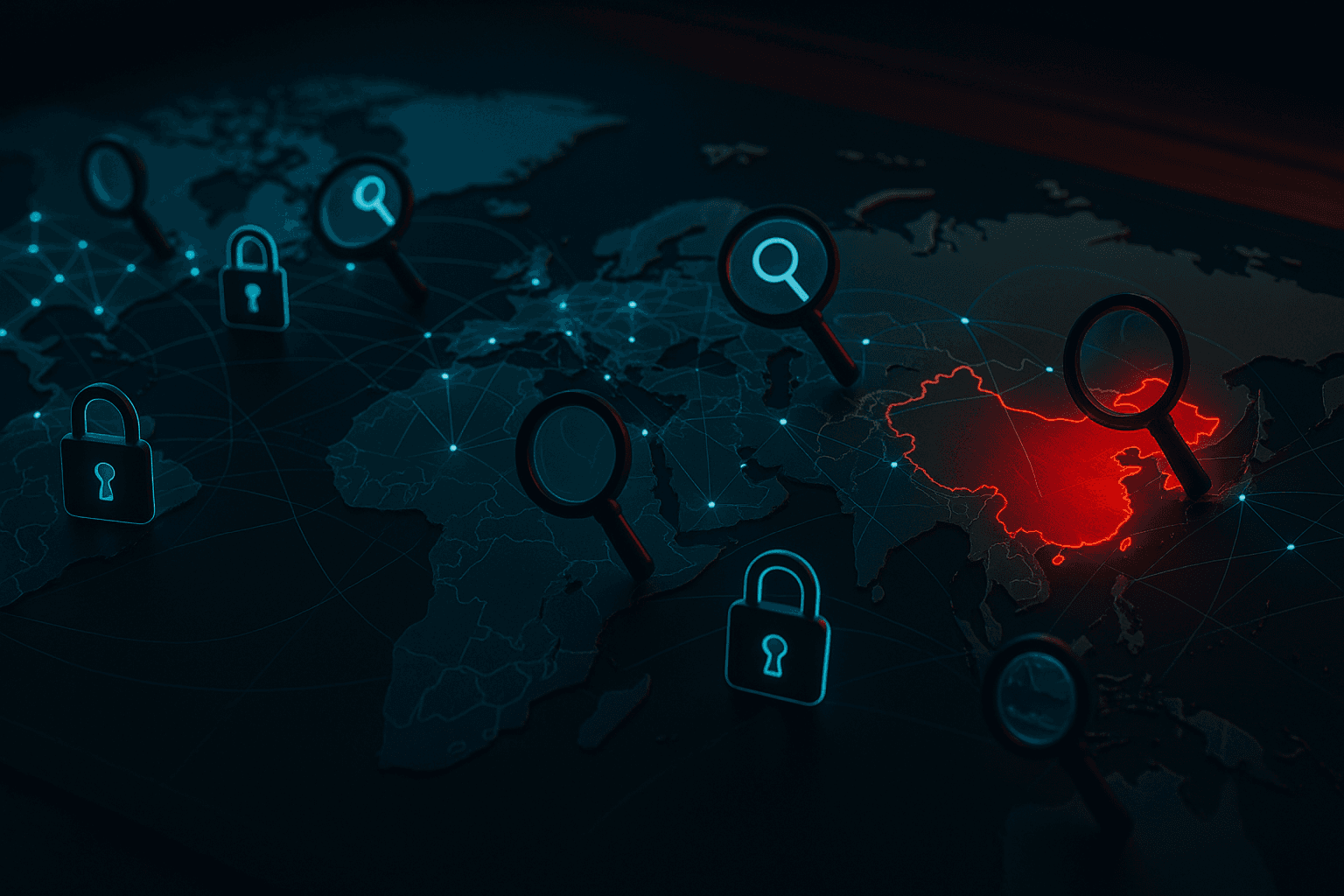
North Korean remote workers are expanding their job searches beyond traditional IT roles, delving into industries such as sales, marketing, and healthcare. This shift presents a unique detection challenge as these workers are not breaking into systems but are instead gaining legitimate employment. The impact on organizations includes potential data leaks and intellectual property theft. Companies must tighten hiring processes and implement robust verification measures to mitigate this threat.
Introduction: Understanding the Threat
In recent developments, North Korean remote workers have broadened their job search beyond the traditional IT sector, venturing into fields like sales, marketing, and even healthcare. This pivot represents a strategic move in cyber espionage tactics, with potential implications for global businesses. It is essential for organizations to understand this evolving threat, as these workers often secure legitimate employment, making detection challenging.
Historically, North Korean cyber operations have focused on IT and financial sectors, using sophisticated methods to infiltrate and extract valuable information. However, recent patterns suggest a diversification in strategy, aiming to exploit new vulnerabilities in different industries.
The Threat Landscape: Current State of Affairs
The cybersecurity landscape is constantly evolving, with nation-state actors like North Korea adapting their tactics to bypass traditional security measures. According to Huntress, there has been a notable increase in North Korean individuals seeking employment in non-IT sectors. This shift is part of a broader trend where adversaries are leveraging legitimate business processes to conduct espionage.
Industry statistics reveal that the demand for remote workers has surged, providing a fertile ground for such deceptive practices. The global remote work trend, accelerated by the COVID-19 pandemic, has inadvertently created opportunities for cyber actors to embed themselves within organizations.
Recent incidents highlight the complexity of this threat. Unlike typical cyberattacks that involve breaching security systems, North Korean workers are gaining access through legitimate hiring channels, making detection and prevention more challenging.
Technical Deep Dive: How the Attack Works
The modus operandi of North Korean remote workers involves securing legitimate employment through falsified credentials and identities. These individuals often apply for roles that provide access to sensitive information or strategic business functions. The process begins with crafting convincing resumes and online profiles, followed by passing remote interviews using premeditated responses.
Once employed, these workers can access internal systems, gather intelligence, and potentially exfiltrate data. Unlike traditional cyberattacks, there are no obvious indicators of compromise, as the individuals are legitimate employees. However, anomalies in data access patterns and unusual remote connections can serve as potential red flags.
Technical indicators of compromise (IOCs) include unusual login times, access from unexpected geographic locations, and inconsistencies in communication patterns. While there are no specific CVE numbers associated with this tactic, organizations should enhance their anomaly detection capabilities to identify such threats.
Impact Assessment: Who Is Affected and How
The impact of North Korean remote workers infiltrating non-IT sectors is far-reaching. Industries such as healthcare, sales, and marketing are particularly vulnerable due to the sensitive nature of the data they handle. Potential consequences include financial losses from intellectual property theft, reputational damage, and compromised business strategies.
Data breaches resulting from these infiltrations can lead to severe regulatory and compliance repercussions, especially within sectors governed by stringent data protection laws. Organizations must be vigilant in safeguarding their sensitive data and ensuring compliance with industry regulations.
Real-World Case Studies
Several instances demonstrate the effectiveness of North Korean workers in securing legitimate remote positions. In one case, a healthcare company unknowingly hired a North Korean operative who accessed patient records and strategic business plans. The incident resulted in a significant data breach and regulatory fines.
Lessons learned from these incidents emphasize the importance of thorough background checks and the use of advanced verification technologies in the hiring process. Organizations must also invest in continuous monitoring of employee activities to detect and mitigate potential threats.
Mitigation Strategies: Protecting Your Organization
To protect against the threat of North Korean remote workers, organizations should implement a multi-layered approach. Immediate actions include enhancing background checks and using advanced identity verification tools during the recruitment process. It's crucial to adopt a zero-trust architecture, limiting access to sensitive data based on role-based permissions.
Short-term measures involve conducting regular audits of remote work activities and establishing clear protocols for data access. Long-term strategies include investing in employee training programs to raise awareness of potential insider threats and developing robust incident response plans.
Tools and technologies such as AI-based anomaly detection systems can help identify unusual patterns in employee behavior, providing timely alerts to potential threats. Configuration recommendations include setting up geofencing rules and implementing multi-factor authentication for remote access.
Detection and Response
Detecting North Korean remote workers requires a keen understanding of behavioral patterns and anomalies. Organizations should monitor for signs such as unusual data access requests, deviations in login patterns, and unexplained remote connections.
Incident response procedures should be well-defined, with clear roles and responsibilities. Forensic investigations must focus on identifying the extent of data accessed and potential exfiltration paths. Rapid response and containment are critical to minimizing damage.
Expert Insights: Industry Perspective
Industry experts predict that the trend of nation-state actors exploiting remote work opportunities will continue to rise. As the global workforce becomes increasingly digital, organizations must adapt their cybersecurity strategies to address these evolving threats.
Future predictions suggest a shift towards more sophisticated infiltration techniques, with adversaries leveraging AI and machine learning to enhance their capabilities. Security teams should prepare for these advancements by investing in cutting-edge technologies and fostering a culture of cybersecurity awareness.
Conclusion: Key Takeaways
The threat of North Korean remote workers infiltrating diverse industries is a stark reminder of the evolving nature of cyber threats. Organizations must take proactive measures to safeguard their operations and sensitive data.
- Enhance background checks and identity verification during recruitment.
- Adopt a zero-trust architecture and enforce role-based access control.
- Invest in AI-based anomaly detection systems for real-time threat alerts.
- Develop robust incident response plans with clear roles and responsibilities.
- Foster a culture of cybersecurity awareness and continuous learning.
Discussion
Share Your Thoughts
Loading comments...
Stay Updated
Subscribe to our newsletter for the latest cybersecurity insights, threat intelligence, and security best practices.