

Ohio County Pays $1 Million Ransom: Cybersecurity Wake-Up Call
A critical analysis of the emerging cyber extortion threat
Executive Summary
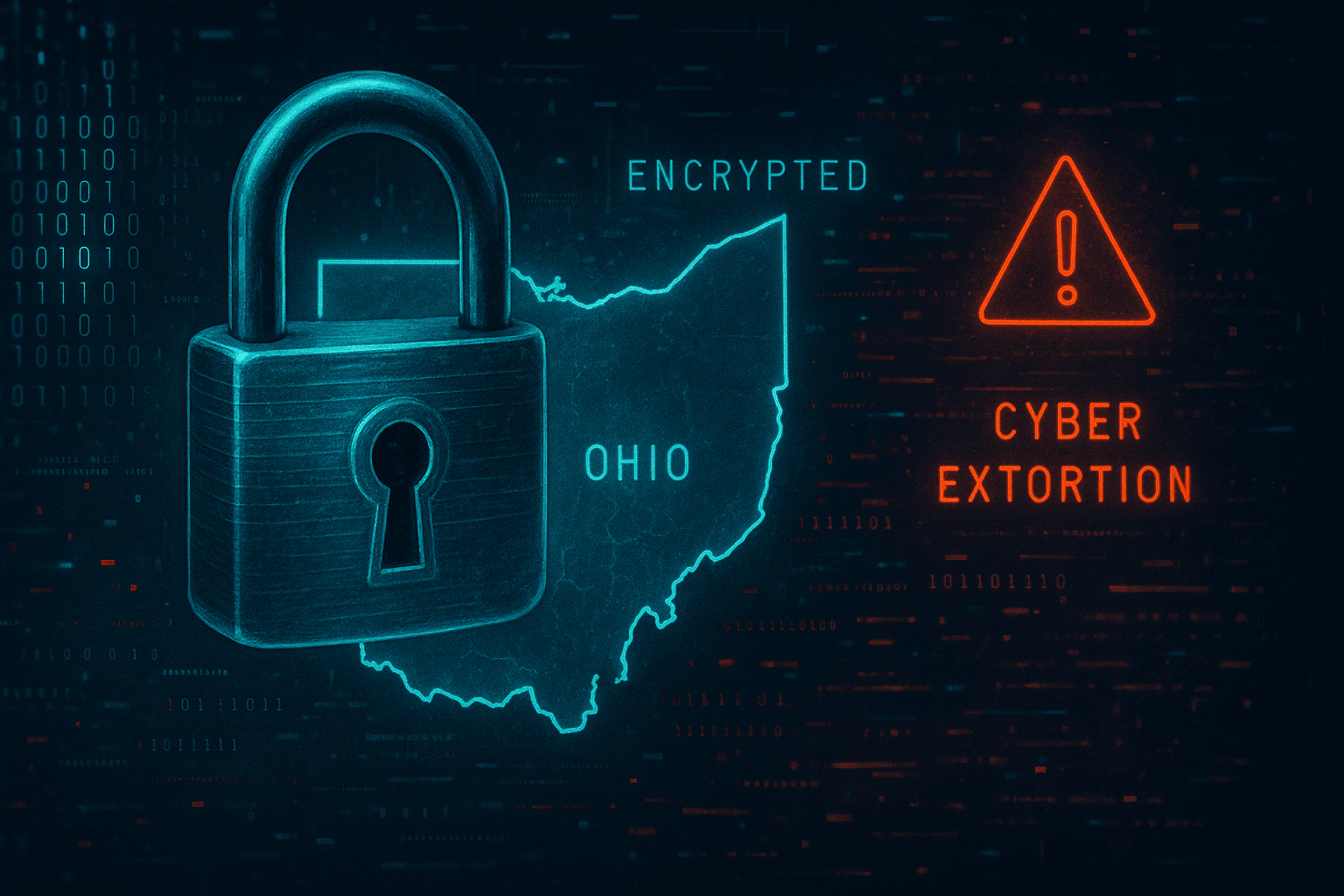
A small Ohio county has reportedly paid $1 million to a cyber extortion group to prevent the release of sensitive stolen data. This incident highlights the growing threat of ransomware and cyber extortion, emphasizing the critical need for robust cybersecurity measures and strategic incident response plans. Organizations across all sectors must prioritize threat assessment and enhance their security posture to mitigate similar risks.
Introduction: Understanding the Threat
In today's digital age, cyber extortion has emerged as one of the most significant threats to organizations worldwide. The incident involving a small Ohio county paying a $1 million ransom to prevent the public release of sensitive data serves as a stark reminder of the vulnerabilities that exist within public sector cybersecurity frameworks. This case is not an isolated incident but part of a broader trend affecting various industries.
Historically, ransomware attacks have targeted both private and public sector organizations, with attackers demanding substantial sums in exchange for decrypting data or refraining from releasing it. The proliferation of ransomware-as-a-service (RaaS) has further lowered the barrier for cybercriminals to engage in such activities, making it increasingly vital for organizations to understand and counter these threats effectively.
The Threat Landscape: Current State of Affairs
The cybersecurity landscape has evolved dramatically in recent years, with ransomware attacks becoming more frequent and sophisticated. According to industry reports, ransomware incidents have increased by over 150% in the past year alone, with public sector entities being particularly vulnerable due to often outdated infrastructure and limited cybersecurity budgets.
This Ohio county incident fits a pattern of attacks targeting governmental organizations, which are often seen as lucrative targets due to their reliance on critical data and services. Similar incidents have occurred globally, highlighting the need for a unified response to combat the growing threat of cyber extortion.
Technical Deep Dive: How the Attack Works
Cyber extortion typically involves a multi-stage process where attackers infiltrate a network, exfiltrate sensitive data, and then demand a ransom for either the return of the data or a promise not to release it. Attackers may leverage a variety of vectors, including phishing emails, exploiting vulnerabilities within outdated systems, or deploying malware.
Technical indicators of compromise (IOCs) for such attacks often include unusual network activity, unauthorized data access, and the presence of known ransomware signatures. In this case, specific vulnerabilities within the county's IT infrastructure may have been exploited, underscoring the importance of regular vulnerability assessments and patch management.
Impact Assessment: Who Is Affected and How
The impact of ransomware attacks extends far beyond financial loss. For governmental organizations, the implications can include operational disruptions, loss of public trust, and significant reputational damage. The financial consequences are exacerbated by potential regulatory fines and the cost of implementing enhanced security measures post-incident.
In the Ohio county case, the affected sectors include public administration and local government services, which are critical to community functioning. The breach of sensitive data may also have legal and compliance implications, necessitating thorough investigations and possible notifications to affected individuals.
Real-World Case Studies
Similar incidents have been documented worldwide. For instance, the city of Atlanta suffered a major ransomware attack in 2018, resulting in over $17 million in recovery costs. The attack disrupted several city services, highlighting the potential impact of such threats on urban infrastructure.
Mitigation Strategies: Protecting Your Organization
Organizations can take several steps to protect against cyber extortion. Immediate actions include implementing robust backup solutions, conducting regular security audits, and educating employees on recognizing phishing attempts. Short-term measures should focus on enhancing network security through firewalls, intrusion detection systems, and endpoint protection.
Long-term strategies involve adopting a proactive security posture, investing in advanced threat intelligence platforms, and fostering a culture of cybersecurity awareness across all levels of the organization. Specific tools like Security Information and Event Management (SIEM) systems can provide valuable insights into potential threats and vulnerabilities.
Detection and Response
Detecting cyber extortion attempts early is crucial. Organizations should monitor for signs of compromise, such as unusual login patterns and data exfiltration activities. Establishing a well-defined incident response plan is essential for effective mitigation and recovery. This includes having a dedicated incident response team, clear communication protocols, and regular drills to test response capabilities.
Expert Insights: Industry Perspective
Industry experts predict that cyber extortion will continue to evolve, with attackers employing more sophisticated techniques and targeting a broader range of sectors. The integration of AI and machine learning in cybersecurity tools is expected to enhance threat detection and response capabilities, providing organizations with a critical edge in combating these threats.
Conclusion: Key Takeaways
In conclusion, the Ohio county cyber extortion incident serves as a wake-up call for organizations to bolster their cybersecurity frameworks. Key takeaways include the importance of investing in comprehensive security measures, fostering a culture of cyber awareness, and maintaining readiness for potential incidents.
- Invest in robust cybersecurity frameworks and continuous monitoring.
- Conduct regular security training and awareness programs for employees.
- Develop and routinely update an incident response plan.
- Leverage advanced technologies like AI for enhanced threat detection.
- Collaborate with industry peers and experts to stay informed on emerging threats.
- Ensure compliance with relevant regulatory standards.
- Regularly test backups and recovery procedures.
Discussion
Share Your Thoughts
Loading comments...
Stay Updated
Subscribe to our newsletter for the latest cybersecurity insights, threat intelligence, and security best practices.