

OpenAI's $1B Cybersecurity Boost for Water Utilities
Strengthening Critical Infrastructure Against Cyber Threats
Executive Summary
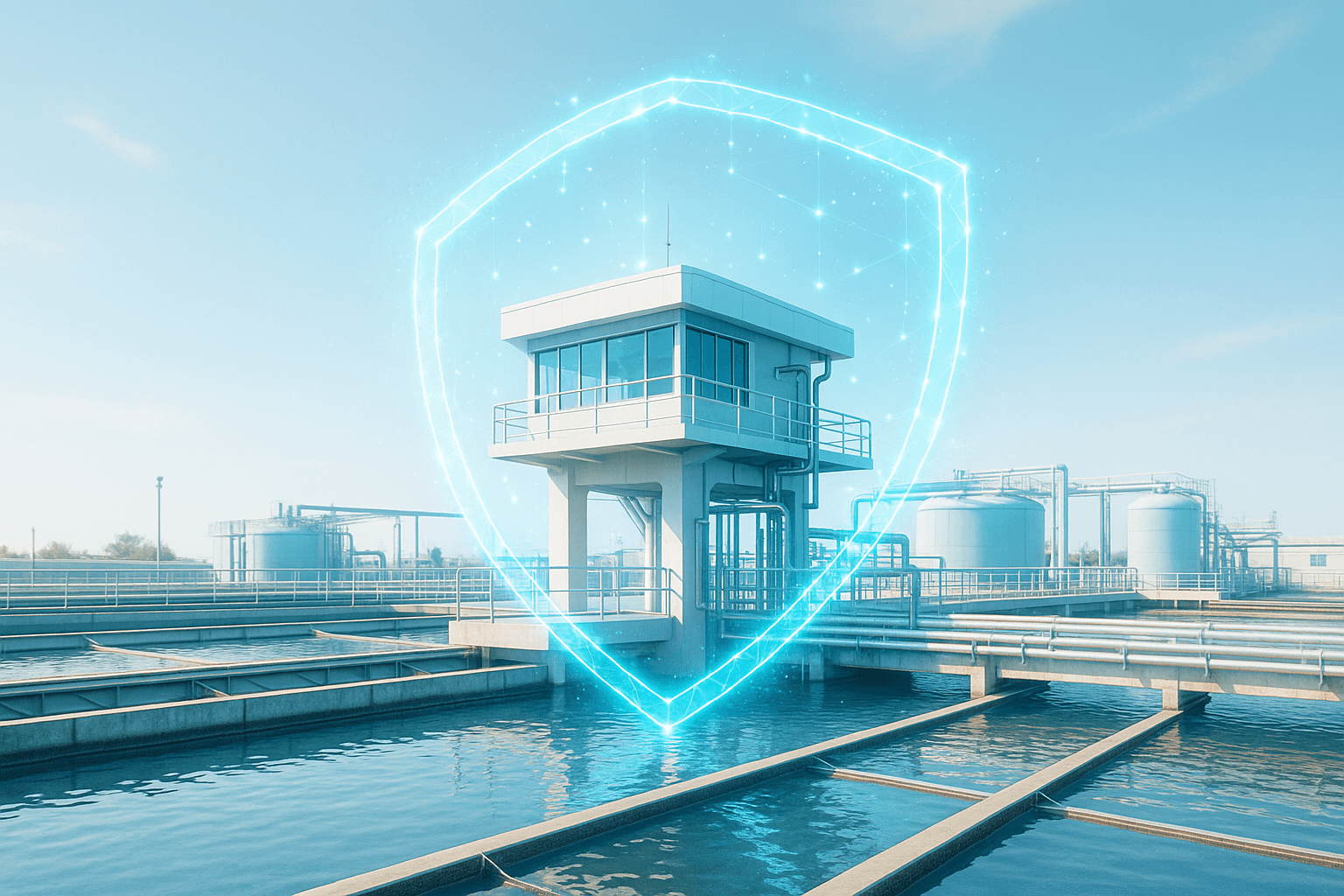
OpenAI has announced a significant initiative to fortify the cybersecurity defenses of water utilities by pledging $1 billion in subsidized access to its Daybreak AI tools. This strategic move is aimed at supporting under-resourced critical infrastructure defenders, particularly within the water sector. As cyber threats continue to evolve, it's imperative for organizations managing essential services to integrate advanced AI solutions, ensuring both resilience and continuity.
Introduction: Understanding the Threat
The cyber landscape is witnessing an unprecedented surge in threats targeting critical infrastructure. Water utilities, essential for public health and safety, have become prime targets for cybercriminals. The vulnerability of these systems poses significant risks, from disrupting water supply to compromising water quality.
Historically, cyberattacks on utilities have exposed glaring weaknesses, leading to increased scrutiny and demand for robust security measures. With the rise of interconnected systems, the attack surface has expanded, necessitating advanced protective measures.
The Threat Landscape: Current State of Affairs
Cyber threats targeting water utilities are not isolated incidents but part of a broader trend. According to industry reports, attacks on critical infrastructure have increased by over 300% in the past five years. These attacks often exploit outdated systems and lack of cybersecurity expertise.
The current cybersecurity landscape is characterized by sophisticated threat actors, including nation-states and organized cybercriminal groups. The ramifications of an attack on water utilities can be catastrophic, affecting millions and causing widespread chaos.
Technical Deep Dive: How the Attack Works
Cyberattacks on water utilities typically involve a range of sophisticated techniques. Attack vectors often include phishing campaigns targeting employees, exploiting vulnerabilities in outdated SCADA systems, and deploying ransomware to lock critical systems.
Technical indicators of compromise (IOCs) include unusual network traffic patterns, unauthorized access attempts, and unexpected system behavior. The integration of AI in cybersecurity tools can significantly enhance detection capabilities, providing real-time analysis and threat mitigation.
Impact Assessment: Who Is Affected and How
The impact of a cyberattack on water utilities is profound, affecting both urban and rural communities. The immediate consequences include disruption of water supply, potential contamination, and public health crises.
Financially, such attacks can result in substantial losses, from operational downtime to regulatory fines. The long-term implications involve reputational damage and loss of public trust, which can be difficult to recover from.
Real-World Case Studies
Several high-profile incidents have highlighted the vulnerabilities within the water sector. In 2021, a water treatment plant in Florida was targeted, where attackers attempted to alter chemical levels, posing a direct threat to public safety.
Lessons from these incidents underscore the need for proactive cybersecurity measures and the adoption of advanced technologies to predict and prevent such attacks.
Mitigation Strategies: Protecting Your Organization
Organizations must adopt a multi-layered defense strategy to safeguard against cyber threats. Immediate actions include regular system audits, employee training, and implementing robust access controls.
For long-term security, integrating AI-powered tools offers predictive analytics and threat intelligence, enabling organizations to anticipate and neutralize threats before they manifest. Regular updates and patch management are also crucial in maintaining system integrity.
Detection and Response
Effective detection mechanisms involve continuous monitoring of network traffic and anomaly detection. AI-driven tools can identify patterns indicative of potential breaches, enabling rapid response.
Incident response procedures should include clearly defined roles, regular drills, and collaboration with law enforcement and cybersecurity experts to minimize impact and facilitate recovery.
Expert Insights: Industry Perspective
Experts predict a continued rise in cyber threats targeting critical infrastructure, driven by geopolitical tensions and economic motivations. The integration of AI in cybersecurity strategies is seen as a game-changer, offering enhanced protection and predictive capabilities.
Security teams are encouraged to stay informed on emerging trends, invest in ongoing training, and adopt flexible security frameworks that can adapt to evolving threats.
Conclusion: Key Takeaways
In conclusion, the commitment by OpenAI to invest $1 billion in AI-driven cybersecurity tools marks a pivotal moment in the defense of critical infrastructure. Organizations must leverage these technologies to strengthen their defenses and ensure operational resilience.
- Embrace AI-driven tools for enhanced cybersecurity.
- Conduct regular security audits and employee training.
- Implement robust access controls and patch management.
- Engage in proactive threat intelligence sharing.
- Develop comprehensive incident response plans.
Discussion
Share Your Thoughts
Loading comments...
Stay Updated
Subscribe to our newsletter for the latest cybersecurity insights, threat intelligence, and security best practices.