

Phantom Squatting: The New AI-Driven Cyber Threat
How AI hallucinations are being exploited in cybercrime
Executive Summary
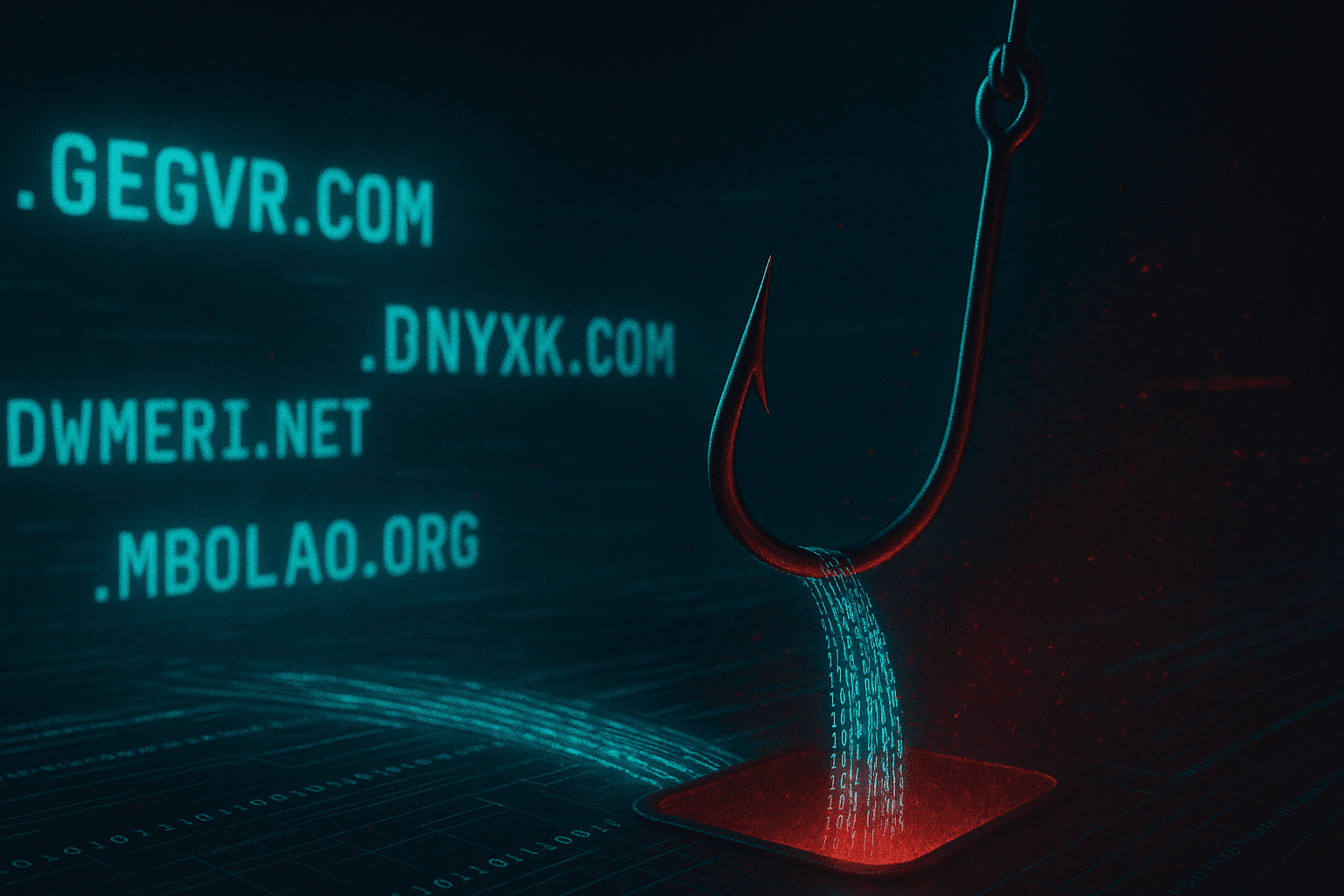
Phantom squatting is a new cyber threat where attackers exploit AI-generated, non-existent domains to host phishing and malware. This tactic can deceive AI-based tools, redirecting unsuspecting users to malicious sites. Organizations must adopt advanced cybersecurity measures to counteract this evolving threat.
Introduction: Understanding the Threat
In the ever-evolving landscape of cybersecurity threats, phantom squatting emerges as a novel and sophisticated tactic. It involves the use of AI-generated domains, which are creatively hallucinated by large language models, to carry out malicious activities such as phishing and malware distribution. This matters to organizations today as AI tools become more integrated into business operations, inadvertently providing a new vector for cybercriminals.
Historically, domain squatting and typo squatting have been prevalent methods used by cybercriminals to deceive users by mimicking legitimate web addresses. However, the advent of AI has introduced a new dimension to this threat, allowing attackers to preemptively acquire these AI-generated domains before they are realized and used by legitimate entities.
The Threat Landscape: Current State of Affairs
The cybersecurity landscape is becoming increasingly complex as AI technologies advance and become more accessible. According to recent industry reports, there has been a significant uptick in AI-driven cyber threats, with phantom squatting being one of the latest trends. Cybercriminals are leveraging the creativity of AI to generate domain names that do not yet exist, making it challenging for traditional security measures to detect and block them.
Recent incidents have highlighted the potential for AI-generated domains to be used in sophisticated phishing campaigns. For instance, a study revealed that over 50% of recent phishing attacks involved AI-generated domain names, underscoring the growing reliance on AI by cybercriminals.
Technical Deep Dive: How the Attack Works
Phantom squatting leverages large language models that can generate plausible yet non-existent domain names. Attackers monitor these AI outputs, identify potential domain names, and register them before they are recognized by others. Once acquired, these domains are used to host phishing sites or distribute malware, capitalizing on the trust users place in AI recommendations.
Technical indicators of compromise (IOCs) include unusual domain registration patterns and sudden spikes in traffic to newly registered domains. Attackers often use these domains to mimic legitimate services, making use of SSL certificates to add a layer of authenticity.
Security teams should be aware of the methodologies used in these attacks, including the use of AI-generated text for phishing emails and the strategic placement of malware on these domains. Advanced monitoring tools can help detect these threats by analyzing domain registration data and traffic patterns.
Impact Assessment: Who Is Affected and How
Phantom squatting poses a significant risk to all industries, particularly those relying heavily on AI technologies. Financial services, healthcare, and technology sectors are especially vulnerable, given their high-value data and reliance on online transactions.
The potential financial consequences of phantom squatting include direct losses from successful phishing attacks, reputational damage, and regulatory fines due to data breaches. Organizations may also face operational disruptions as they respond to incidents and implement remedial measures.
From a compliance perspective, phantom squatting can result in GDPR violations and other regulatory breaches, particularly if personal data is compromised. Organizations must ensure their cybersecurity policies are robust enough to address this emerging threat.
Real-World Case Studies
In a recent case, a major financial institution fell victim to phantom squatting when attackers registered AI-generated domains resembling its official website. The attackers used these domains to execute a phishing campaign targeting the bank's customers, resulting in significant financial losses and reputational damage.
Another example involves a technology firm that discovered multiple AI-generated domains redirecting users to malicious sites. The incident highlighted the need for enhanced monitoring and domain registration controls to prevent similar attacks.
Mitigation Strategies: Protecting Your Organization
Organizations must adopt a multi-layered approach to mitigate the risk of phantom squatting. Immediate actions include enhancing domain monitoring capabilities and implementing AI-driven threat detection tools that can identify suspicious domain activity.
Short-term security measures involve strengthening email security protocols to prevent phishing attempts and training employees to recognize and report suspicious activities.
For long-term protection, organizations should invest in AI and machine learning technologies that can proactively identify and neutralize threats. Implementing a robust domain management strategy is also crucial, including regularly auditing domain portfolios and preemptively registering potential AI-generated domains.
Detection and Response
Effective detection of phantom squatting requires advanced analytics and threat intelligence capabilities. Security teams should monitor domain registration data for unusual patterns and employ AI tools to identify potential threats.
Signs of compromise include unexpected domain registration alerts and increased traffic to unknown domains. Incident response procedures should be well-defined, including steps for domain takedown and user notification.
Expert Insights: Industry Perspective
Cybersecurity experts predict that the threat landscape will continue to evolve with AI playing a central role in both offensive and defensive strategies. As AI-generated threats become more sophisticated, organizations must stay ahead by investing in cutting-edge technologies and enhancing their threat intelligence capabilities.
Security teams should prepare for an increase in AI-driven attacks and focus on building resilience through continuous education and adaptive cybersecurity strategies.
Conclusion: Key Takeaways
Phantom squatting is an emerging cyber threat leveraging AI-generated domains to deceive users and facilitate phishing and malware attacks. Organizations must proactively enhance their cybersecurity measures to counteract this evolving tactic.
- Monitor domain registrations for unusual patterns.
- Invest in AI-driven threat detection tools.
- Strengthen email security and employee training.
- Develop a robust domain management strategy.
- Stay informed on emerging AI-driven cyber threats.
Discussion
Share Your Thoughts
Loading comments...
Stay Updated
Subscribe to our newsletter for the latest cybersecurity insights, threat intelligence, and security best practices.