

Revived Case of Cable Sabotage: A Cybersecurity Wake-Up Call
Understanding the implications of the Eagle S Officers incident
Executive Summary
The Finnish appeals court's decision to revisit the case against Eagle S Officers underscores the ongoing risk of sabotage to critical infrastructure. This incident serves as a reminder for organizations to strengthen their defense mechanisms against similar threats, which can have significant operational and financial impacts. Rapid response and proactive measures are essential to mitigate such risks.
Introduction: Understanding the Threat
In today's interconnected world, the stability and security of communication infrastructures are paramount. The recent revival of a legal case involving alleged cable sabotage by Eagle S Officers in Finland brings this issue to the forefront. Such cases are not isolated incidents; rather, they highlight an ongoing threat to national and global communication networks. Understanding the motivations and methods behind these attacks is crucial for developing effective countermeasures.
Historically, sabotage of communication lines has been a tactic used in warfare and espionage to disrupt enemy operations. With the digitization of communication, the potential for such disruptions has increased, posing a significant threat to both governmental and private sectors.
The Threat Landscape: Current State of Affairs
The current cybersecurity landscape is characterized by an increasing number of attacks targeting critical infrastructure. According to a recent report by the European Union Agency for Cybersecurity (ENISA), attacks on communication networks have risen by 25% over the past year. These attacks are often sophisticated, involving state-sponsored actors and organized crime syndicates.
The case of the Eagle S Officers is part of a broader pattern where attackers aim to disrupt essential services, causing chaos and potentially extracting ransom. The motivations behind such attacks can range from political gain to financial profit, making them a significant concern for nations worldwide.
Recent incidents, such as the attack on Ukraine's power grid in 2015 and the more recent Colonial Pipeline cyberattack in the United States, demonstrate the potential impact of infrastructure sabotage. These events underscore the need for enhanced security measures and international cooperation in combating such threats.
Technical Deep Dive: How the Attack Works
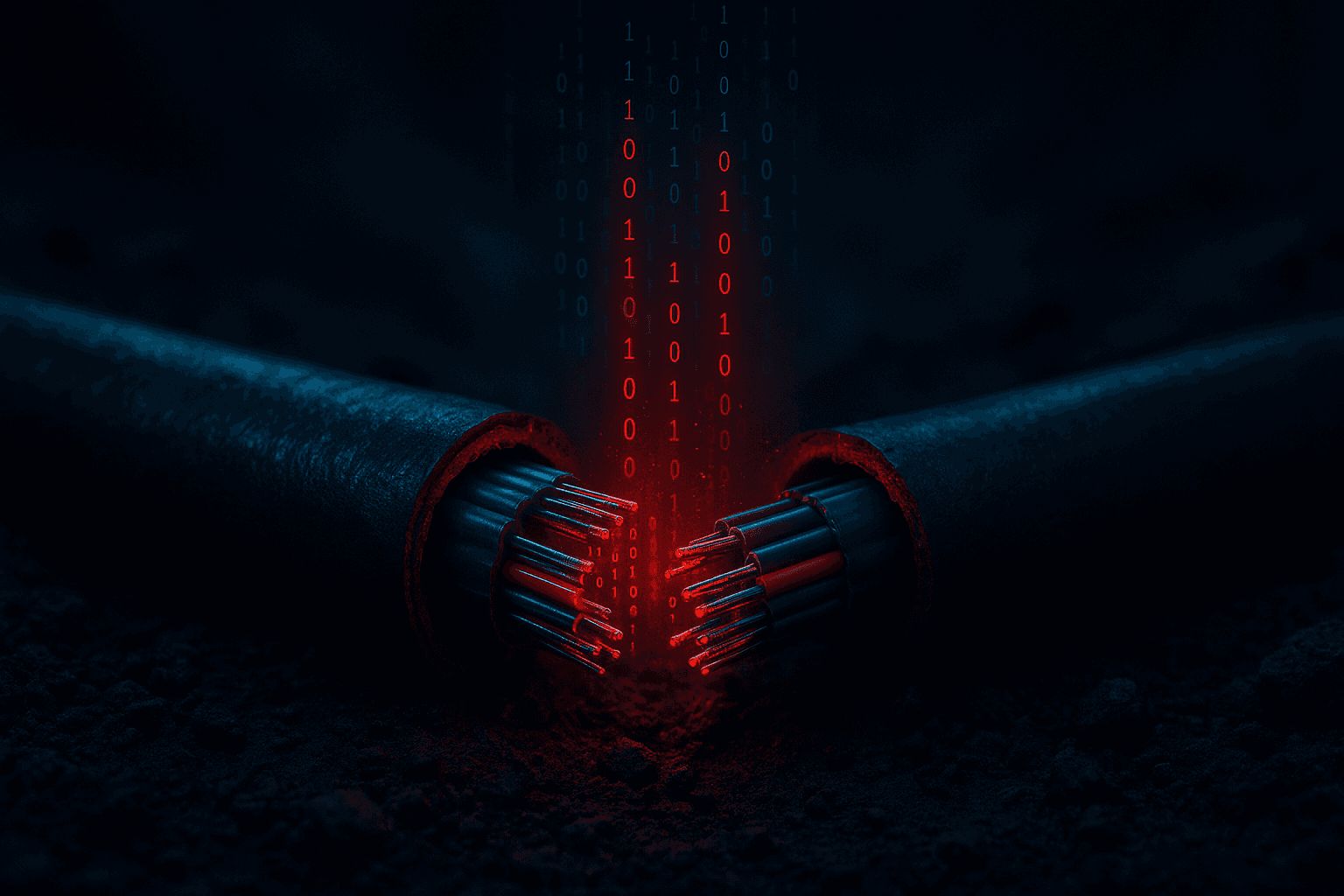
The alleged sabotage by Eagle S Officers involved physical tampering with underground communication cables. Such attacks require a combination of technical expertise and physical access to the infrastructure. Attackers often use specialized tools to cut or damage cables, causing significant disruption to communication networks.
From a technical standpoint, these attacks may also involve cyber elements, such as disabling alarm systems or surveillance to avoid detection. The attackers could use network analysis tools to identify vulnerabilities in the infrastructure before executing their plan.
While the specific technical details of the Eagle S incident are not fully disclosed, similar attacks often involve the use of network packet sniffers to intercept and analyze data traffic, identifying weak points in the network's security.
Impact Assessment: Who Is Affected and How
The impact of cable sabotage can be far-reaching, affecting multiple sectors including telecommunications, finance, and public services. Disruptions to communication networks can hinder business operations, leading to financial losses and reputational damage.
In the case of national infrastructure, such attacks can compromise national security and public safety, especially if emergency services and defense communications are affected. The financial implications are significant, with costs associated with repair, increased security measures, and potential ransom payments.
Moreover, regulatory bodies may impose fines for non-compliance with infrastructure security standards, adding to the financial burden on affected organizations.
Real-World Case Studies
The attack on Ukraine's power grid in 2015 serves as a cautionary tale. Hackers used a combination of cyber and physical tactics to disrupt power supply, leaving hundreds of thousands in the dark. The incident highlighted the vulnerabilities in infrastructure security and prompted a global reassessment of cybersecurity strategies.
Similarly, the Colonial Pipeline attack in 2021 demonstrated the potential for cyberattacks to disrupt critical supply chains. The incident led to fuel shortages and economic losses, emphasizing the need for robust cybersecurity measures across all sectors.
Mitigation Strategies: Protecting Your Organization
Organizations can take several steps to mitigate the risk of infrastructure sabotage. Immediate actions include conducting a thorough security audit of physical and cyber defenses and implementing stricter access controls to sensitive areas.
Short-term measures involve enhancing surveillance and intrusion detection systems to monitor for unusual activity. Organizations should also invest in employee training programs to raise awareness about potential threats and response protocols.
Long-term strategies involve adopting a holistic security approach that integrates physical and cyber defenses. This includes deploying advanced encryption techniques, regular security updates, and adopting a zero-trust security model.
Specific tools such as firewalls, intrusion detection systems (IDS), and security information and event management (SIEM) systems can provide additional layers of protection.
Detection and Response
Detecting sabotage early is crucial in minimizing impact. Organizations should monitor network traffic for anomalies and set up alerts for any unauthorized access attempts. Regular penetration testing can help identify vulnerabilities before they are exploited.
In the event of an incident, a well-defined incident response plan is essential. This includes isolating affected systems, conducting forensic analysis to understand the breach, and coordinating with law enforcement and other relevant bodies.
Expert Insights: Industry Perspective
Experts predict an increase in infrastructure-related attacks as geopolitical tensions rise. Organizations should prepare for more sophisticated attack vectors that combine physical and cyber elements.
The evolution of technology presents both opportunities and challenges in the cybersecurity landscape. While new tools can enhance security, they also provide attackers with more sophisticated methods to exploit vulnerabilities.
Conclusion: Key Takeaways
The revival of the Eagle S Officers case serves as a wake-up call for organizations to strengthen their infrastructure security. Proactive measures are essential to mitigate the risk of sabotage and ensure operational continuity.
- Conduct regular security audits and vulnerability assessments.
- Implement comprehensive physical and cyber defense strategies.
- Stay informed about emerging threats and attack vectors.
- Enhance employee training and awareness programs.
- Develop and regularly update an incident response plan.
- Collaborate with industry peers and governmental bodies for threat intelligence sharing.
By taking these steps, organizations can better protect themselves against the growing threat of infrastructure sabotage.
Discussion
Share Your Thoughts
Loading comments...
Stay Updated
Subscribe to our newsletter for the latest cybersecurity insights, threat intelligence, and security best practices.