

Russia's Hybrid Cyber-Physical Warfare: A Rising Threat in Europe
Unveiling the intricate cyber-physical threats targeting Europe
Executive Summary
Russia's hybrid warfare against European nations supporting Ukraine intensifies through cyber sabotage, disinformation, and drone attacks. This evolving threat landscape necessitates enhanced cybersecurity measures and strategic vigilance.
Introduction: Understanding the Threat
As geopolitical tensions escalate, Russia has escalated its hybrid warfare tactics against European nations, particularly those providing material support to Ukraine. This conflict merges cyber and physical strategies, posing unprecedented challenges to national security and organizational resilience.
Hybrid warfare, a strategic blend of conventional military tactics with cyber operations, disinformation campaigns, and physical attacks, is not a new phenomenon. However, its current scale and sophistication require urgent attention from security professionals worldwide.
Organizations today are at the forefront of a complex battlefield where cyber and physical threats are indistinguishable. Understanding this threat's nature is crucial for developing effective defense strategies.
The Threat Landscape: Current State of Affairs
The European cybersecurity landscape is under siege as Russia's hybrid tactics evolve. Cyber sabotage, including critical infrastructure attacks, is paired with disinformation campaigns aimed at sowing discord and confusion among populations.
According to recent reports, cyber incidents have risen by 35% in countries supporting Ukraine, with a significant portion attributed to state-sponsored actors. This reflects a broader trend where geopolitical conflicts increasingly manifest in the cyber domain.
In recent years, similar patterns have been observed in other conflicts, where digital warfare complements traditional military strategies. This integration poses new risks and demands a reevaluation of security postures across affected nations.
The current threat environment underscores the importance of intelligence sharing and collaboration among nations to mitigate these risks effectively.
Technical Deep Dive: How the Attack Works
Russia's hybrid attacks employ a variety of sophisticated techniques. Cyber sabotage often involves exploiting vulnerabilities in critical infrastructure systems. Attack vectors commonly include phishing campaigns, malware deployment, and exploitation of zero-day vulnerabilities.
Technical indicators of compromise (IOCs) include unusual network traffic patterns, unauthorized access attempts, and deployment of known malware strains like NotPetya and Sandworm. These IOCs serve as red flags for security teams to identify potential breaches early.
Disinformation campaigns leverage social media platforms to spread false narratives, undermining public trust and destabilizing political environments. Coordinated inauthentic behavior is often detected through analysis of social media account activities and content dissemination patterns.
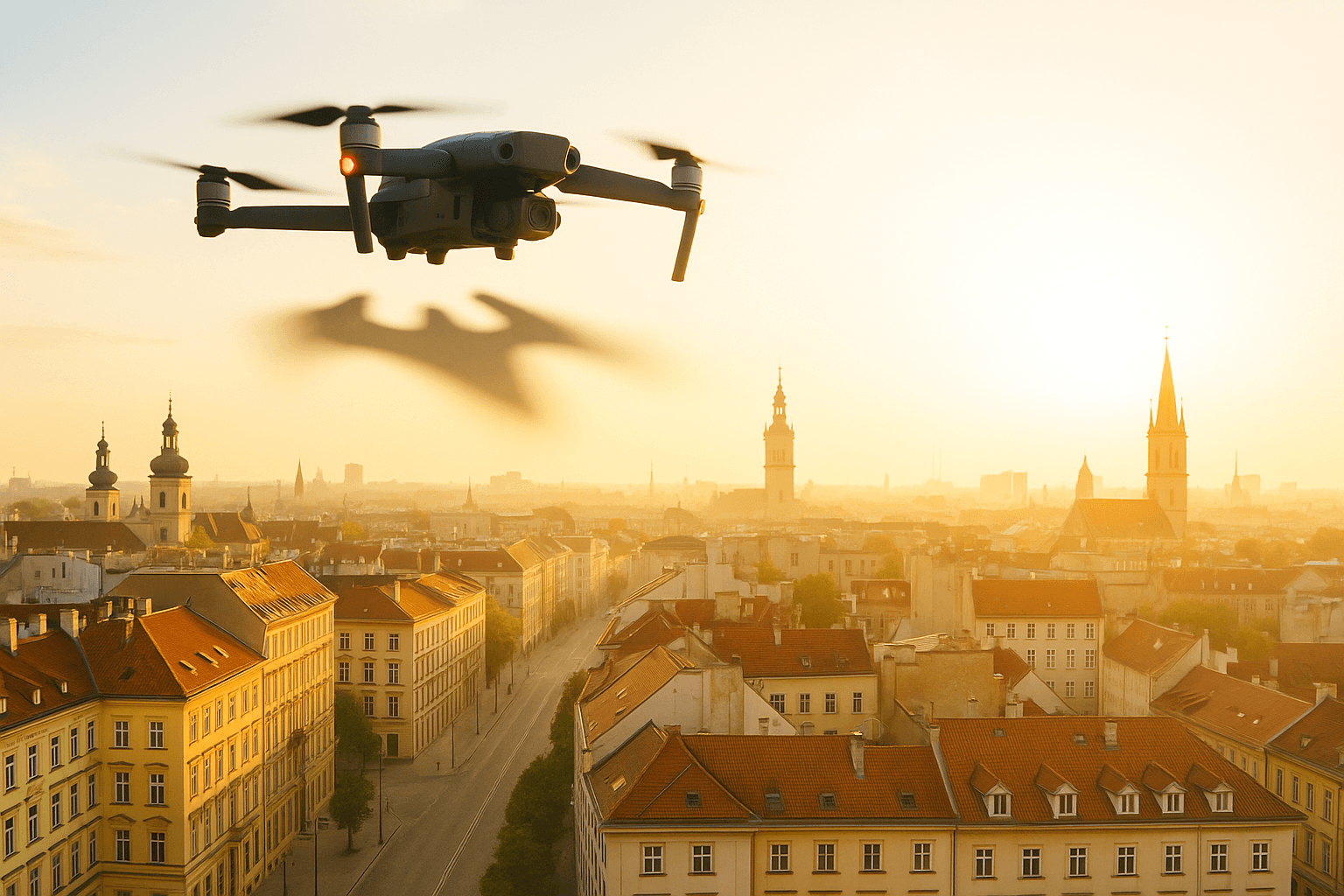
Drone attacks add a physical dimension to the threat, targeting key infrastructure and critical assets. These attacks often use commercially available drones modified for offensive purposes, making detection and prevention challenging.
Addressing these threats requires a multi-layered defense strategy that integrates cybersecurity measures with physical security protocols.
Impact Assessment: Who Is Affected and How
The sectors most affected by Russia's hybrid warfare include energy, transportation, finance, and government. These industries are targeted due to their strategic importance and potential to cause widespread disruption if compromised.
The financial implications of such attacks are significant. Organizations face potential revenue loss, increased operational costs, and reputational damage. Additionally, data breaches resulting from cyber sabotage can lead to regulatory penalties and legal liabilities.
Operational consequences include disruptions in critical services, leading to public safety risks and economic instability. Organizations must navigate these challenges while maintaining compliance with evolving regulatory requirements.
Understanding the potential impacts of these threats is essential for prioritizing risk management efforts and resource allocation.
Real-World Case Studies
In 2017, the NotPetya attack, attributed to Russian state-sponsored actors, caused widespread disruption in Ukraine and beyond. The attack crippled businesses and infrastructure, highlighting the devastating potential of cyber-physical warfare.
Another example is the 2015 cyberattack on Ukraine's power grid, which led to widespread power outages. This incident underscored the vulnerability of critical infrastructure to sophisticated cyber threats.
These cases illustrate the need for robust defensive measures and the importance of learning from past incidents to prevent future occurrences.
Mitigation Strategies: Protecting Your Organization
Organizations can mitigate the risks of hybrid warfare through a combination of immediate and long-term strategies. Immediate actions include enhancing network monitoring, conducting security audits, and implementing multi-factor authentication (MFA) across critical systems.
Short-term measures involve updating software and systems, patching vulnerabilities, and training employees to recognize phishing attempts and disinformation tactics.
Long-term strategic improvements include investing in threat intelligence capabilities, adopting advanced security technologies such as artificial intelligence (AI) for threat detection, and developing incident response plans that integrate cyber and physical security protocols.
Organizations should consider deploying specific tools such as intrusion detection systems (IDS), security information and event management (SIEM) platforms, and endpoint detection and response (EDR) solutions to enhance their security posture.
Configuration recommendations include segmenting networks, implementing least privilege access controls, and regularly reviewing and updating security policies.
Detection and Response
Effective detection of hybrid threats requires continuous monitoring and analysis of network traffic and user behavior. Anomalies in data flow, unauthorized access attempts, and unusual drone activity should be investigated promptly.
Incident response procedures should be well-defined, with clear roles and responsibilities for all team members. Regular drills and simulations can help ensure readiness in the event of an attack.
Forensic considerations include preserving evidence for potential legal proceedings and conducting thorough post-incident analyses to identify vulnerabilities and improve defenses.
Expert Insights: Industry Perspective
Experts suggest that the threat landscape will continue to evolve, with hybrid tactics becoming more prevalent. Organizations should anticipate an increase in state-sponsored cyber activities and prepare accordingly.
The integration of AI and machine learning in cyber defenses is expected to play a crucial role in identifying and mitigating threats in real time. Security teams must stay informed about technological advancements to remain ahead of adversaries.
As geopolitical tensions persist, collaboration between public and private sectors will be vital in developing comprehensive security strategies and sharing intelligence on emerging threats.
Conclusion: Key Takeaways
Russia's hybrid warfare presents a complex challenge requiring coordinated efforts and advanced security measures.
- Enhance cybersecurity infrastructure and physical security protocols.
- Invest in threat intelligence and AI-driven defense technologies.
- Develop comprehensive incident response and recovery plans.
- Foster collaboration and intelligence sharing among stakeholders.
- Stay informed about evolving threats and geopolitical developments.
Discussion
Share Your Thoughts
Loading comments...
Stay Updated
Subscribe to our newsletter for the latest cybersecurity insights, threat intelligence, and security best practices.