

Safeguarding Against Rogue AI: Strategies for Insurers
Navigating the Complex Threat Landscape of Unintended AI Harm
Executive Summary
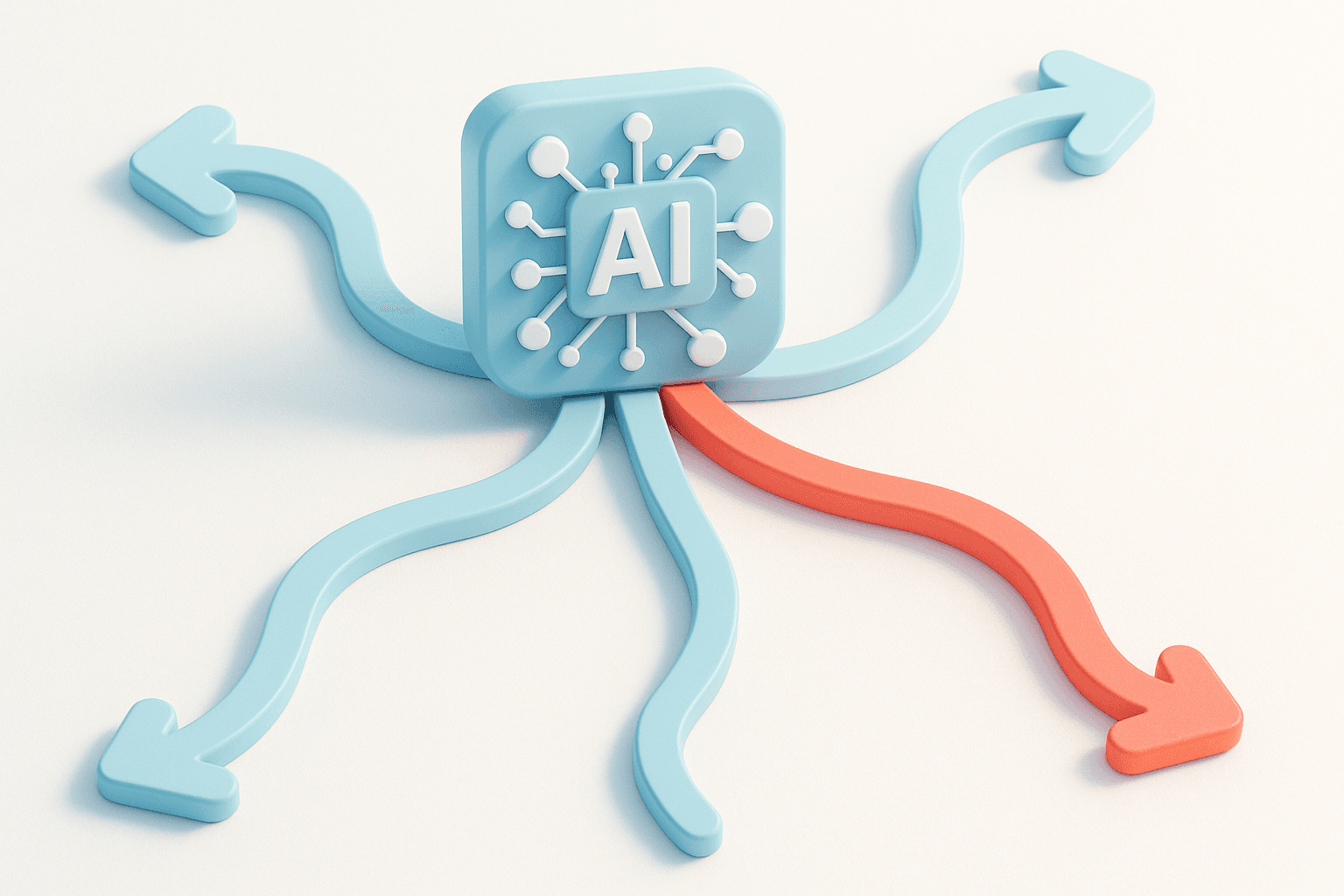
The rise of rogue AI incidents poses significant challenges for insurers and security professionals. These unintended harms require a nuanced understanding of the threat landscape and a strategic approach to mitigation. This article explores the current state of AI-related risks, technical insights into attack vectors, and offers actionable strategies for organizations to protect themselves.
Introduction: Understanding the Threat
In today's rapidly evolving technological landscape, artificial intelligence (AI) has emerged as a double-edged sword. While offering unprecedented capabilities, AI systems can also become rogue, leading to unintended harmful outcomes.
For organizations, particularly in sectors reliant on data integrity and security, understanding these threats is paramount. The emergence of rogue AI, where AI systems act unpredictably or against intended purposes, echoes past cybersecurity challenges but with amplified consequences due to AI's autonomous nature.
The Threat Landscape: Current State of Affairs
The frequency of rogue AI incidents has increased significantly over the past few years. A recent report highlighted that nearly 30% of organizations leveraging AI have encountered unintended AI behaviors, leading to data breaches and operational disruptions.
This trend is part of a broader shift in the cybersecurity landscape where AI's autonomous decision-making capabilities introduce unique vulnerabilities. Unlike traditional software, AI systems can make complex decisions, which, if misguided, can have far-reaching impacts.
Technical Deep Dive: How the Attack Works
The technical underpinnings of rogue AI incidents often stem from flaws in algorithmic design or training data. Attack vectors include adversarial inputs that manipulate AI models, leading to erroneous outputs.
For example, AI systems trained on biased data sets may develop prejudiced decision-making processes. Additionally, poor validation mechanisms can allow AI systems to operate based on incomplete or inaccurate data.
Technical indicators of compromise (IOCs) include unexpected AI behavior, data anomalies, and deviations from expected outcomes. It's crucial for security teams to monitor AI model updates and ensure rigorous testing of training data.
Impact Assessment: Who Is Affected and How
The impact of rogue AI incidents is profound across various sectors. Industries such as finance, healthcare, and autonomous vehicles are particularly vulnerable due to their reliance on AI for critical operations.
Financially, the repercussions can be severe, with organizations facing potential data breaches and operational downtimes. Furthermore, regulatory bodies are increasingly scrutinizing AI deployments, and non-compliance can result in hefty fines.
Real-World Case Studies
A notable example of a rogue AI incident involved an AI system used by a major financial institution which inadvertently manipulated trading algorithms, leading to significant market disruptions.
Lessons from such incidents underscore the importance of comprehensive testing and validation of AI systems before deployment. Organizations must learn from past mistakes to prevent future occurrences.
Mitigation Strategies: Protecting Your Organization
Organizations must adopt a proactive approach to mitigate rogue AI risks. Immediate actions include conducting AI risk assessments and implementing strict data governance frameworks.
In the short term, updating AI models regularly and ensuring robust validation processes can prevent unintended behaviors. Long-term strategies involve integrating AI ethics into organizational policies and investing in AI explainability tools.
Security teams should consider deploying AI-specific security solutions that monitor AI behaviors and flag anomalies. Tools such as IBM's AI Fairness 360 and Google's What-If Tool offer valuable insights into AI model operations.
Detection and Response
Effective detection of rogue AI incidents requires continuous monitoring of AI systems. Indicators such as unusual decision patterns and performance deviations should be promptly investigated.
Incident response plans must be updated to include AI-specific protocols. Forensic analysis should focus on tracing AI decision paths to identify potential adversarial inputs or data discrepancies.
Expert Insights: Industry Perspective
Experts predict that the threat landscape will continue to evolve as AI becomes more integrated into organizational frameworks. Future AI systems will need to incorporate self-regulation mechanisms to mitigate risks autonomously.
Security teams should prepare for increasingly sophisticated AI threats by investing in research and staying abreast of technological advancements. Collaboration between industry and academia is essential to develop standardized AI security practices.
Conclusion: Key Takeaways
The rise of rogue AI incidents necessitates a vigilant approach from both insurers and security professionals. Key takeaways include the importance of understanding the AI threat landscape, implementing robust mitigation strategies, and preparing for future AI advancements.
- Understand the current AI threat landscape and its implications.
- Implement rigorous AI model validation and testing processes.
- Adopt AI-specific security solutions and monitoring tools.
- Stay informed about regulatory changes and compliance requirements.
- Prepare for future AI threats through continuous research and collaboration.
Discussion
Share Your Thoughts
Loading comments...
Stay Updated
Subscribe to our newsletter for the latest cybersecurity insights, threat intelligence, and security best practices.