
Salesforce Halts Klue Integration: A Wake-Up Call for OAuth Security
Understanding the impact and defense strategies against OAuth vulnerabilities
Executive Summary
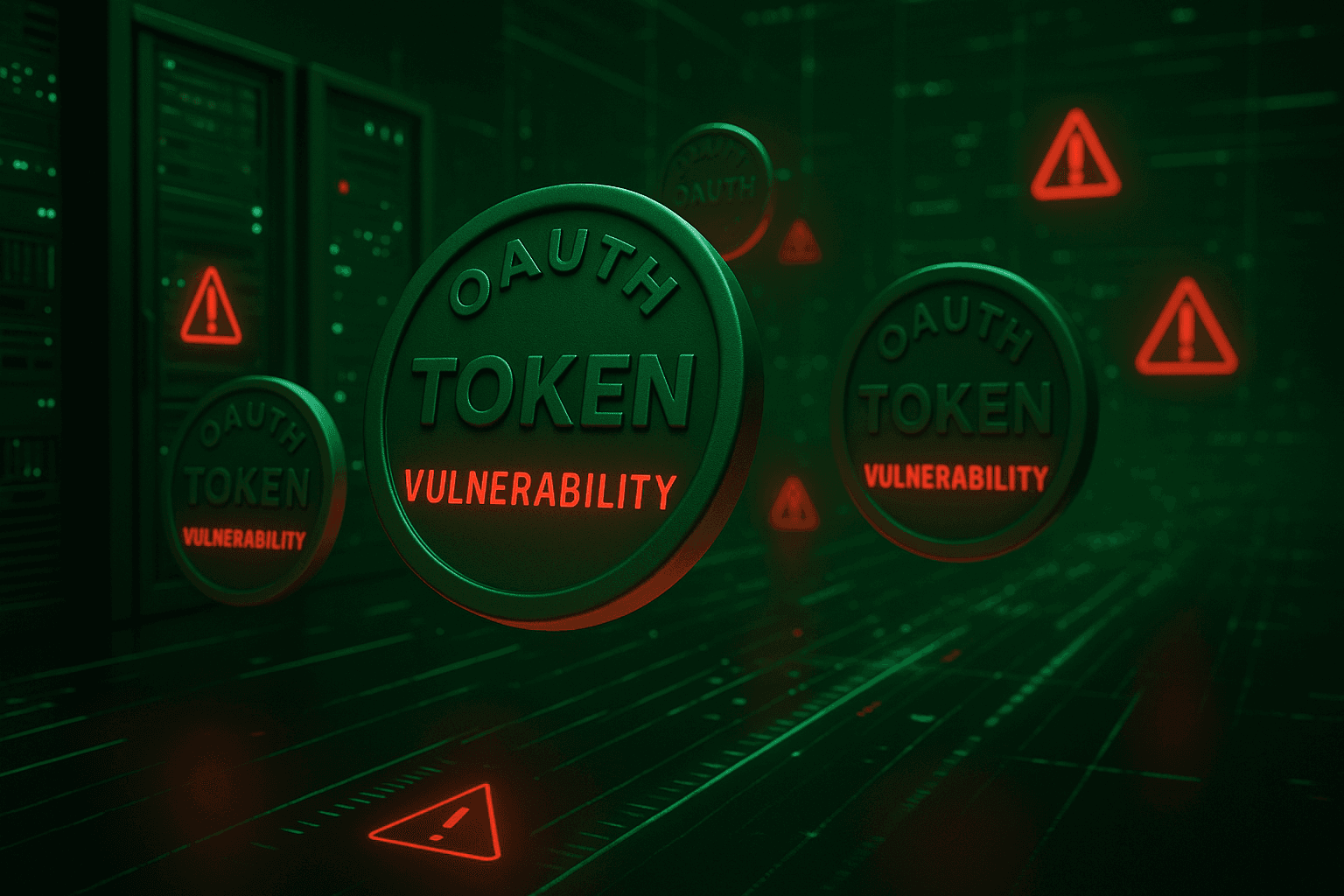
Salesforce has disabled the Klue app integration due to OAuth token abuse, exposing customer data. This incident highlights the critical need for robust security measures around OAuth implementations. Organizations must review their authentication practices and implement strong monitoring to prevent similar breaches.
Introduction: Understanding the Threat
In an era where digital transformation is pivotal, SaaS applications like Salesforce have become integral to organizational operations. However, with increased reliance on third-party integrations, the security landscape becomes more complex. The recent disabling of the Klue app integration by Salesforce underscores the vulnerabilities inherent in OAuth token management, a crucial component of modern authentication protocols.
OAuth, or Open Authorization, serves as a secure delegation protocol, allowing applications to access user data without revealing passwords. However, its misuse can lead to significant data breaches, as showcased by the Salesforce-Klue incident. Historically, OAuth-related vulnerabilities have been exploited by attackers to gain unauthorized access to sensitive information, emphasizing the need for stringent security measures.
The Threat Landscape: Current State of Affairs
The cybersecurity landscape is continuously evolving, with attackers finding novel ways to exploit system vulnerabilities. According to industry reports, OAuth token abuse has been identified as a growing concern, with a 30% increase in incidents over the past year. This trend is part of a broader pattern where attackers leverage third-party app integrations to bypass traditional security measures.
Recent incidents, such as the Microsoft 365 OAuth token compromise, underscore the potential for significant data exposure and financial loss. As organizations integrate more applications into their workflows, the risk multiplies, necessitating a proactive approach to security.
Technical Deep Dive: How the Attack Works
The abuse of OAuth tokens typically involves intercepting or generating tokens that grant unauthorized access to user data. Attackers may exploit weak token issuance processes or intercept tokens during transmission. In the Salesforce-Klue incident, it is suspected that attackers leveraged a previously unknown flaw in the OAuth implementation to gain access to sensitive data.
Technical indicators of compromise (IOCs) include unusual access patterns, such as tokens being used from unfamiliar IP addresses or abnormal access times. Organizations should implement strict monitoring and logging of token usage to identify potential abuses early.
Impact Assessment: Who Is Affected and How
The impact of the Salesforce-Klue incident is far-reaching, affecting numerous industries that rely on competitive intelligence and customer relationship management tools. The exposed data may include sensitive customer information, leading to potential financial and reputational damage.
From a regulatory perspective, organizations may face fines and legal consequences if found non-compliant with data protection regulations such as GDPR. It is crucial for affected entities to assess the breach's impact and implement corrective measures promptly.
Real-World Case Studies
Past incidents, such as the Slack OAuth token breach, provide valuable insights into the consequences of token abuse. In that case, attackers gained access to private messages and sensitive corporate information, leading to significant reputational harm and financial loss for the affected company.
Lessons learned from these incidents emphasize the need for robust authentication protocols and ongoing monitoring of third-party integrations to minimize security risks.
Mitigation Strategies: Protecting Your Organization
Organizations should implement a multi-layered security approach to mitigate OAuth token abuse risks. Immediate actions include disabling unused app integrations and revisiting current authentication protocols. Short-term measures involve conducting thorough security audits and strengthening token issuance processes.
Long-term strategies include training staff on security best practices and investing in advanced security tools that offer real-time monitoring and anomaly detection. Additionally, organizations should consider implementing multi-factor authentication (MFA) to enhance security further.
Detection and Response
Detecting OAuth token abuse requires comprehensive monitoring tools capable of analyzing access patterns and identifying anomalies. Signs of compromise may include unusual access attempts from unfamiliar locations or times.
Incident response procedures should be well-defined, involving immediate revocation of compromised tokens and a thorough investigation to understand the breach's scope. Forensic analysis can help identify the attack vector and inform future prevention strategies.
Expert Insights: Industry Perspective
Industry experts predict that OAuth token abuse will become more prevalent as attackers refine their techniques. It is crucial for security teams to stay informed about emerging threats and adapt their defenses accordingly.
Future trends suggest an increase in automated attacks targeting OAuth vulnerabilities, underscoring the importance of proactive security measures and continuous monitoring.
Conclusion: Key Takeaways
In light of the Salesforce-Klue incident, organizations must prioritize OAuth security to protect sensitive data. Implementing robust authentication protocols, conducting regular security audits, and investing in advanced security tools are essential steps in mitigating risks.
- Review and strengthen OAuth token management practices
- Implement multi-factor authentication across all applications
- Conduct regular security audits and penetration testing
- Invest in real-time monitoring and anomaly detection tools
- Educate staff on security best practices and potential threats
Discussion
Share Your Thoughts
Loading comments...
Stay Updated
Subscribe to our newsletter for the latest cybersecurity insights, threat intelligence, and security best practices.