

Silent Patches: Unseen Threats and Their Impact on Cyber Defense
Understanding the Risks and Solutions of Silent Security Fixes
Executive Summary
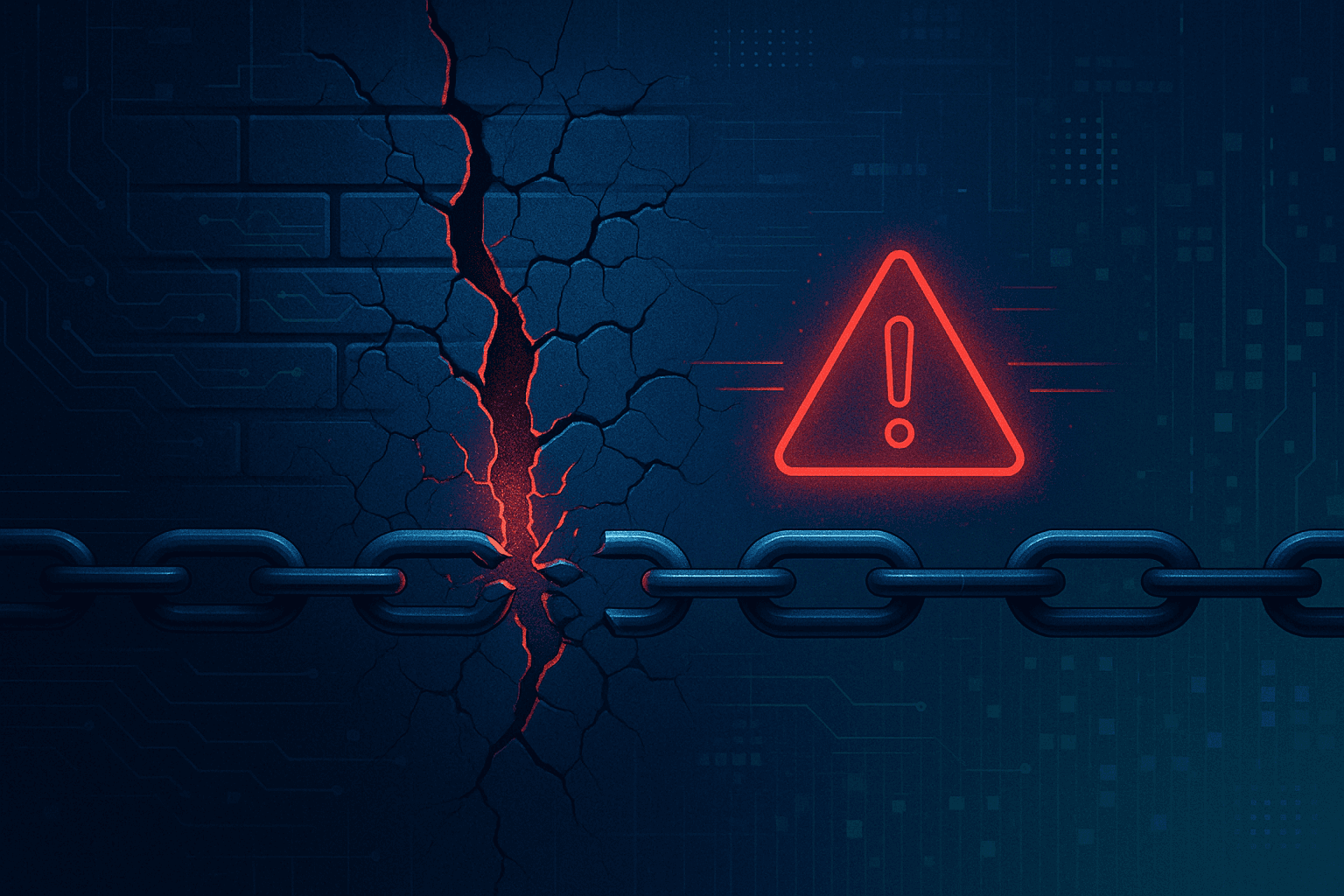
Silent patches pose significant risks by providing attackers with exploit intelligence while leaving defenders uninformed. Organizations must prioritize transparency in patch management to mitigate potential threats.
Introduction: Understanding the Threat
In the rapidly evolving field of cybersecurity, silent patches present a unique and insidious threat. These patches, applied without public disclosure of vulnerabilities, often leave defenders in the dark. Despite the intention to quickly address issues, they may inadvertently provide attackers with valuable exploit intelligence. Understanding the implications of silent patches is crucial for any organization seeking to safeguard its digital assets.
Historically, the cybersecurity community has emphasized the importance of transparency and communication. This approach enables defenders to prioritize risks effectively and deploy resources where they are most needed. However, silent patches disrupt this balance, creating a landscape where attackers may have more information than those tasked with defense.
The Threat Landscape: Current State of Affairs
The current cybersecurity landscape is characterized by an intricate web of vulnerabilities and threats. According to recent industry reports, the frequency of cyber attacks has increased by 15% over the past year, with vulnerabilities being a primary vector. Silent patches contribute to this environment by obscuring information that could otherwise be used to strengthen defenses.
One of the most significant challenges is the lack of context provided by silent patches. Without detailed information, defenders struggle to assess the severity of vulnerabilities and prioritize accordingly. This can lead to misallocated resources and increased exposure to attacks.
Recent incidents highlight the dangers of silent patches. In 2022, a major financial institution experienced a breach due to a vulnerability that had been silently patched. The lack of disclosure prevented the institution from implementing necessary safeguards, resulting in significant financial losses and reputational damage.
Technical Deep Dive: How the Attack Works
Understanding the mechanics of attacks that exploit silent patches is crucial. Attackers often reverse-engineer patches to identify the underlying vulnerabilities. This process involves analyzing the differences between software versions to pinpoint changes, which can then be tested for weaknesses.
Once a vulnerability is identified, attackers develop exploits—pieces of code designed to take advantage of the flaw. They may use techniques such as buffer overflow, code injection, or privilege escalation to gain unauthorized access or control.
Technical indicators of compromise (IOCs) include unusual network traffic patterns, unexpected software behavior, and unauthorized access attempts. Security teams should be vigilant in monitoring for these signs to detect potential exploitation early.
Impact Assessment: Who Is Affected and How
The impact of silent patches extends across various industries, from finance to healthcare. Financial institutions are particularly vulnerable due to the high value of the data they hold and the complexity of their IT environments. A breach can lead to substantial financial losses, legal liabilities, and damaged reputations.
In healthcare, patient data is a prime target for attackers. A successful exploit can result in data breaches that compromise patient privacy and disrupt critical services. Regulatory bodies, such as GDPR in Europe, impose stringent penalties for such breaches, further exacerbating the impact.
Real-World Case Studies
The 2017 Equifax breach serves as a cautionary tale. A vulnerability in the Apache Struts framework was silently patched, but Equifax failed to apply the update promptly, resulting in a massive data breach affecting over 147 million people. This incident underscores the necessity of timely and informed patch management.
Mitigation Strategies: Protecting Your Organization
Organizations should adopt a proactive approach to patch management. Immediate actions include conducting regular vulnerability assessments and ensuring timely application of all patches—silent or otherwise.
Short-term security measures involve enhancing network monitoring and implementing intrusion detection systems (IDS) to identify potential exploits. Long-term strategies include adopting a risk-based approach to patch management, where vulnerabilities are prioritized based on their potential impact.
Specific tools such as vulnerability scanners and security information and event management (SIEM) systems can provide valuable insights and help automate the patch management process.
Detection and Response
Detection methods should focus on identifying anomalies that may indicate exploitation attempts. Network traffic analysis and endpoint monitoring are essential components of a robust detection strategy.
Incident response procedures must be well-defined and regularly tested. Rapid containment and remediation are critical to minimizing damage. Forensic analysis can provide insights into the attack and inform future defenses.
Expert Insights: Industry Perspective
Experts predict that the trend of silent patches will continue as vendors balance security with disclosure risks. However, the industry is moving towards greater transparency, with initiatives such as coordinated vulnerability disclosure gaining traction.
Security teams should prepare for an evolving threat landscape where cybercriminals increasingly exploit undisclosed vulnerabilities. Staying informed about emerging threats and maintaining a robust security posture are essential for resilience.
Conclusion: Key Takeaways
Silent patches, while intended to enhance security, can inadvertently empower attackers. Organizations must prioritize transparency and informed decision-making in patch management. By understanding the risks and implementing robust defenses, they can protect their digital assets and maintain trust with stakeholders.
- Emphasize transparency in patch management.
- Regularly assess vulnerabilities and prioritize patches.
- Enhance detection and response capabilities.
- Adopt a risk-based approach to cybersecurity.
- Stay informed about emerging threats and industry best practices.
Discussion
Share Your Thoughts
Loading comments...
Stay Updated
Subscribe to our newsletter for the latest cybersecurity insights, threat intelligence, and security best practices.