

The Hidden Costs of AI in Cybersecurity: A Critical Analysis
Balancing AI Innovation with Financial Sustainability
Executive Summary
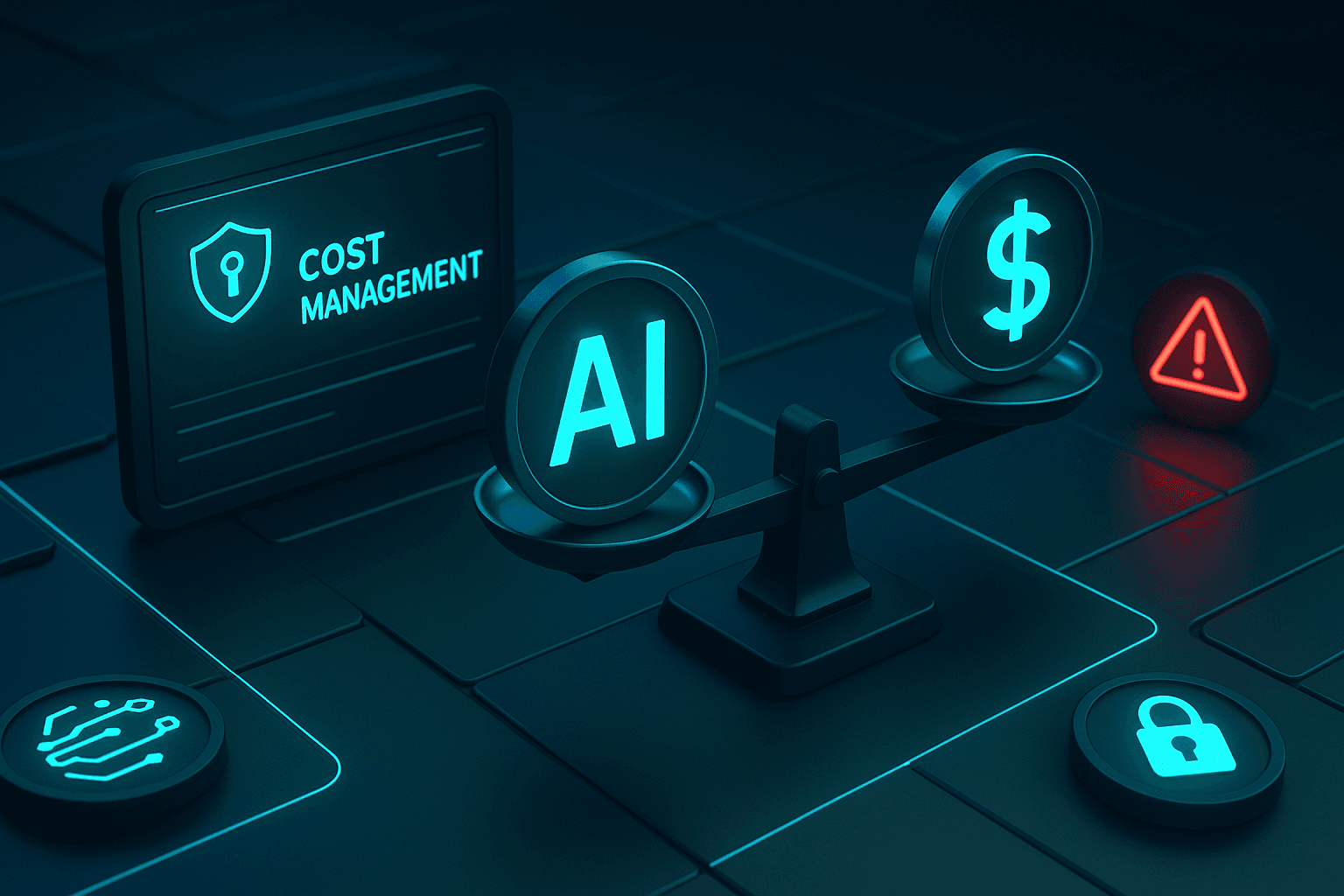
Artificial intelligence is revolutionizing cybersecurity with its ability to enhance threat detection and response. However, the financial implications of AI, particularly regarding token consumption and AI credits, are considerable. Organizations must strategically balance these costs with performance benefits to ensure sustainable cybersecurity practices.
Introduction: Understanding the Threat
The integration of AI into cybersecurity frameworks represents a double-edged sword. While it offers enhanced capabilities, such as real-time threat detection and automated response, the associated costs can be prohibitive. Understanding these financial implications is crucial for organizations looking to leverage AI without compromising their budgetary constraints.
Historically, technological advancements in cybersecurity have come with their sets of challenges. The adoption of agentic AI is no different, introducing both opportunities and risks.
The Threat Landscape: Current State of Affairs
The cybersecurity industry is at a pivotal point where AI's potential is being harnessed to combat increasingly sophisticated threats. Market analysis indicates a significant rise in AI adoption across sectors, with a corresponding increase in token consumption costs. Industry reports suggest that these costs could soon outpace the budgets allocated for cybersecurity.
Recent incidents highlight the growing dependency on AI-driven solutions, prompting a reassessment of cost management strategies.
Technical Deep Dive: How the Attack Works
AI systems in cybersecurity function by analyzing vast amounts of data, requiring substantial computational resources. Token consumption is a key factor, as each AI query or command depletes the available tokens. Mismanagement of these resources could lead to operational bottlenecks or even system failures.
The AI credit system further complicates cost management. Credits are consumed based on the complexity and frequency of AI operations. Failing to account for these can result in unexpected financial burdens.
Impact Assessment: Who Is Affected and How
Industries heavily reliant on AI for cybersecurity, such as finance and healthcare, are particularly vulnerable to these cost implications. A mismanaged AI budget can lead to reduced operational efficiency and increased susceptibility to cyber threats.
Data breaches resulting from compromised AI systems can have severe regulatory and compliance repercussions, necessitating a proactive approach to cost management.
Real-World Case Studies
Organizations worldwide have faced challenges when integrating AI into their cybersecurity strategies. A notable case involved a financial institution that underestimated its AI credit consumption, leading to a temporary suspension of AI services and increased vulnerability to cyber attacks.
Mitigation Strategies: Protecting Your Organization
To mitigate these risks, organizations should implement comprehensive cost management strategies. This includes regular audits of AI token usage and the establishment of monitoring systems to track AI credit consumption in real-time.
Investing in AI optimization tools can also help streamline operations and reduce unnecessary expenditures.
Detection and Response
Organizations should enhance their detection mechanisms to identify signs of AI resource mismanagement. Regular reviews and updates to incident response protocols are necessary to address these financial threats effectively.
Expert Insights: Industry Perspective
Experts predict a future where AI's role in cybersecurity will continue to expand, necessitating more sophisticated cost management strategies. Security professionals must remain vigilant and adaptable to these evolving challenges.
Conclusion: Key Takeaways
AI in cybersecurity offers immense potential but at a cost. Strategic planning and continuous monitoring are essential to balance innovation with financial sustainability.
- Regularly audit AI token usage.
- Monitor AI credit consumption in real-time.
- Invest in optimization tools.
- Update incident response protocols.
- Stay informed of industry trends.
Discussion
Share Your Thoughts
Loading comments...
Stay Updated
Subscribe to our newsletter for the latest cybersecurity insights, threat intelligence, and security best practices.