
UK's Social Media Ban for Minors Sparks Privacy Concerns
Navigating the Complex Intersection of Child Safety and Privacy
Executive Summary
The UK's decision to ban individuals under 16 years old from user-to-user social media platforms has sparked significant privacy concerns. This move, aimed at protecting minors, presents notable challenges in terms of age verification and data privacy. Organizations must navigate these changes by implementing robust systems and ensuring compliance with new regulations.
Introduction: Understanding the Threat
The UK's proposed social media ban for individuals under 16 years old has sparked considerable debate among privacy experts and organizations alike. As the digital landscape evolves, ensuring the safety of young users while maintaining privacy standards presents a complex challenge. This issue is of paramount importance to organizations today, as the implications extend beyond the immediate user base to encompass broader regulatory and compliance concerns.
Historically, the protection of minors online has been a contentious topic, with various countries implementing different measures to address this issue. However, the UK's approach, which involves restricting access to social media platforms for those under 16, marks a significant shift. This move comes amid growing concerns about the potential for online exploitation and the need to safeguard personal data.
The Threat Landscape: Current State of Affairs
In the current digital age, social media platforms have become integral to everyday life, particularly for younger users. However, the increasing prevalence of online threats, including cyberbullying, exploitation, and data breaches, has necessitated stricter regulations. Industry statistics reveal a growing number of incidents involving minors, underscoring the need for preventive measures.
This proposed ban aligns with global trends toward enhancing online safety for minors. Similar initiatives have been observed in countries like the United States and Australia, where governments are enacting laws to protect young users. These efforts are part of a broader movement to address the complexities of child safety in the digital realm.
Technical Deep Dive: How the Attack Works
At the core of the UK's social media ban is the challenge of age verification. Ensuring that users are genuinely above the age threshold is a complex task, involving sophisticated technologies and processes. This includes the use of machine learning algorithms to analyze user data and verify ages accurately.
One potential attack vector involves the manipulation of age verification systems. Malicious actors could exploit vulnerabilities in these systems to bypass restrictions, potentially leading to unauthorized access by minors. It's crucial to implement robust security measures, including encryption and multi-factor authentication, to safeguard these processes.
Technical indicators of compromise (IOCs) related to age verification systems could include unusual login patterns, discrepancies in user data, and attempts to manipulate system algorithms. Organizations must remain vigilant to identify and mitigate these threats effectively.
Impact Assessment: Who Is Affected and How
The implications of this ban extend to various sectors, particularly social media companies, technology firms, and educational institutions. These organizations must implement age verification systems, which could result in significant financial and operational challenges.
For social media companies, the requirement to verify user ages could lead to increased costs and potential disruptions in operations. Additionally, there are concerns about data privacy, as the collection and handling of user data for age verification purposes must comply with stringent regulations.
From a regulatory perspective, organizations must navigate the complex landscape of compliance, ensuring adherence to data protection laws while safeguarding user privacy. Failure to do so could result in legal repercussions and reputational damage.
Real-World Case Studies
Several countries have implemented similar measures to protect minors online, offering valuable lessons for organizations navigating the UK's proposed ban. In the United States, the Children's Online Privacy Protection Act (COPPA) mandates stringent requirements for protecting children's data online, providing a framework for compliance.
Australia's approach to online safety, including the establishment of the eSafety Commissioner, highlights the importance of having dedicated oversight bodies to enforce regulations and protect minors. These examples underscore the need for organizations to adopt proactive measures and collaborate with regulatory bodies to ensure compliance and protect users.
Mitigation Strategies: Protecting Your Organization
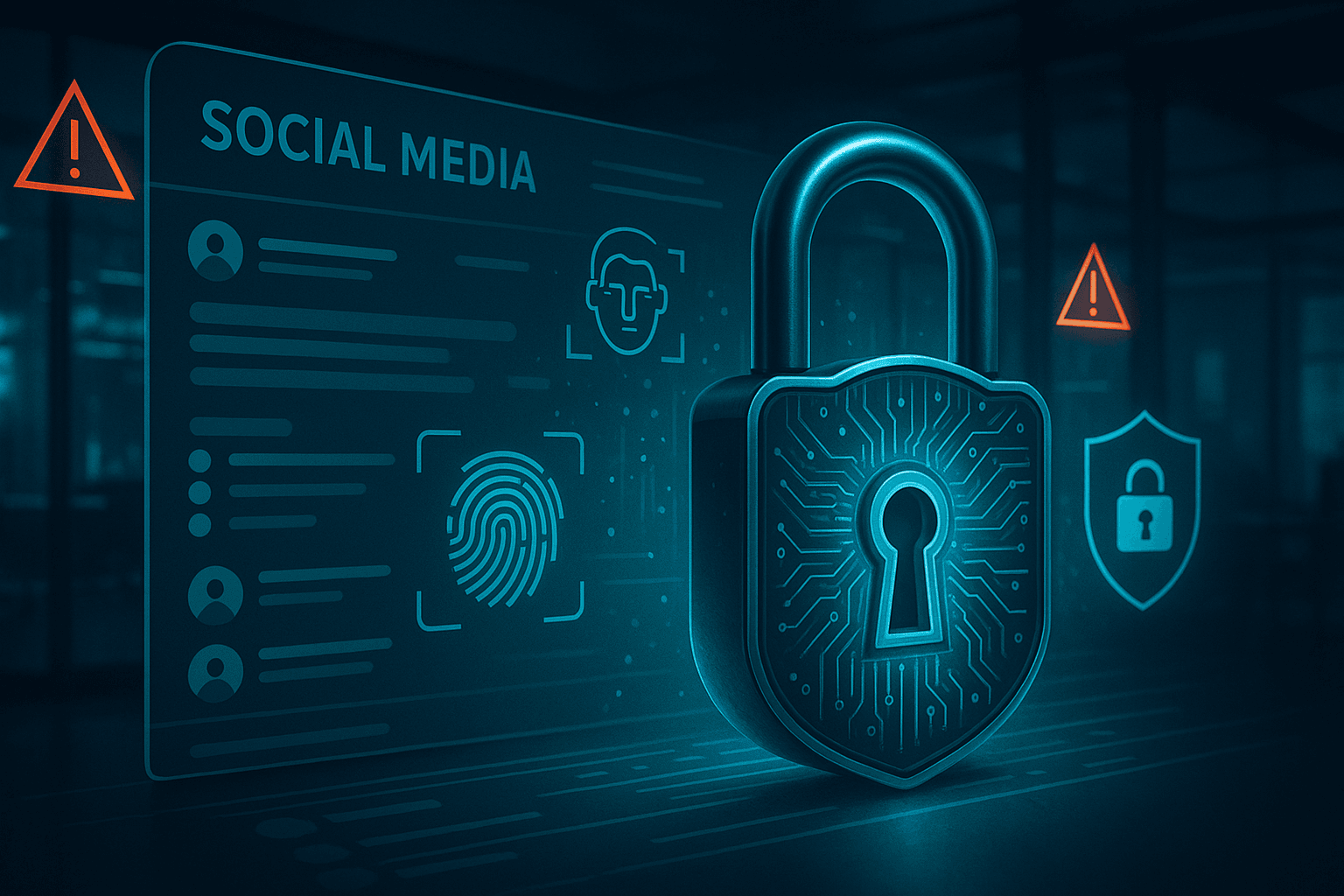
Organizations must take immediate action to prepare for the UK's social media ban for minors. Implementing robust age verification systems is crucial, utilizing technologies such as facial recognition and biometric authentication to ensure accuracy.
Short-term security measures include conducting comprehensive risk assessments to identify potential vulnerabilities and implementing encryption protocols to protect user data. Collaborating with cybersecurity experts can provide valuable insights and recommendations for enhancing security measures.
Long-term strategic improvements involve developing a comprehensive compliance framework, ensuring adherence to data protection laws and regulations. Organizations should also invest in employee training programs to raise awareness of privacy issues and enhance security practices.
Detection and Response
Detecting potential threats and signs of compromise is essential for organizations implementing age verification systems. Indicators include unusual login patterns, discrepancies in user data, and attempts to manipulate system algorithms.
Incident response procedures should be established to address potential breaches swiftly. This includes conducting forensic investigations to identify the root cause of incidents and implementing measures to prevent future occurrences.
Expert Insights: Industry Perspective
Industry experts emphasize the need for a balanced approach to protecting minors online. While age verification is crucial, it's equally important to ensure that privacy standards are maintained. The evolution of the threat landscape necessitates ongoing vigilance and adaptation to emerging trends.
Future predictions indicate that the demand for enhanced online safety measures will continue to grow, driven by advancements in technology and increasing awareness of privacy issues. Organizations must remain agile and proactive in addressing these challenges, ensuring robust systems and processes are in place.
Conclusion: Key Takeaways
The UK's proposed social media ban for minors presents significant challenges and opportunities for organizations. By adopting proactive measures, implementing robust security systems, and ensuring compliance with regulations, organizations can navigate this complex landscape effectively.
- Implement robust age verification systems to comply with regulations.
- Conduct risk assessments to identify and address potential vulnerabilities.
- Collaborate with cybersecurity experts to enhance security measures.
- Invest in employee training programs to raise awareness of privacy issues.
- Develop a comprehensive compliance framework to adhere to data protection laws.
Discussion
Share Your Thoughts
Loading comments...
Stay Updated
Subscribe to our newsletter for the latest cybersecurity insights, threat intelligence, and security best practices.