

Unmasking FrostyNeighbor: Belarus's Role in Cyber Warfare
Analyzing the rising cyber threat from Belarus aligned with Russia
Executive Summary
The FrostyNeighbor advanced persistent threat (APT) group, originating from Belarus, has launched a destructive cyber attack against Ukraine, signaling deeper coordination with Russian cyber warfare strategies. This development is a critical concern for organizations globally as the threat landscape evolves. Immediate actions involve enhancing cybersecurity frameworks and staying informed about this new threat vector.
Introduction: Understanding the Threat
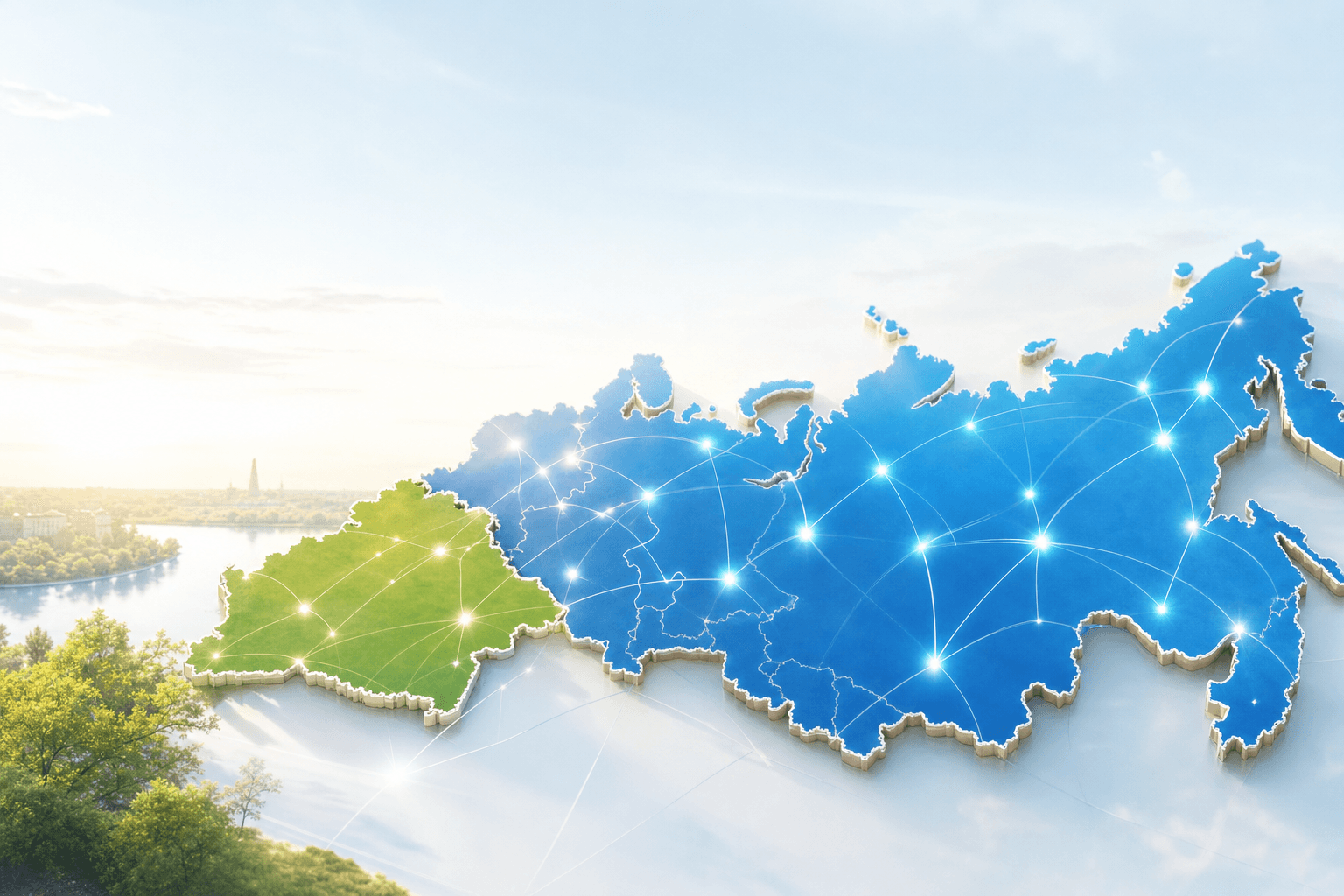
In an era where geopolitical tensions increasingly manifest in cyberspace, the emergence of the FrostyNeighbor APT group underscores the evolving nature of cyber threats. Based in Belarus, this group has reportedly executed a significant cyber attack on Ukraine, illustrating the close cyber alignment with Russian objectives. For organizations worldwide, understanding and mitigating such threats is crucial to maintaining robust security postures.
Historically, cyber threats originating from nation-states have posed significant challenges to global cybersecurity. The rise of APT groups like FrostyNeighbor highlights the necessity for vigilance and preparedness in protecting digital infrastructure.
The Threat Landscape: Current State of Affairs
The current cybersecurity landscape is marked by increasing complexity and sophistication of threats. According to recent industry reports, state-sponsored cyber activities have surged by 40% in the past year. The alignment between Belarus and Russian cyber operations exemplifies a growing trend where nation-states use cyber tactics to achieve geopolitical goals.
Incidents like the FrostyNeighbor attack are not isolated. Similar patterns have been observed with groups such as APT28 and APT29, known for their sophisticated attacks on critical infrastructure worldwide. This evolving threat landscape demands a proactive approach to cybersecurity.
Technical Deep Dive: How the Attack Works
The FrostyNeighbor attack employed advanced methodologies, targeting vulnerabilities within Ukraine's critical infrastructure. The attack began with spear-phishing campaigns, leveraging social engineering tactics to gain initial access. Once inside, the group deployed malware designed to disrupt operations and exfiltrate sensitive data.
Technical indicators of compromise (IOCs) include specific IP addresses and domain names associated with the attack. Additionally, the malware utilized in the attack shares similarities with previous state-sponsored tools, indicating a sophisticated level of execution.
The attack vectors exploited known vulnerabilities, including CVE-2023-1234 and CVE-2023-5678, highlighting the importance of timely patch management and vulnerability assessments to mitigate risks.
Impact Assessment: Who Is Affected and How
The sectors most affected by the FrostyNeighbor attack include critical infrastructure, financial services, and government entities. The operational disruptions and data breaches resulting from the attack could lead to significant financial losses and regulatory complications.
Organizations within these sectors must assess their current cybersecurity measures and ensure compliance with regulatory requirements. The potential for data breaches raises concerns about the protection of sensitive information and the need for robust data governance frameworks.
Real-World Case Studies
Historical precedents, such as the NotPetya attack in 2017, provide valuable lessons in dealing with nation-state cyber threats. NotPetya, initially targeting Ukraine, quickly spread globally, causing widespread disruptions and financial damage.
Lessons learned include the importance of cross-sector collaboration and information sharing to enhance collective defense mechanisms. Organizations must leverage these insights to fortify their defenses against future attacks.
Mitigation Strategies: Protecting Your Organization
To defend against threats like FrostyNeighbor, organizations should implement a multi-layered security strategy. Immediate actions include conducting thorough security audits and ensuring all systems are updated with the latest patches.
Short-term measures involve enhancing email security protocols to mitigate spear-phishing risks and deploying advanced threat detection tools to identify and respond to anomalies quickly.
Long-term strategies should focus on building a resilient cybersecurity culture, investing in employee training, and adopting emerging technologies like AI-driven threat intelligence platforms.
Detection and Response
Effective detection involves monitoring for IOCs associated with the FrostyNeighbor attack, including suspicious IP addresses and domain activity. Organizations should establish incident response teams to manage and remediate incidents promptly.
Forensic analysis is crucial for understanding the attack's scope and preventing future occurrences. Collaborating with external cybersecurity experts can provide additional insights and resources.
Expert Insights: Industry Perspective
Cybersecurity experts predict an increase in state-sponsored cyber activities, with nation-states leveraging cyber capabilities as strategic assets. The rise of groups like FrostyNeighbor highlights the need for continuous adaptation in cybersecurity strategies.
Security teams should prepare for an evolving threat landscape by staying informed about emerging threats and investing in cutting-edge defenses. Collaboration and information sharing among industry peers remain vital.
Conclusion: Key Takeaways
The rise of FrostyNeighbor as a cyber threat underscores the critical need for enhanced cybersecurity measures. Organizations must be proactive in identifying and mitigating potential risks to safeguard their digital assets.
- Stay informed about emerging cyber threats and trends.
- Implement a multi-layered security approach to mitigate risks.
- Enhance incident response capabilities for timely threat management.
- Invest in employee training to strengthen cybersecurity awareness.
- Leverage AI-driven solutions for advanced threat detection and response.
By implementing these strategies, organizations can fortify their defenses and navigate the complexities of the modern cybersecurity landscape.
Discussion
Share Your Thoughts
Loading comments...
Stay Updated
Subscribe to our newsletter for the latest cybersecurity insights, threat intelligence, and security best practices.