

Unmasking Kairos: The $1 Million Data Theft Extortion
A Deep Dive into the Unconventional Cyber Threat
Executive Summary
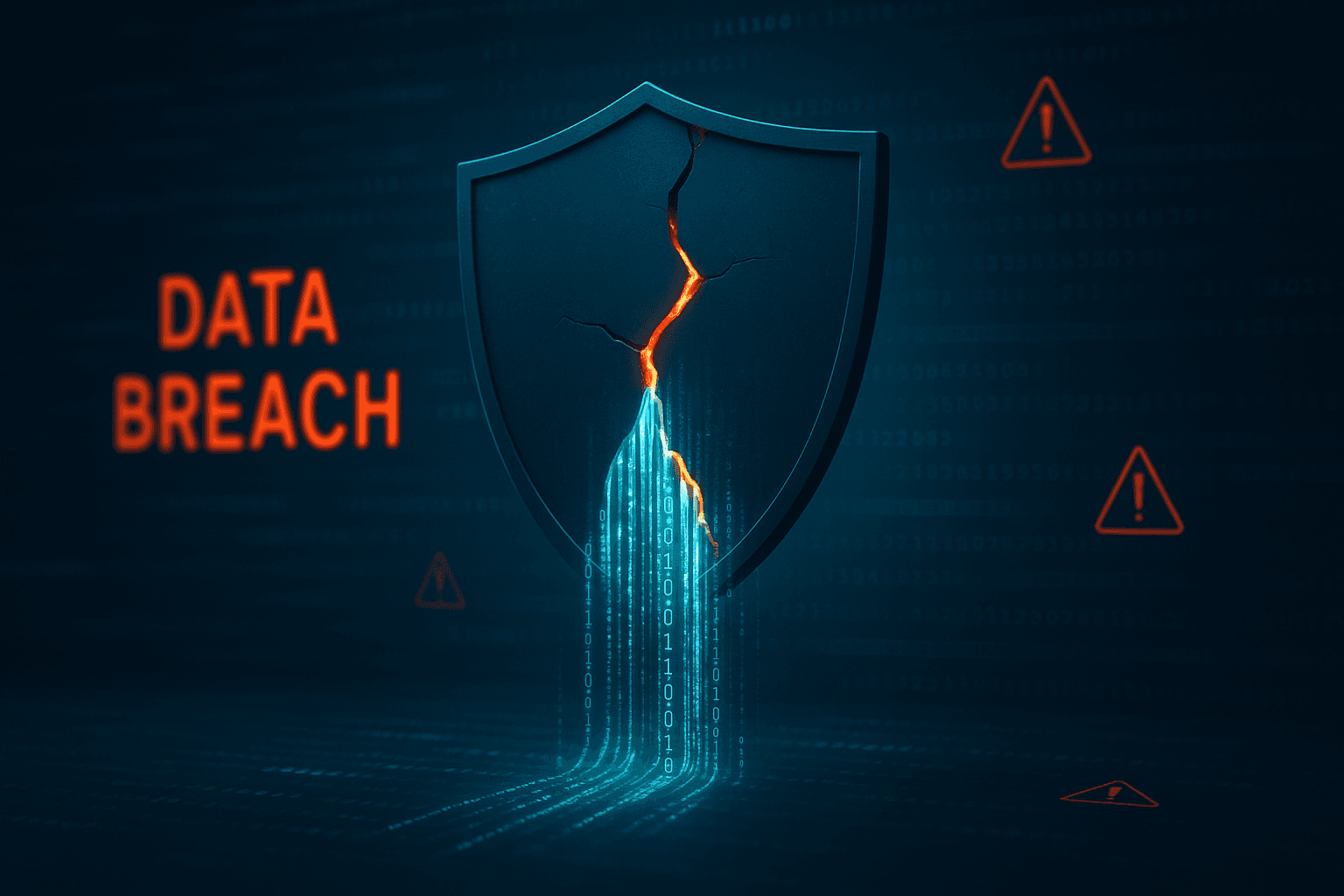
Kairos, a shadowy group, extorted $1 million from a U.S. government entity by threatening to leak stolen data, marking a deviation from typical ransomware tactics. This incident underscores the urgent need for robust data protection and negotiation strategies in the face of evolving cyber threats.
Introduction: Understanding the Threat
In a world where data is the new currency, cyber threats have evolved beyond traditional ransomware attacks. The case of Kairos, a group that extorted a U.S. government entity, highlights the growing sophistication and diversity of threats that organizations face today. This incident is a wake-up call for businesses to reassess their cybersecurity frameworks and prepare for unconventional attacks.
Historically, ransomware attacks involved encrypting files and demanding payment for decryption keys. However, the Kairos case represents a shift towards data-theft extortion, where attackers threaten to leak sensitive information unless their demands are met. This new tactic poses significant challenges to organizations, as it not only impacts financial stability but also tarnishes reputations and breaches regulatory compliance.
The Threat Landscape: Current State of Affairs
The cybersecurity landscape is in a constant state of flux, with new threats emerging at an alarming rate. According to industry reports, data-theft extortion cases have risen by 30% over the past year, signaling a shift in attack strategies. This trend is fueled by an increase in remote work, which has expanded the attack surface for cybercriminals.
Kairos's tactics are a reflection of this broader trend. By focusing on data theft rather than file encryption, they exploit the vulnerabilities inherent in data-heavy environments. This approach has been gaining traction among cybercriminals looking to maximize their leverage and minimize the risk of detection.
Technical Deep Dive: How the Attack Works
The Kairos attack exploited a combination of social engineering and technical vulnerabilities to gain access to sensitive data. The attackers used phishing emails to infiltrate the organization's network, bypassing traditional security measures. Once inside, they deployed custom scripts to exfiltrate data without triggering typical security alerts.
Technical indicators of compromise (IOCs) included unusual outbound data traffic and unauthorized access attempts to critical databases. The attackers also utilized secure communication channels to negotiate the ransom, leaving a minimal digital footprint. This level of sophistication suggests a well-organized operation with significant resources at their disposal.
Impact Assessment: Who Is Affected and How
The ramifications of the Kairos attack are far-reaching, affecting multiple sectors beyond the targeted government entity. Financial institutions, healthcare providers, and critical infrastructure operators are particularly vulnerable to data-theft extortion, given the sensitive nature of the data they handle.
The financial impact of paying a ransom is only part of the equation. Organizations also face operational disruptions, potential legal liabilities, and the loss of consumer trust. Moreover, regulatory bodies are increasingly scrutinizing how companies handle data breaches, adding another layer of complexity to incident response strategies.
Real-World Case Studies
Similar incidents in the past, such as the attack on a major healthcare provider in 2021, underscore the importance of proactive cybersecurity measures. In that case, the organization faced a $5 million ransom demand, which they ultimately paid to prevent the leak of patient records.
Lessons from these incidents highlight the need for comprehensive cybersecurity frameworks that prioritize data protection and incident response readiness. Organizations must learn from past mistakes to build resilient defenses against future threats.
Mitigation Strategies: Protecting Your Organization
Organizations can take several steps to protect against data-theft extortion. Immediate actions include conducting thorough risk assessments to identify vulnerabilities and implementing multi-factor authentication to secure access points. Short-term measures should focus on enhancing email security to prevent phishing attacks and deploying advanced threat detection solutions.
Long-term strategic improvements involve investing in data encryption technologies and developing robust incident response plans. Organizations should also consider adopting zero-trust architectures to limit internal access and ensure continuous monitoring of network activity.
Detection and Response
Effective detection methods involve monitoring for signs of compromise, such as unusual data transfers and failed login attempts. Organizations should establish clear incident response procedures to quickly isolate affected systems and prevent further data loss.
Forensic analysis plays a critical role in understanding the attack's scope and identifying the attackers' tactics, techniques, and procedures (TTPs). This information is vital for preventing future incidents and improving overall security posture.
Expert Insights: Industry Perspective
Cybersecurity experts predict that data-theft extortion will continue to rise as cybercriminals refine their tactics. The adoption of artificial intelligence and machine learning by attackers is expected to further complicate threat detection and response efforts.
Security teams must stay ahead of these trends by investing in advanced technologies and fostering a culture of cybersecurity awareness. Preparing for the unexpected is crucial in an era where the threat landscape is constantly evolving.
Conclusion: Key Takeaways
In conclusion, the Kairos incident serves as a reminder of the ever-changing nature of cyber threats. Organizations must prioritize data protection and prepare for unconventional attacks to safeguard their assets and maintain stakeholder trust.
- Implement multi-factor authentication to secure access points
- Enhance email security to prevent phishing attacks
- Invest in data encryption technologies for sensitive information
- Adopt zero-trust architectures to limit internal access
- Develop robust incident response plans
- Continuously monitor network activity for signs of compromise
Discussion
Share Your Thoughts
Loading comments...
Stay Updated
Subscribe to our newsletter for the latest cybersecurity insights, threat intelligence, and security best practices.