

Unmasking Streaming Stick Threats: Cyber Risks Revealed
Exploring the hidden dangers of TV streaming devices
Executive Summary
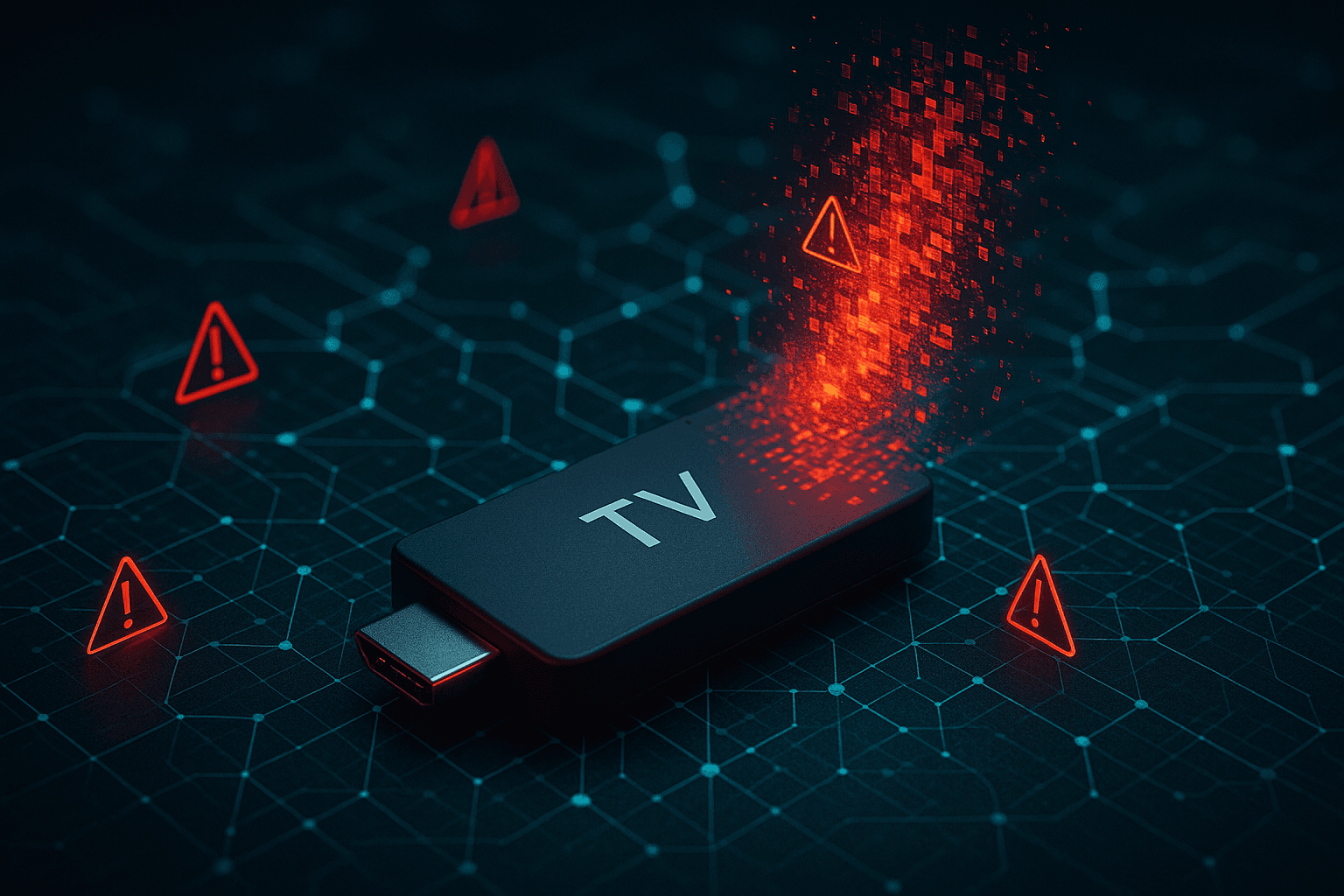
TV streaming sticks have emerged as hidden cybersecurity threats, often used in fraudulent ad operations and unauthorized network access. This article explores these risks, their impact on industries, and offers guidance on mitigation strategies.
Introduction: Understanding the Threat
In the age of digital convenience, TV streaming sticks have become household staples. However, their widespread adoption brings unforeseen cybersecurity risks. These devices, often marketed with promises of unlimited content, can secretly exploit users' internet connections, posing significant threats to both individual users and organizations.
Understanding the nature and extent of these threats is crucial for organizations to safeguard their networks and data. The history of similar threats shows a pattern of exploiting consumer devices for malicious purposes, emphasizing the need for vigilance.
The Threat Landscape: Current State of Affairs
The cybersecurity landscape is constantly evolving, with consumer devices like TV streaming sticks becoming new attack vectors. A study revealed that many of these devices are used to spoof mobile phones, generating fraudulent ad clicks on AI-generated websites.
Industry statistics indicate a growing trend in the exploitation of IoT devices, with an estimated 30% increase in attacks targeting such devices in the past year alone. This pattern highlights the urgent need for enhanced security measures to protect against these sophisticated operations.
Technical Deep Dive: How the Attack Works
Streaming sticks are often equipped with modified firmware that allows them to operate covertly. These devices mimic legitimate user activity, such as mobile phone clicks, to generate fraudulent ad revenue. The attack leverages the device's internet connection, routing traffic through the user's network, thus disguising the source of malicious activity.
Technical indicators of compromise (IOCs) include unusual network traffic patterns and unexpected bandwidth usage. Attackers often use obfuscated code to evade detection, making it challenging for traditional security measures to identify and block these operations.
Impact Assessment: Who Is Affected and How
The impact of these threats is far-reaching, affecting industries reliant on digital advertising and e-commerce. Fraudulent ad operations can lead to significant financial losses for online merchants and advertising networks.
Organizations face potential regulatory and compliance challenges, particularly if compromised devices lead to data breaches or unauthorized network access. The financial and operational consequences underscore the necessity for robust security policies and practices.
Real-World Case Studies
Previous incidents have demonstrated the destructive potential of compromised consumer devices. In one notable case, a major e-commerce platform experienced a significant drop in revenue due to fraudulent ad activities originating from compromised streaming sticks.
Lessons learned from these incidents highlight the importance of proactive threat detection and response strategies to mitigate similar risks in the future.
Mitigation Strategies: Protecting Your Organization
Organizations can protect against these threats by implementing network segmentation and using advanced threat detection tools. Immediate actions include auditing connected devices and restricting network access for non-essential devices.
Long-term strategies involve educating users about device security and enforcing strict access controls. Consider deploying network monitoring solutions to detect and respond to unusual traffic patterns indicative of malicious activity.
Detection and Response
Detecting compromised streaming sticks requires monitoring for signs of compromise, such as unexpected spikes in network traffic and unauthorized device activity. Incident response procedures should include isolating affected devices and conducting thorough forensic analysis to identify the scope of the compromise.
Expert Insights: Industry Perspective
Experts predict an increase in attacks targeting consumer devices as cybercriminals seek to exploit their vulnerabilities. Organizations must prepare by investing in security technologies and staying informed about emerging threats.
The evolving threat landscape necessitates a proactive approach to cybersecurity, emphasizing the importance of continuous monitoring and adaptive security measures.
Conclusion: Key Takeaways
In conclusion, TV streaming sticks represent a significant cybersecurity threat that demands attention from organizations and individuals alike. By understanding these risks and implementing effective mitigation strategies, stakeholders can protect their networks and data.
- Assess and secure all connected devices within your network.
- Implement advanced threat detection and response solutions.
- Educate users on the importance of device security.
- Regularly monitor network traffic for signs of compromise.
- Enforce network segmentation and access controls.
Discussion
Share Your Thoughts
Loading comments...
Stay Updated
Subscribe to our newsletter for the latest cybersecurity insights, threat intelligence, and security best practices.