

Unmasking TerminalFix: Combatting Fake CAPTCHA Backdoors
Protect your organization from sophisticated reverse-tunnel threats
Executive Summary
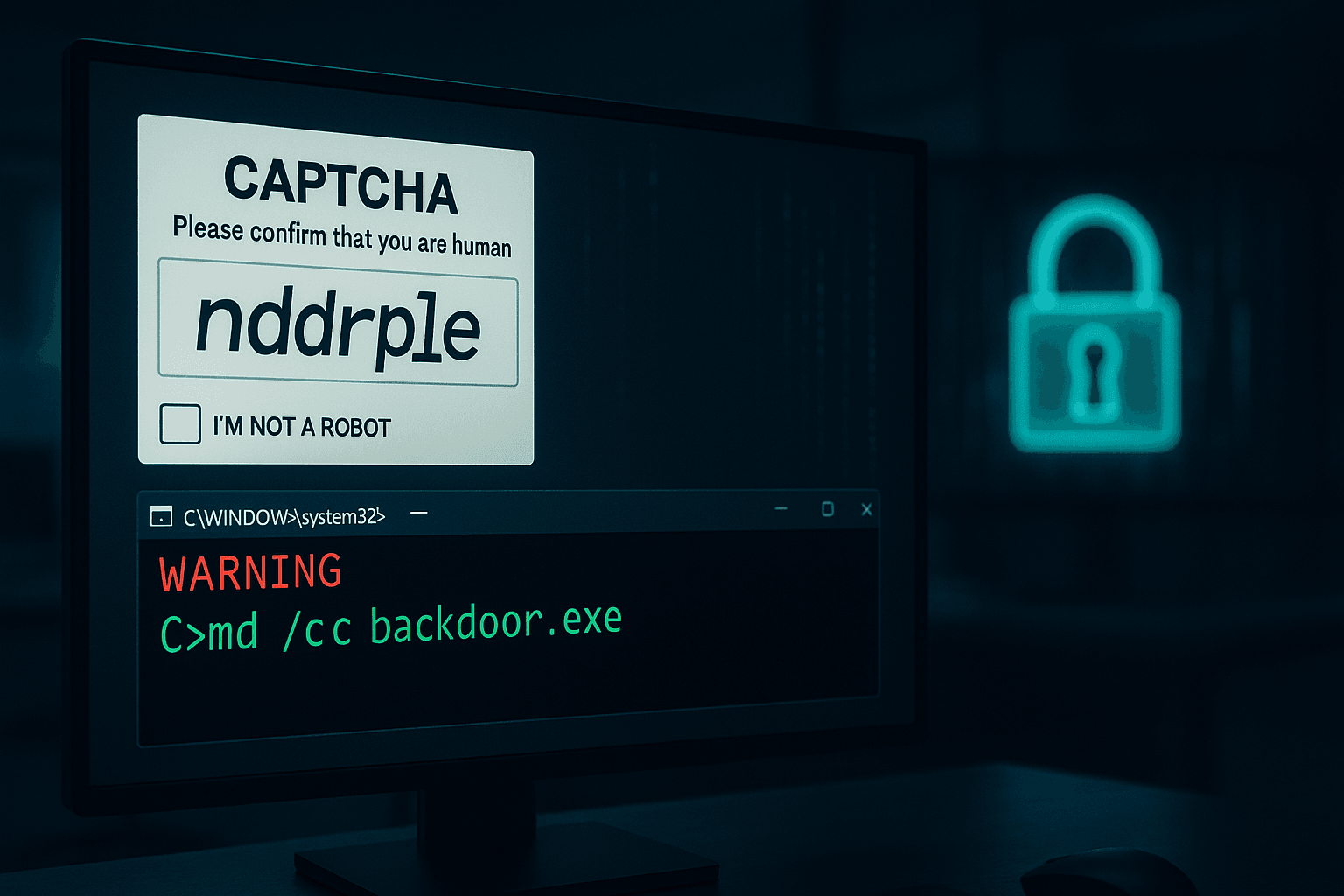
TerminalFix represents a sophisticated malware threat that utilizes fake Cloudflare CAPTCHAs to trick users into executing a reverse-tunnel backdoor. By targeting Windows Terminal and PowerShell, this variant increases the risk of unauthorized access and data breaches. Organizations must prioritize endpoint security and user awareness training to mitigate this threat.
Introduction: Understanding the Threat
In today's digital age, cybersecurity threats are evolving at an unprecedented pace. TerminalFix, a new variant of the ClickFix malware, exemplifies the ingenuity of cybercriminals in exploiting user trust and system vulnerabilities. By leveraging fake CAPTCHAs, this malware targets users of Windows Terminal and PowerShell, bypassing traditional security measures.
TerminalFix is particularly concerning for organizations as it capitalizes on the widespread use of these command-line interfaces, increasing the likelihood of successful infiltration. Understanding this threat's mechanics and implications is crucial for safeguarding sensitive data and maintaining operational integrity.
The evolution of ClickFix into TerminalFix underscores the persistent nature of cyber threats. Previous campaigns primarily directed victims to the Windows Run dialog, but the shift to Windows Terminal or PowerShell marks a significant escalation, necessitating proactive security measures.
The Threat Landscape: Current State of Affairs
The cybersecurity landscape is characterized by a continuous arms race between attackers and defenders. With malware attacks becoming more sophisticated, TerminalFix represents a broader trend of exploiting legitimate tools for malicious purposes. According to recent industry reports, over 70% of organizations have experienced some form of malware attack in the past year, highlighting the prevalence of such threats.
TerminalFix fits into a pattern of evolving attack vectors that target commonly used applications and interfaces. By utilizing social engineering tactics, such as fake CAPTCHAs, attackers increase the chances of user compliance and successful infiltration. This method aligns with recent findings that indicate a rise in socially engineered malware, with incidents increasing by 30% annually.
Similar incidents, such as the SolarWinds attack, demonstrate the potential impact of sophisticated malware campaigns. TerminalFix is part of a broader trend of targeting supply chains and critical infrastructure, emphasizing the need for comprehensive security strategies.
Technical Deep Dive: How the Attack Works
TerminalFix employs a multi-step approach to deceive users and infiltrate systems. The attack begins with a phishing email or malicious link directing users to a webpage mimicking a legitimate Cloudflare CAPTCHA. Once users interact with the fake CAPTCHA, they are prompted to execute a command in Windows Terminal or PowerShell.
Technical indicators of compromise (IOCs) include specific command prompts and unusual network activity. For example, users may see commands such as Invoke-WebRequest or curl, which are used to download and execute the backdoor payload. Attackers leverage reverse-tunnel protocols to establish a persistent connection, enabling remote access and data exfiltration.
The malware exploits vulnerabilities in Windows Terminal and PowerShell, though no specific CVEs are currently associated with TerminalFix. The attack's success relies on social engineering rather than technical exploits, emphasizing the importance of user vigilance.
Code snippets and command examples reveal the attack's sophistication. For instance, attackers may use Base64-encoded scripts to obfuscate their commands, making detection more challenging for traditional antivirus solutions.
Impact Assessment: Who Is Affected and How
TerminalFix poses a significant threat to various industries, particularly those relying heavily on Windows-based environments. Sectors such as finance, healthcare, and government are at heightened risk due to the sensitive nature of the data they handle.
The financial implications of a TerminalFix attack can be severe. Data breaches resulting from such malware can lead to regulatory fines, legal liabilities, and reputational damage. The operational impact includes potential downtime, loss of productivity, and compromised customer trust.
Data breach implications extend beyond immediate financial losses. Organizations may face long-term consequences, including increased scrutiny from regulatory bodies and loss of competitive advantage. Compliance with data protection regulations, such as GDPR, is critical to mitigating these risks.
Real-World Case Studies
Similar past incidents provide valuable insights into the potential impact of TerminalFix. The SolarWinds attack serves as a cautionary tale, demonstrating how sophisticated malware can compromise supply chains and disrupt critical services.
Lessons learned from these incidents emphasize the importance of proactive threat detection and response strategies. Organizations must prioritize continuous monitoring and incident response planning to mitigate the impact of advanced malware campaigns.
Mitigation Strategies: Protecting Your Organization
To safeguard against TerminalFix, organizations should implement a multi-layered defense strategy. Immediate actions include updating endpoint security solutions and conducting comprehensive user training to recognize phishing attempts and suspicious activity.
Short-term security measures involve enhancing network monitoring capabilities to detect unusual traffic patterns indicative of reverse-tunnel activity. Deploying multi-factor authentication (MFA) and strengthening access controls can further reduce the risk of unauthorized access.
Long-term strategic improvements focus on integrating threat intelligence feeds and leveraging machine learning to identify emerging threats. Organizations should also consider adopting zero-trust architecture to minimize attack surfaces and enhance overall security posture.
Specific tools and technologies, such as endpoint detection and response (EDR) solutions, play a crucial role in identifying and mitigating TerminalFix threats. Configuration recommendations include ensuring all systems and applications are up to date with the latest security patches.
Detection and Response
Effective detection of TerminalFix involves monitoring for specific signs of compromise, such as unusual command execution and outbound network connections to suspicious IP addresses. Implementing robust logging and analysis tools can aid in identifying these indicators.
Incident response procedures should prioritize isolating affected systems and conducting thorough forensic analysis to determine the attack's scope. Collaboration with external cybersecurity experts can provide additional insights and support during the response process.
Expert Insights: Industry Perspective
Industry experts highlight the evolving nature of malware threats, with TerminalFix representing a shift towards more sophisticated social engineering tactics. The future of cybersecurity will likely see increased collaboration between organizations and security vendors to address these challenges.
Predictions indicate a continued rise in malware attacks leveraging legitimate tools and interfaces. Security teams must prepare by investing in advanced threat detection and response capabilities and fostering a culture of security awareness within their organizations.
Conclusion: Key Takeaways
TerminalFix poses a critical threat to organizations, requiring a comprehensive approach to detection and mitigation. By understanding the attack's mechanics and implementing robust security measures, organizations can protect against this and similar threats.
- Enhance endpoint security solutions and conduct regular updates.
- Train users to recognize phishing attempts and social engineering tactics.
- Implement multi-factor authentication and strengthen access controls.
- Monitor network traffic for signs of unusual activity.
- Adopt a zero-trust architecture to minimize attack surfaces.
Discussion
Share Your Thoughts
Loading comments...
Stay Updated
Subscribe to our newsletter for the latest cybersecurity insights, threat intelligence, and security best practices.