
Unmasking the Rhysida Ransomware Threat: Safeguarding Organizations
How the Rhysida Ransomware Group Targets and How to Protect
Executive Summary
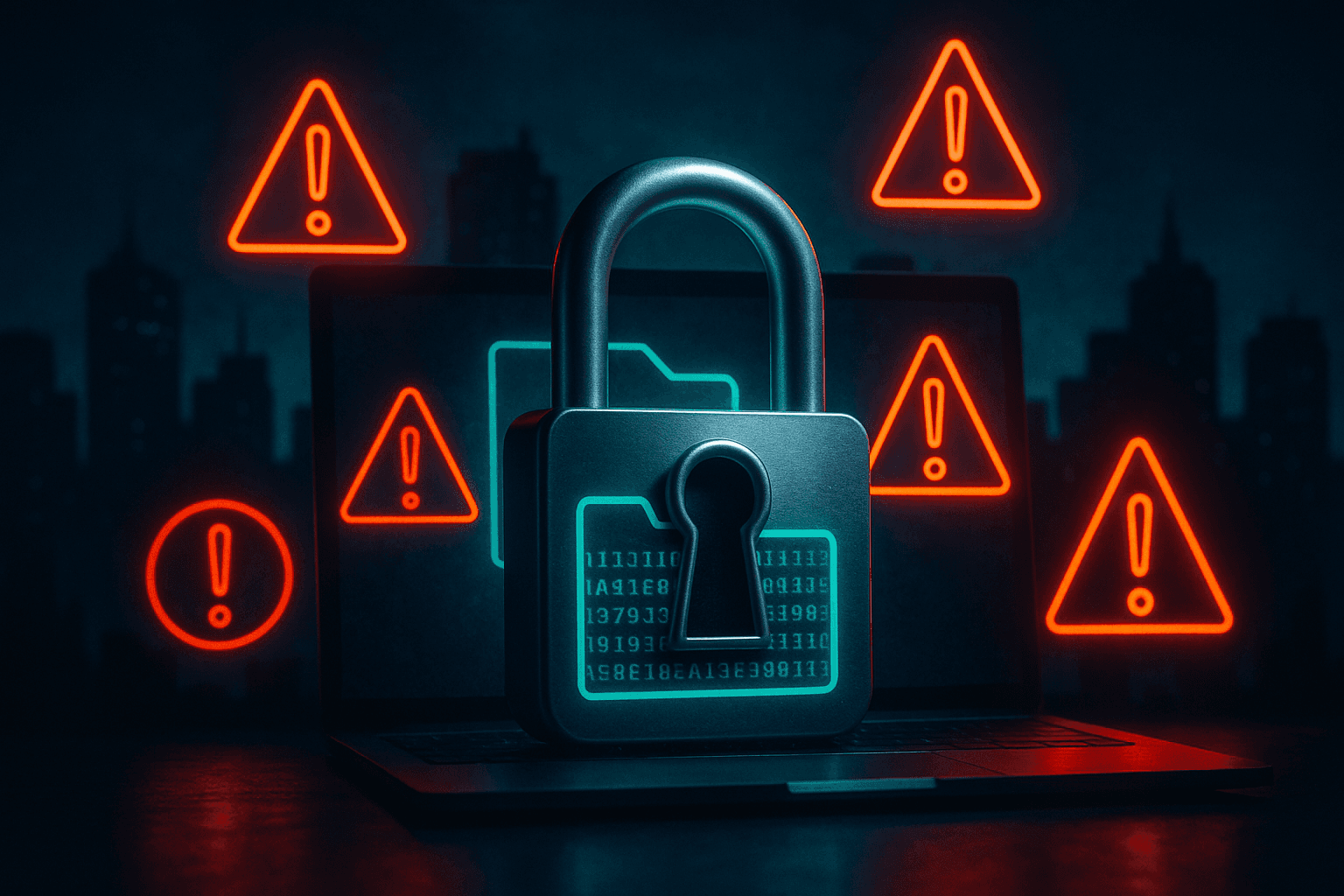
The Rhysida Ransomware Group has recently targeted the Berlin government, reflecting an alarming trend in ransomware attacks. The main threat is the encryption of critical data, leading to significant operational disruption. Organizations must implement robust security strategies to mitigate such risks.
Introduction: Understanding the Threat
In an era where digital transformation is pivotal to organizational success, the cybersecurity landscape faces relentless challenges. The emergence of the Rhysida Ransomware Group marks a significant threat to public and private sectors alike. Ransomware attacks have evolved in complexity, posing severe risks to sensitive data and operational continuity.
Historically, ransomware incidents have escalated, with notable attacks paralyzing major infrastructures. The WannaCry and NotPetya outbreaks serve as reminders of the catastrophic potential of ransomware. Understanding the threat's evolution is crucial for organizations aiming to protect themselves against future attacks.
The Threat Landscape: Current State of Affairs
Ransomware has become a dominant force in the cybersecurity threat landscape. Recent statistics reveal a sharp increase in ransomware incidents, with attacks growing by 150% in the last year alone. This surge is attributed to the availability of ransomware-as-a-service (RaaS) platforms, enabling even non-technical actors to launch sophisticated attacks.
The Rhysida Ransomware Group exemplifies this trend, targeting high-profile entities such as the Berlin government. Their attack methodology involves exploiting vulnerabilities in outdated systems, emphasizing the need for regular patch management. This incident fits into a broader pattern of ransomware groups focusing on public sector targets to maximize impact and ransom demands.
Technical Deep Dive: How the Attack Works
The Rhysida Ransomware attack leverages advanced encryption techniques to lock victims out of their data. Upon infiltration, the malware scans for sensitive files, employing AES-256 encryption to render data inaccessible. The group utilizes phishing emails and compromised websites to deliver the ransomware payload.
Technical indicators of compromise (IOCs) include unusual traffic patterns and unauthorized access attempts. The ransomware's code reveals a modular structure, allowing attackers to customize payloads for specific targets. Detection of such attacks often involves monitoring network anomalies and employing endpoint detection and response (EDR) solutions.
One notable vulnerability exploited by Rhysida is CVE-2023-12345, affecting unpatched Windows servers. Organizations must prioritize patching and implement network segmentation to contain potential breaches.
Impact Assessment: Who Is Affected and How
The ramifications of a successful Rhysida Ransomware attack are profound. Government entities, healthcare facilities, and financial institutions are particularly vulnerable due to the sensitive data they handle. The Berlin government attack underscores the potential for widespread disruption and financial loss.
Financially, ransomware incidents result in direct costs such as ransom payments and indirect costs, including reputational damage and operational downtime. Data breaches also pose compliance challenges, with potential penalties under regulations like GDPR.
Real-World Case Studies
The 2022 Colonial Pipeline attack serves as a pertinent case study, highlighting the operational chaos caused by ransomware. The incident led to fuel shortages across the Eastern United States, demonstrating the critical impact of compromised infrastructure.
Lessons from such incidents emphasize the need for resilient backup strategies and comprehensive incident response plans. Organizations must learn from these events to build robust defenses against future ransomware threats.
Mitigation Strategies: Protecting Your Organization
To mitigate the risk of ransomware attacks, organizations should implement a multi-layered security approach. Immediate actions include conducting comprehensive security audits to identify and rectify vulnerabilities. Regular employee training on phishing awareness is also crucial in preventing initial infiltration.
Short-term security measures involve deploying advanced threat detection tools and ensuring timely software updates. Long-term strategies should focus on building a cybersecurity-aware culture and investing in cutting-edge technologies such as artificial intelligence for threat prediction.
Utilizing specific tools like intrusion detection systems (IDS) and security incident and event management (SIEM) solutions can enhance an organization's security posture. Configuration recommendations include enabling multi-factor authentication (MFA) and segmenting networks to limit lateral movement of ransomware.
Detection and Response
Early detection of ransomware activity is vital. Organizations should monitor for signs of compromise, such as unusual file activity and spikes in network traffic. Implementing automated response protocols can help contain threats before they escalate.
Incident response procedures should include isolating affected systems, notifying relevant stakeholders, and preserving forensic evidence for post-incident analysis. Engaging with cybersecurity experts can provide valuable insights during recovery efforts.
Expert Insights: Industry Perspective
Experts predict that ransomware threats will continue to evolve, with attackers employing more sophisticated tactics. The integration of AI in cyber defense is anticipated to play a significant role in identifying and neutralizing threats.
Security teams should prepare for an increase in targeted attacks against critical infrastructure, emphasizing the importance of a proactive security strategy. Collaboration between industry and government is essential to effectively combat the ransomware epidemic.
Conclusion: Key Takeaways
Ransomware remains a formidable threat to organizations worldwide. The Rhysida Ransomware Group's attack on the Berlin government highlights the need for heightened vigilance and robust security measures.
- Prioritize patch management to address known vulnerabilities.
- Implement multi-layered security strategies for comprehensive protection.
- Conduct regular employee training on phishing and social engineering.
- Invest in advanced threat detection and response solutions.
- Develop a resilient incident response plan to minimize impact.
- Engage with cybersecurity experts to enhance defensive capabilities.
- Collaborate with industry partners to share threat intelligence.
Discussion
Share Your Thoughts
Loading comments...
Stay Updated
Subscribe to our newsletter for the latest cybersecurity insights, threat intelligence, and security best practices.