

Unraveling the Cyberattack on Nichirei: Lessons for Food Industry Security
Analyzing a Major Cyber Incident's Impact and Strategies for Defense
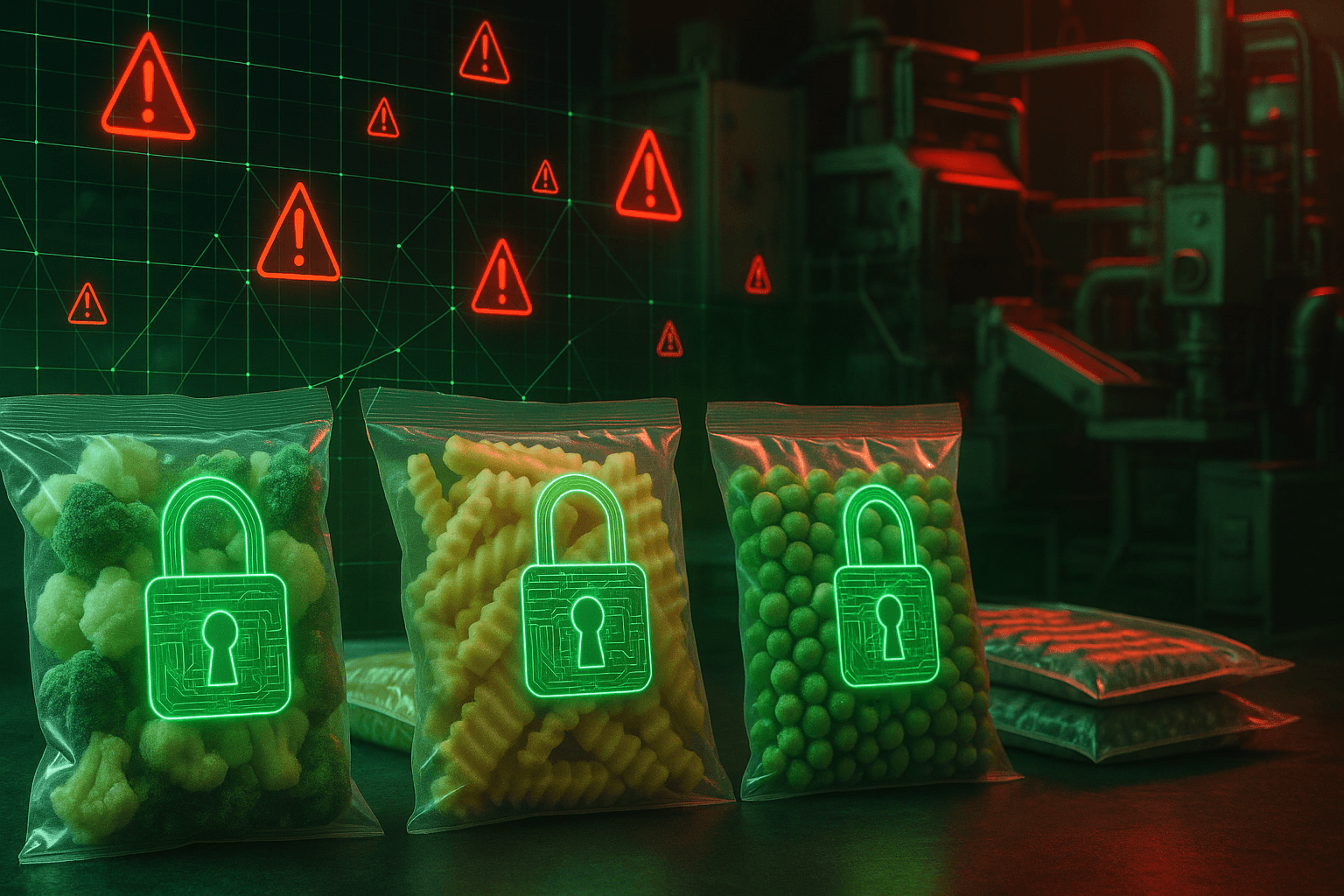
Executive Summary
The recent cyberattack on Nichirei, a prominent Japanese frozen food company, underscores the critical vulnerabilities in the food supply chain. The disruption led to operational halts, emphasizing the need for robust cybersecurity measures. Organizations must prioritize threat intelligence and incident response strategies to safeguard operations.
Introduction: Understanding the Threat
In a world where digital threats loom large, the food industry's reliance on technology makes it vulnerable to cyberattacks. The incident at Nichirei serves as a stark reminder of the potential disruptions such attacks can cause. As businesses increasingly integrate digital solutions, understanding and mitigating cyber threats becomes paramount.
Historically, the food sector has been targeted due to its critical role in daily life. Attacks on supply chains can lead to widespread consequences, affecting not just the companies involved but also consumers and economies. The Nichirei incident is a part of this growing trend, highlighting the urgent need for fortified cybersecurity frameworks.
The Threat Landscape: Current State of Affairs
The cybersecurity landscape is constantly evolving, with threat actors becoming more sophisticated. According to recent industry reports, cyberattacks on supply chains have surged by over 30% in the past year. These attacks are not confined to any single sector, with food industries being increasingly targeted for their perceived vulnerabilities.
Recent incidents, such as the JBS Foods ransomware attack, illustrate the broad impacts of cybersecurity breaches in the food sector. Such disruptions can lead to significant financial losses, operational delays, and reputational damage. As companies like Nichirei face these challenges, understanding the broader threat landscape is crucial for developing effective defenses.
Technical Deep Dive: How the Attack Works
The attack on Nichirei likely involved advanced persistent threats (APTs), characterized by stealthy intrusion techniques. Attack vectors may have included phishing emails or exploiting unpatched vulnerabilities in the company's IT infrastructure. Once inside, attackers could have used malware to disrupt operations and exfiltrate sensitive data.
Technical indicators of compromise (IOCs) include unusual network traffic and unauthorized system access attempts. Organizations should monitor for such IOCs to detect and mitigate similar threats promptly. Employing intrusion detection systems and regular vulnerability assessments can provide early warnings of potential attacks.
Impact Assessment: Who Is Affected and How
The Nichirei attack's immediate impact was operational disruption, affecting production and distribution. The incident highlights the interconnected nature of the food supply chain, where a single breach can ripple across industries. Financial losses are inevitable, with potential long-term effects on market position and stakeholder trust.
Data breaches pose additional risks, especially if sensitive customer or operational data is compromised. Companies must consider regulatory and compliance implications, as jurisdictions worldwide enforce stringent data protection laws. The Nichirei breach serves as a crucial case for compliance adherence and data security enhancements.
Real-World Case Studies
The JBS Foods ransomware attack is a pertinent example, where operations were halted, and a significant ransom was paid to resume activities. These incidents highlight the importance of preparedness and the need for robust cybersecurity frameworks to mitigate and respond to attacks effectively.
Lessons from these cases include the necessity for regular security audits, employee cybersecurity training, and the implementation of advanced threat detection tools. By learning from past incidents, organizations can strengthen their defenses and reduce the likelihood of future breaches.
Mitigation Strategies: Protecting Your Organization
To protect against similar threats, organizations should adopt a multi-layered security approach. Immediate actions include conducting comprehensive risk assessments and updating security protocols. Short-term measures may involve enhancing endpoint security and ensuring all systems are patched and updated.
Long-term strategies focus on building a resilient security culture. This involves continuous employee training, investing in advanced threat intelligence platforms, and developing robust incident response plans. Tools such as intrusion prevention systems and security information and event management (SIEM) solutions can provide valuable insights into potential threats.
Detection and Response
Early detection is critical in mitigating the impact of cyberattacks. Organizations should look for signs of compromise, such as unusual login patterns and unexpected changes in network traffic. Implementing automated monitoring systems can help detect these anomalies in real-time.
Incident response procedures should be clearly defined and regularly practiced. This includes having a dedicated response team, clear communication channels, and predefined roles and responsibilities. Forensic analysis post-incident is essential for understanding attack vectors and improving future defenses.
Expert Insights: Industry Perspective
Experts predict that the threat landscape will continue to evolve, with cybercriminals targeting sectors critical to daily life. The food industry, given its reliance on technology and supply chain complexity, remains a prime target. Security teams must prepare for increasingly sophisticated attacks by adopting proactive threat intelligence and advanced security technologies.
Future trends indicate a rise in AI-driven attacks, requiring organizations to integrate AI-based defenses. The emphasis will be on predictive threat modeling and automated response capabilities to stay ahead of potential threats.
Conclusion: Key Takeaways
The Nichirei cyberattack serves as a wake-up call for the food industry and beyond. Key takeaways include the importance of comprehensive cybersecurity frameworks, regular risk assessments, and a proactive approach to threat intelligence.
- Enhance supply chain security through robust cybersecurity measures.
- Conduct regular security audits and employee training programs.
- Invest in advanced threat detection and incident response tools.
- Monitor for technical indicators of compromise to detect threats early.
- Develop a resilient security culture focused on long-term strategic improvements.
- Prepare for future threats by adopting AI-driven security solutions.
Discussion
Share Your Thoughts
Loading comments...
Stay Updated
Subscribe to our newsletter for the latest cybersecurity insights, threat intelligence, and security best practices.