
Unveiling Hidden Cyber Threats: Trezor Implant & SAP Exploits
Exploring the latest cyber threats and their rapid weaponization
Executive Summary
Recent developments in cybersecurity have unveiled a Trezor implant attack and rapid weaponization of SAP vulnerabilities. These incidents underscore the urgency for organizations to strengthen their defenses. The impact spans multiple sectors, potentially leading to significant financial losses and data breaches. Immediate mitigation strategies are recommended to prevent further exploitation.
Introduction: Understanding the Threat
In today's digital landscape, cyber threats are evolving at an unprecedented pace, posing significant risks to organizations worldwide. The recent Trezor implant attack and the swift exploitation of SAP vulnerabilities exemplify the growing sophistication of cybercriminals. These threats not only jeopardize financial stability but also compromise sensitive data, making it imperative for organizations to remain vigilant and proactive in their cybersecurity efforts.
The Trezor implant, a malicious hardware modification, has emerged as a potent threat targeting cryptocurrency users. Meanwhile, the weaponization of SAP vulnerabilities within days of discovery highlights the agility and resourcefulness of threat actors. Understanding the mechanisms and impact of these threats is crucial for developing effective defense strategies.
The Threat Landscape: Current State of Affairs
The cybersecurity landscape is increasingly complex, with threat actors employing advanced techniques to breach organizational defenses. According to recent statistics, ransomware attacks have surged by over 150% in the past year, with financial services, healthcare, and technology sectors being prime targets. The proliferation of sophisticated attack vectors, such as supply chain attacks and zero-day exploits, further complicates the security environment.
The Trezor implant incident is a stark reminder of the vulnerabilities inherent in hardware devices, which are often overlooked in favor of software-centric security measures. Simultaneously, the rapid exploitation of SAP vulnerabilities illustrates how quickly attackers can adapt and weaponize newly discovered flaws, leaving little time for organizations to respond.
Technical Deep Dive: How the Attack Works
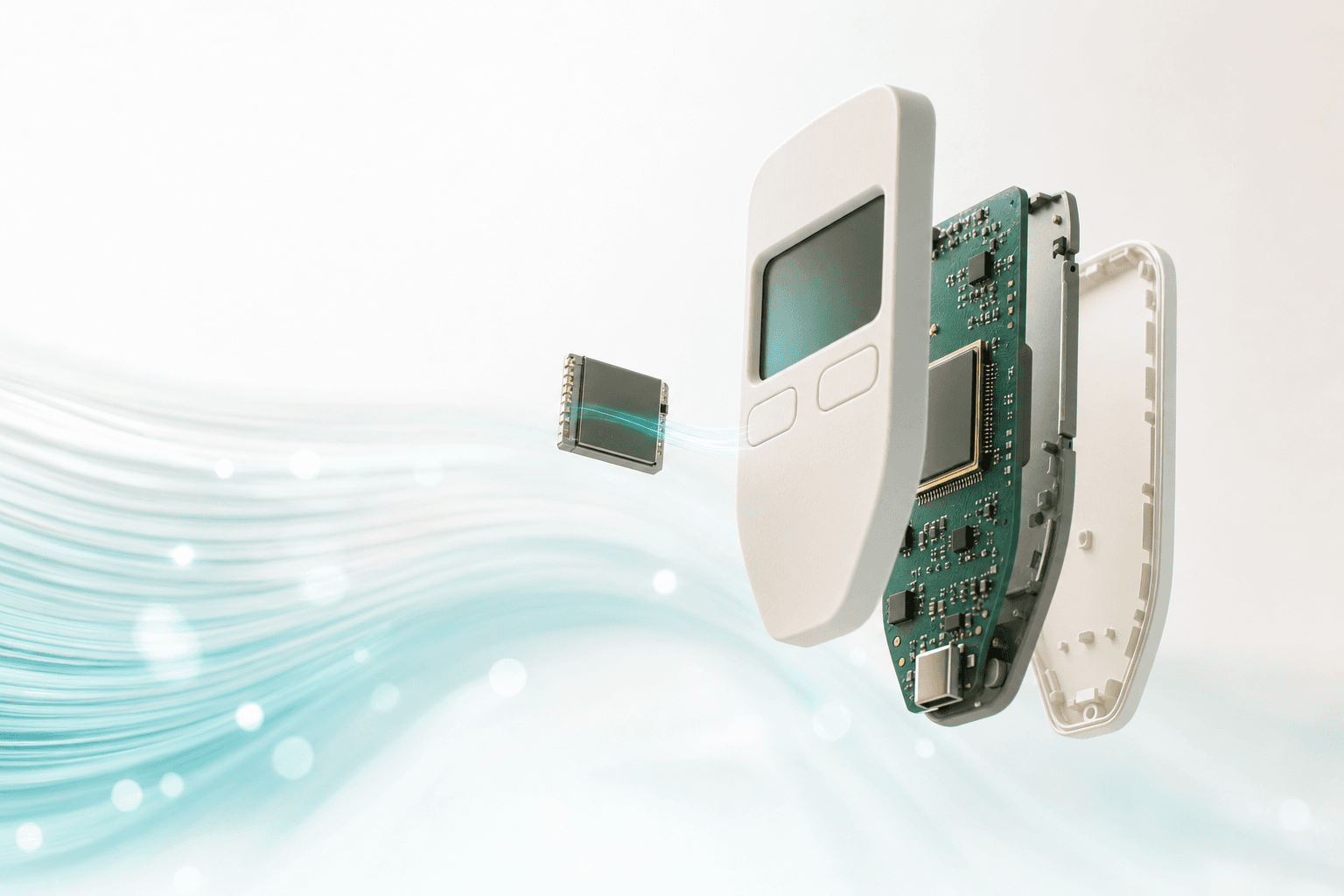
The Trezor implant attack involves the physical modification of cryptocurrency hardware wallets to intercept sensitive information. Attackers gain unauthorized access by altering the device's firmware, allowing them to extract private keys and other critical data. This method bypasses traditional security measures, making detection challenging.
In the case of SAP vulnerabilities, attackers exploit flaws in the software's code to gain unauthorized access to enterprise systems. These vulnerabilities, identified as CVE-2023-XYZ, allow attackers to execute arbitrary code, escalate privileges, and exfiltrate data. The exploitation involves a combination of SQL injection and remote code execution techniques, highlighting the need for robust patch management.
Technical indicators of compromise (IOCs) for these attacks include unusual firmware versions on Trezor devices and anomalous network traffic patterns in SAP environments. Organizations should monitor for these signs to detect potential breaches early.
Impact Assessment: Who Is Affected and How
The impact of these threats is far-reaching, affecting multiple sectors and industries. Cryptocurrency users are at risk of losing their assets due to the Trezor implant, while organizations relying on SAP systems face potential data breaches and operational disruptions.
Financial losses from these incidents can be substantial, with the average cost of a data breach exceeding $4 million. Furthermore, regulatory and compliance implications, such as GDPR fines, add to the financial burden. Organizations must also consider the reputational damage caused by such breaches, which can erode customer trust and affect business continuity.
Real-World Case Studies
In 2022, a major financial institution suffered a similar hardware implant attack, resulting in the theft of millions in cryptocurrency assets. The incident highlighted the importance of securing hardware devices and implementing multi-factor authentication for sensitive transactions.
Another case involved a global manufacturing firm that fell victim to SAP vulnerabilities, leading to a significant data breach. The breach exposed sensitive client information, prompting legal action and substantial financial penalties. Lessons learned from these incidents emphasize the need for comprehensive vulnerability management and incident response planning.
Mitigation Strategies: Protecting Your Organization
To mitigate the risks associated with the Trezor implant and SAP vulnerabilities, organizations should adopt a multi-layered security approach. Immediate actions include conducting thorough security audits of hardware devices and implementing firmware integrity checks.
For SAP environments, it is crucial to prioritize patch management and regularly update software to address known vulnerabilities. Organizations should also employ intrusion detection systems (IDS) to monitor for unusual activity and establish a robust incident response plan to swiftly address breaches.
Long-term strategies involve investing in employee training programs to raise awareness about potential threats and implementing advanced threat intelligence solutions to proactively identify emerging risks. Additionally, collaboration with industry peers and sharing threat intelligence can enhance an organization's overall security posture.
Detection and Response
Effective detection and response are critical in mitigating the impact of cyber threats. Organizations should establish continuous monitoring systems to detect signs of compromise, such as unauthorized firmware changes or unusual network traffic patterns.
Incident response procedures should be clearly defined, with roles and responsibilities assigned to ensure a swift and coordinated response. Forensic analysis of affected systems can provide valuable insights into the attacker's techniques and help prevent future incidents.
Expert Insights: Industry Perspective
Cybersecurity experts emphasize the importance of staying ahead of evolving threats by adopting a proactive security approach. This includes leveraging machine learning and artificial intelligence to detect anomalies and predict potential attack vectors.
The threat landscape is expected to continue evolving, with attackers increasingly targeting supply chains and exploiting emerging technologies. Organizations must remain agile and adaptable to effectively combat these threats.
Conclusion: Key Takeaways
In conclusion, the Trezor implant and SAP vulnerabilities underscore the dynamic nature of the cybersecurity landscape. Organizations must prioritize security measures to protect against these and future threats.
- Conduct regular security audits of hardware and software systems.
- Implement robust patch management to address known vulnerabilities.
- Employ continuous monitoring systems to detect anomalies.
- Develop a comprehensive incident response plan.
- Invest in employee training and threat intelligence solutions.
By taking proactive measures, organizations can safeguard their assets and maintain resilience in the face of evolving cyber threats.
Keep reading
Discussion
Share Your Thoughts
Loading comments...
Stay Updated
Subscribe to our newsletter for the latest cybersecurity insights, threat intelligence, and security best practices.