

Unveiling the Cyber Espionage: Southeast Asia's Critical Systems Under Siege
A comprehensive analysis of the latest cyber threat by a China-linked group
Executive Summary
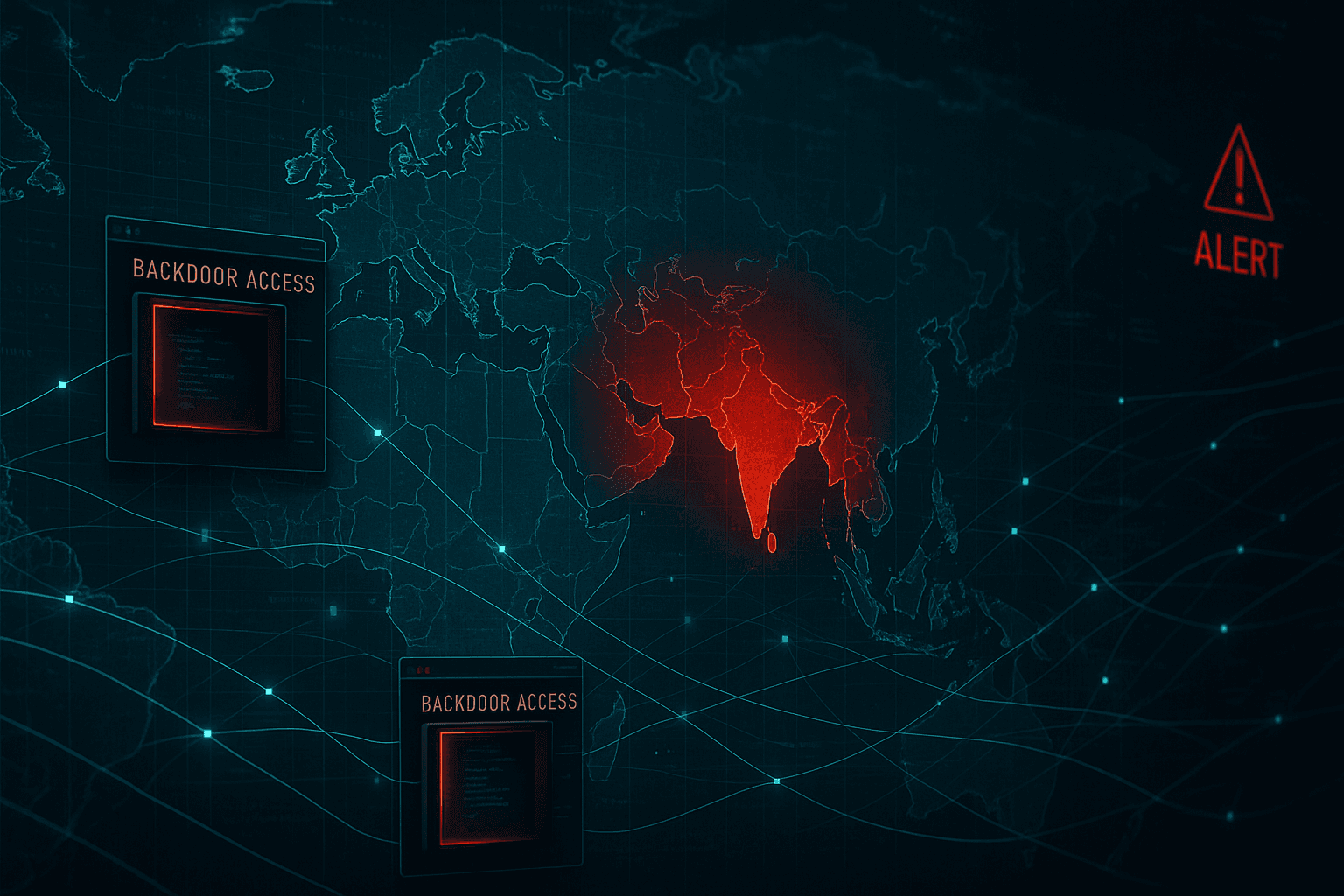
A China-linked cyber espionage group has compromised critical systems in Southeast Asia, targeting at least 10 organizations, including state-owned entities. The attack involves deploying a sophisticated new backdoor. Organizations must strengthen their cyber defenses, focusing on network monitoring and incident response capabilities.
Introduction: Understanding the Threat
In recent months, a China-linked cyber espionage group has launched a series of targeted attacks on critical systems in Southeast Asia. This incident highlights the increasing sophistication of state-sponsored cyber threats, which pose significant risks to national security and economic stability. Organizations must remain vigilant and proactive in their cybersecurity efforts to counter these evolving threats.
Such attacks are not unprecedented. Over the past decade, nation-state actors have increasingly targeted critical infrastructure worldwide, aiming to gather intelligence, disrupt operations, and exert geopolitical influence. The current threat to Southeast Asian organizations is a continuation of this alarming trend.
The Threat Landscape: Current State of Affairs
The global cybersecurity landscape is marked by a growing frequency of state-sponsored attacks. According to recent statistics, nation-state cyber incidents have increased by 30% over the past year, with Asia being a primary target. These attacks often focus on critical sectors such as energy, finance, and government, aiming to exploit vulnerabilities for strategic gains.
In this context, the recent attacks on Southeast Asian organizations fit a broader pattern of cyber espionage activities linked to China. These activities are characterized by their sophistication, persistence, and strategic objectives, often aligning with broader geopolitical interests.
Technical Deep Dive: How the Attack Works
The attack vector employed by the China-linked group involves a complex chain of operations. Initial access is typically gained through spear-phishing campaigns targeting key personnel within the organization. Once inside, the attackers deploy a newly discovered backdoor, designed to maintain long-term access and facilitate data exfiltration.
The backdoor, which exhibits advanced stealth capabilities, evades traditional detection mechanisms by mimicking legitimate system processes. It uses encrypted communication channels to relay information back to the attackers, minimizing the risk of interception. Technical indicators of compromise (IOCs) associated with this backdoor include unusual outbound network traffic, unauthorized access attempts, and modifications to system files.
Researchers have identified specific code snippets indicative of this backdoor's presence. These include obfuscated PowerShell scripts and command-line instructions that initiate the backdoor's operations. Organizations are advised to monitor for these IOCs and implement advanced endpoint detection and response solutions to identify potential breaches.
Impact Assessment: Who Is Affected and How
The affected sectors include state-owned enterprises, financial institutions, and critical infrastructure providers. The attack's impact is multifaceted, encompassing financial losses, operational disruptions, and potential data breaches. Organizations may face regulatory scrutiny and damage to their reputations as a result of these incidents.
Financially, the cost of remediation, coupled with potential fines and legal liabilities, can be significant. Operationally, the disruption of critical services can have cascading effects, impacting supply chains and economic activities.
Real-World Case Studies
A similar attack in 2019 targeted a Southeast Asian energy provider, resulting in prolonged disruptions and substantial economic losses. The lessons learned from this incident emphasize the importance of robust incident response plans and the need for continuous threat intelligence updates to stay ahead of emerging threats.
Mitigation Strategies: Protecting Your Organization
Organizations must adopt a multi-layered security approach to mitigate the risks associated with state-sponsored attacks. Immediate actions include conducting comprehensive security audits, strengthening network segmentation, and implementing strict access controls.
In the short term, enhancing employee awareness through cybersecurity training and phishing simulations can reduce the likelihood of successful initial access attempts. Long-term strategies involve investing in advanced threat detection technologies, such as AI-driven anomaly detection systems, and establishing robust incident response frameworks.
Detection and Response
Effective detection involves monitoring for signs of compromise, such as unusual network activity and unauthorized access attempts. Organizations should implement continuous monitoring solutions and establish clear incident response procedures to address potential breaches swiftly.
Expert Insights: Industry Perspective
Industry experts predict an escalation in state-sponsored cyber activities, driven by geopolitical tensions and the increasing digitization of critical systems. Security teams must prepare for more sophisticated attacks, emphasizing the need for adaptive and resilient cybersecurity strategies.
Conclusion: Key Takeaways
This incident underscores the urgent need for organizations to bolster their cybersecurity defenses against state-sponsored threats. Key takeaways include:
- Conduct regular security assessments and audits.
- Implement advanced threat detection and response capabilities.
- Enhance employee awareness and training programs.
- Establish robust incident response frameworks.
- Invest in continuous threat intelligence and monitoring.
Discussion
Share Your Thoughts
Loading comments...
Stay Updated
Subscribe to our newsletter for the latest cybersecurity insights, threat intelligence, and security best practices.