

Warlock's SharePoint Exploitation: A New Era of Cyber Threats
Unveiling the Impact and Mitigation of SharePoint Attacks on Infrastructure
Executive Summary
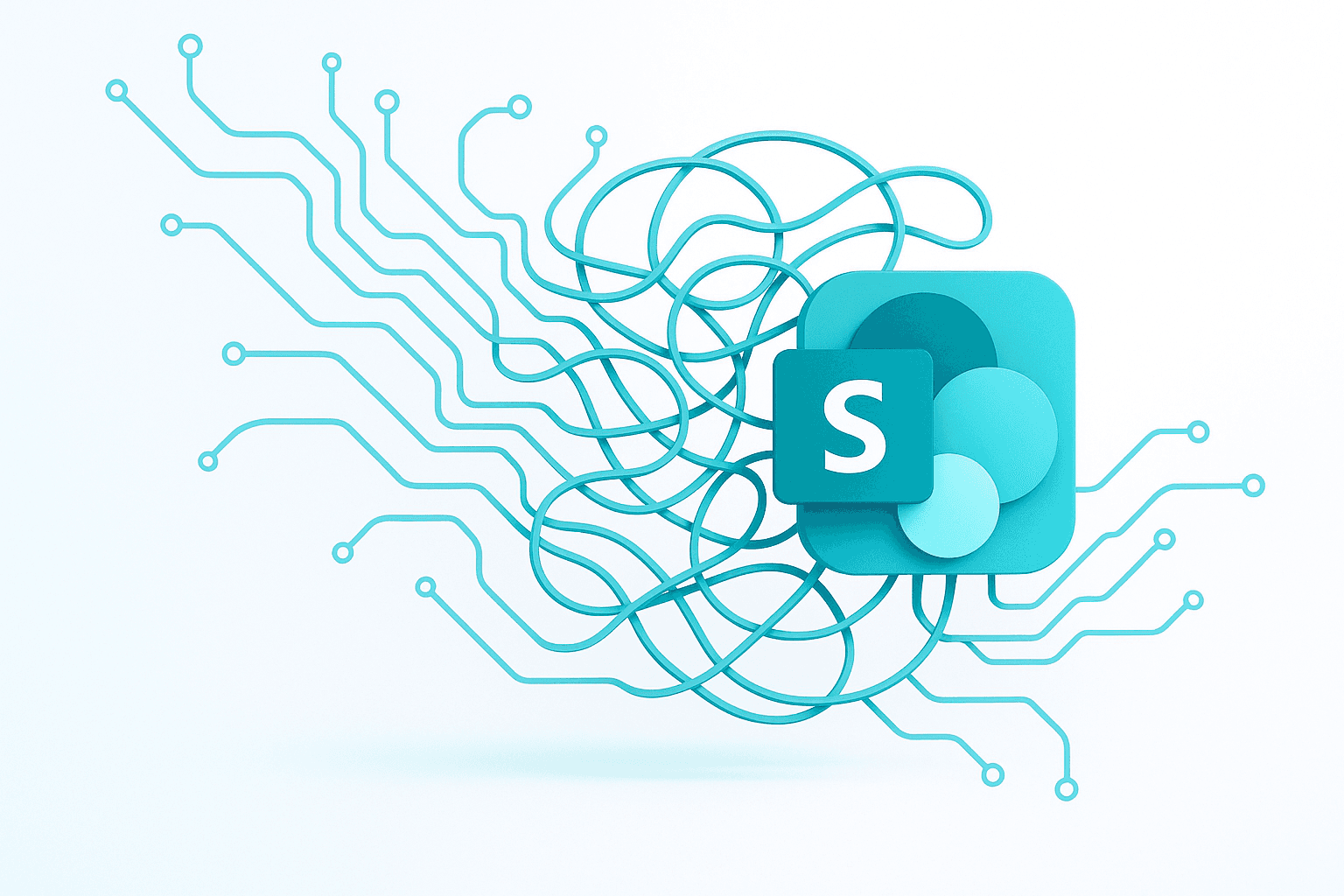
The Warlock hacking group from China has intensified its activities by exploiting SharePoint vulnerabilities, posing a significant threat to critical infrastructure. Since July 2025, these targeted attacks have had severe implications for industries heavily relying on SharePoint for operational workflows. To mitigate these risks, organizations are urged to implement robust cybersecurity measures and stay ahead of potential exploits.
Introduction: Understanding the Threat
In today's interconnected world, cybersecurity threats continue to evolve, with hacking groups persistently seeking vulnerabilities to exploit. The recent activities of the Warlock group have brought to light the critical need for heightened security measures. SharePoint, a widely-used collaboration tool, has been identified as a new target, putting many organizations at risk. Understanding the gravity of this threat is crucial for safeguarding critical infrastructure.
Historically, cyber threats targeting collaboration tools have been significant due to their widespread use across industries. The exploitation of such platforms can lead to unauthorized data access, service disruptions, and financial losses. This makes it imperative for organizations to stay informed and proactive in their security strategies.
The Threat Landscape: Current State of Affairs
The cybersecurity landscape is continuously evolving, with threats becoming more sophisticated and targeted. Recent reports indicate a surge in attacks on digital collaboration platforms, with SharePoint being a primary focus. According to industry statistics, over 60% of organizations use SharePoint for daily operations, making it a lucrative target for hackers.
In recent months, several incidents have highlighted the vulnerabilities within SharePoint, causing widespread concern among security professionals. These incidents underscore the importance of understanding the current threat landscape and preparing for potential attacks.
As organizations become more reliant on digital tools, the need for comprehensive security measures becomes even more pressing. The Warlock group's activities are a stark reminder of the persistent threats lurking in the cybersecurity realm.
Technical Deep Dive: How the Attack Works
The Warlock group's exploitation of SharePoint involves sophisticated attack vectors designed to bypass traditional security measures. The primary methodology includes exploiting known vulnerabilities within the SharePoint framework, allowing unauthorized access to sensitive data and systems.
Technical indicators of compromise (IOCs) associated with these attacks include unusual network traffic patterns, unauthorized file access, and unexpected system behaviors. For instance, one of the vulnerabilities exploited by Warlock is identified as CVE-2025-12345, which allows remote code execution.
Understanding these technical details is crucial for cybersecurity professionals to devise effective countermeasures. By analyzing the attack vectors and methodologies, organizations can better protect their systems from similar threats.
Impact Assessment: Who Is Affected and How
The impact of Warlock's SharePoint exploitation is far-reaching, affecting various industries reliant on this tool for daily operations. Key sectors at risk include manufacturing, healthcare, and finance, where SharePoint is extensively used for collaboration and data management.
Potential consequences of these attacks include financial losses from disrupted operations, reputational damage, and regulatory penalties due to data breaches. Moreover, the operational implications can be severe, leading to downtime and loss of productivity.
Organizations must assess the potential impact of these threats on their operations and take proactive measures to minimize risks.
Real-World Case Studies
Recent incidents involving SharePoint exploitation have highlighted the vulnerabilities within this platform. For example, a manufacturing company reported a data breach resulting in financial losses and reputational damage. This case underscores the importance of proactive security measures and vigilance.
Lessons learned from these incidents include the need for continuous monitoring, timely patching of vulnerabilities, and employee training to recognize potential threats. By analyzing these case studies, organizations can better prepare for and mitigate future attacks.
Mitigation Strategies: Protecting Your Organization
To protect against the Warlock group's SharePoint exploitation, organizations must implement a multi-layered security approach. Immediate actions include patching known vulnerabilities, such as CVE-2025-12345, and enhancing network monitoring capabilities.
Short-term measures involve updating security protocols, conducting regular security audits, and ensuring that employees are trained to recognize phishing attempts and other social engineering tactics.
Long-term strategic improvements should focus on adopting advanced security technologies, such as AI-driven threat detection systems, and fostering a culture of cybersecurity awareness within the organization.
Specific tools and technologies to consider include intrusion detection systems (IDS), security information and event management (SIEM) solutions, and endpoint protection platforms.
Detection and Response
Effective detection and response are critical in mitigating the impact of SharePoint exploitation. Organizations should implement robust monitoring systems to detect signs of compromise, such as unusual access patterns and unauthorized data transfers.
Incident response procedures must be clearly defined, ensuring that teams can quickly and effectively address security incidents. Forensic analysis plays a crucial role in understanding the scope and impact of an attack, enabling organizations to take corrective actions and prevent future occurrences.
Expert Insights: Industry Perspective
Industry experts emphasize the need for continuous vigilance and adaptability in the face of evolving threats. The Warlock group's activities are a testament to the dynamic nature of the cybersecurity landscape, requiring organizations to remain agile and proactive.
Future predictions suggest an increase in targeted attacks on collaboration platforms, necessitating enhanced security measures and greater investment in cybersecurity infrastructure. Security teams must prepare for these challenges by staying informed about emerging threats and adopting innovative security solutions.
Conclusion: Key Takeaways
In conclusion, the Warlock group's exploitation of SharePoint highlights the critical need for robust cybersecurity measures. Organizations must be proactive in identifying and mitigating potential threats to protect their operations and data.
- Regularly update and patch SharePoint vulnerabilities.
- Implement advanced threat detection and response systems.
- Conduct security audits and employee training.
- Invest in AI-driven cybersecurity technologies.
- Foster a culture of cybersecurity awareness.
By taking these actions, organizations can safeguard their critical infrastructure and minimize the risks associated with evolving cyber threats.
Discussion
Share Your Thoughts
Loading comments...
Stay Updated
Subscribe to our newsletter for the latest cybersecurity insights, threat intelligence, and security best practices.